 EN
EN


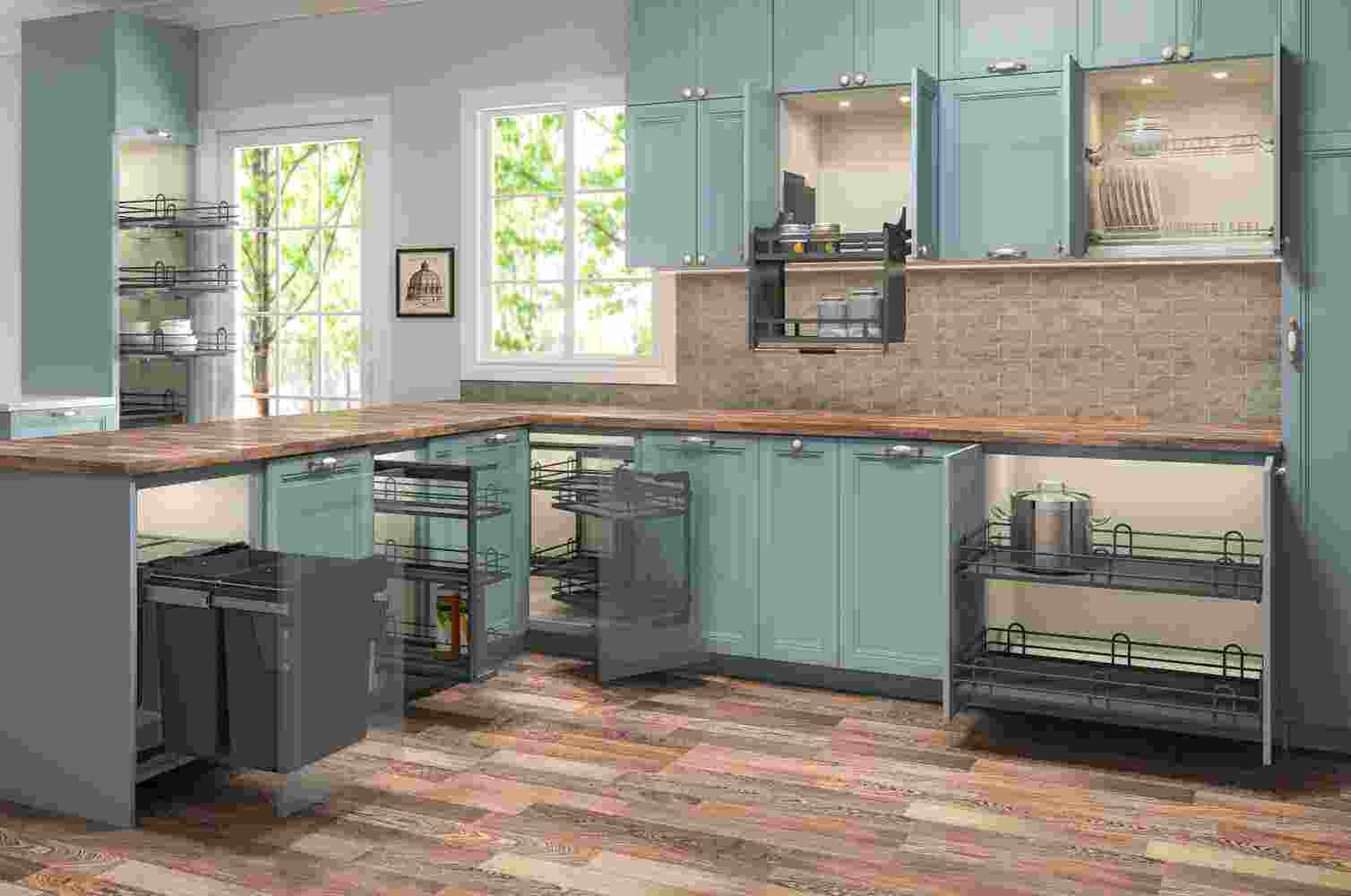
Finding the right pantry organizer can transform your kitchen from chaotic to streamlined, making meal preparation more efficient and enjoyable. A well-designed pantry organizer system maximizes storage space while keeping essentials easily accessible and visible. Whether you're dealing with a small closet pantry or a spacious walk-in storage area, selecting the perfect organizational solution requires careful consideration of your specific needs, available space, and storage habits.
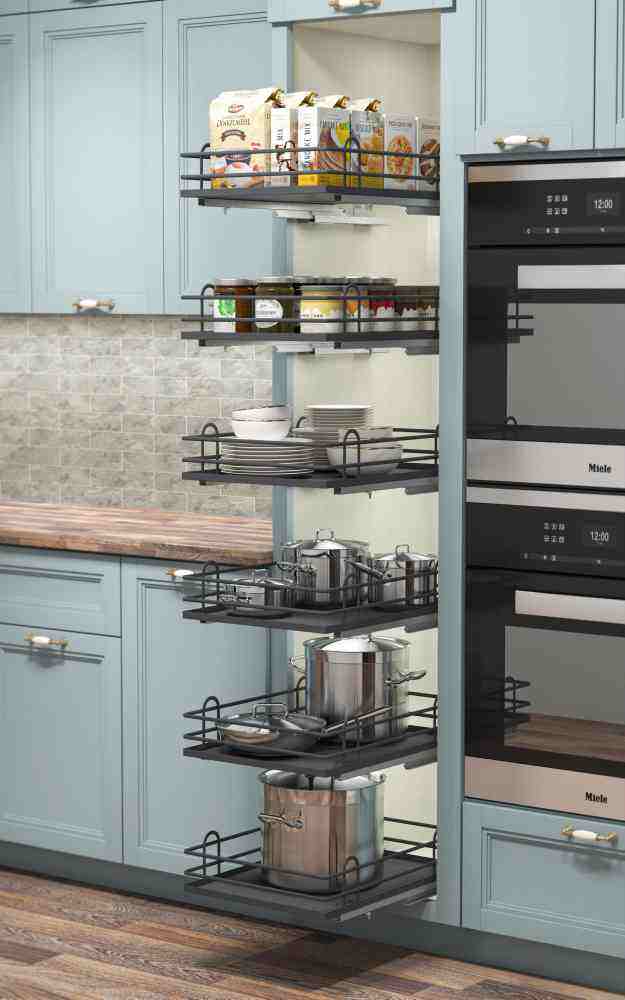
Modern pantry storage solutions have evolved far beyond simple shelving units. Today's pantry organizer options include rotating systems, pull-out drawers, adjustable shelving, and modular components that can be customized to fit virtually any space configuration. Understanding the various types available helps homeowners make informed decisions that will serve their household for years to come.
Understanding Different Types of Pantry Storage Solutions
Traditional Fixed Shelving Systems
Fixed shelving remains one of the most common pantry organizer approaches, offering reliable storage at affordable price points. These systems typically feature adjustable shelf heights to accommodate items of varying sizes, from tall cereal boxes to small spice containers. Wire shelving provides excellent ventilation and visibility, while solid wood or laminate shelves offer a more finished appearance that complements kitchen cabinetry.
The primary advantage of fixed shelving lies in its stability and load-bearing capacity. Heavy items like bulk flour bags or large appliances can be safely stored without concern for mechanical failure. However, accessing items stored in the back of deep shelves can be challenging, particularly in narrow pantry spaces where reaching becomes difficult.
Pull-Out Drawer Systems
Pull-out drawer systems represent a significant advancement in pantry organizer design, bringing stored items to the user rather than requiring them to reach into deep spaces. These systems feature full-extension drawer slides that allow complete access to the entire storage area. Soft-close mechanisms prevent slamming while heavy-duty construction supports substantial weight loads.
The ergonomic benefits of pull-out systems cannot be overstated. Users can easily see and access items stored in the back without moving front items or straining to reach. This accessibility makes inventory management simpler and reduces the likelihood of forgotten items expiring unused. Installation typically requires more investment than fixed shelving but provides long-term convenience benefits.
Rotating Storage Units
Rotating pantry organizer units maximize storage efficiency by utilizing corner spaces and providing 360-degree access to stored items. These innovative systems often feature multiple tiers of circular shelving that rotate smoothly on ball-bearing mechanisms. The pantry organizer design eliminates dead space in corners while making every stored item easily reachable.
Many rotating systems include adjustable shelf spacing and removable components for easy cleaning and maintenance. The rotating mechanism allows users to bring desired items to the front with minimal effort, making them particularly beneficial for individuals with mobility limitations or back problems. Weight distribution across the rotating platform ensures smooth operation even when fully loaded.
Assessing Your Pantry Space and Requirements
Measuring and Planning Your Storage Area
Accurate measurements form the foundation of any successful pantry organizer installation. Begin by measuring the interior dimensions of your pantry space, including width, depth, and height. Note any architectural features such as electrical outlets, light switches, or structural elements that might affect installation. Consider door swing patterns and minimum clearance requirements for comfortable access.
Creating a scaled drawing or using digital planning tools helps visualize how different pantry organizer options will fit within your space. Account for the thickness of shelving materials and any required clearances between moving parts. Professional installers often recommend leaving at least two inches of clearance around rotating or sliding components to ensure proper operation.
Inventory Analysis and Storage Needs
Understanding what you need to store determines the optimal pantry organizer configuration for your household. Conduct a thorough inventory of your typical pantry contents, categorizing items by size, weight, and frequency of use. Heavy items like canned goods require sturdy shelving with appropriate weight ratings, while lightweight items like pasta boxes can utilize thinner shelving materials.
Consider your family's shopping and cooking patterns when selecting a pantry organizer system. Bulk buyers need deeper storage areas and higher weight capacities, while frequent shoppers might prefer smaller, more accessible compartments. Specialty items like wine bottles, small appliances, or cleaning supplies may require dedicated storage solutions within the overall system.
Key Features to Consider When Selecting Systems
Material Quality and Durability
The materials used in pantry organizer construction directly impact longevity and performance. High-quality steel wire shelving resists corrosion and supports heavy loads while providing excellent ventilation. Powder-coated finishes offer additional protection against moisture and scratching. Solid wood shelving provides aesthetic appeal but requires proper sealing to prevent warping in humid environments.
Hardware components deserve equal attention when evaluating pantry organizer quality. Ball-bearing drawer slides operate more smoothly and last longer than plastic alternatives. Adjustable shelf brackets should lock securely without slipping under load. Rotating mechanisms require precision manufacturing to maintain smooth operation over years of use.
Accessibility and Ergonomic Considerations
The best pantry organizer systems prioritize user comfort and accessibility. Shelf heights should accommodate the primary users without requiring excessive reaching or bending. Items used most frequently should be positioned at eye level or within easy reach. Consider the needs of all family members, including children and elderly individuals who may have different accessibility requirements.
Lighting integration enhances functionality in many pantry organizer installations. LED strip lighting under shelves illuminates stored items and makes identification easier. Motion sensors can automatically activate lighting when the pantry door opens, providing hands-free operation. Battery-powered options eliminate the need for electrical modifications in existing spaces.
Installation Considerations and Professional Services
DIY Installation Capabilities
Many pantry organizer systems are designed for homeowner installation using basic tools and clear instructions. Simple shelving units typically require only a drill, level, and screwdriver for assembly and mounting. Manufacturers often provide detailed installation guides, video tutorials, and customer support to assist with the process.
However, complex systems involving electrical components, heavy rotating mechanisms, or structural modifications may exceed typical DIY capabilities. Assess your skill level honestly and consider the potential costs of mistakes when deciding between professional installation and self-installation of your pantry organizer system.
Professional Installation Benefits
Professional installers bring expertise in measuring, planning, and executing pantry organizer installations efficiently and correctly. They understand building codes, structural requirements, and best practices that ensure safe and reliable operation. Many professionals also offer warranties on their installation work, providing peace of mind beyond manufacturer guarantees.
Experienced installers can often suggest modifications or improvements that enhance the functionality of your pantry organizer system. They may identify structural issues that need addressing or recommend complementary accessories that improve overall performance. The time saved through professional installation often justifies the additional cost, particularly for complex systems.
Maintenance and Long-term Care
Regular Cleaning and Upkeep
Proper maintenance extends the life and performance of any pantry organizer system. Regular cleaning prevents the accumulation of dust, crumbs, and spills that can interfere with moving parts or create unsanitary conditions. Wire shelving cleans easily with soap and water, while wood surfaces may require specialized cleaners to maintain their finish.
Moving components require periodic lubrication to maintain smooth operation. Drawer slides benefit from light oil application every six months, while rotating mechanisms may need bearing grease annually. Following manufacturer maintenance recommendations prevents premature wear and ensures your pantry organizer continues operating as designed.
Troubleshooting Common Issues
Most pantry organizer problems stem from overloading, improper installation, or lack of maintenance. Drawers that stick or bind often indicate overloading or misalignment that can be corrected by redistributing weight or adjusting mounting hardware. Rotating systems that operate roughly may need cleaning and lubrication of bearing surfaces.
Shelf sagging typically results from exceeding weight limits or inadequate support brackets. Adding additional support points or upgrading to heavier-duty hardware resolves most sagging issues. Keep manufacturer contact information and warranty documents accessible for addressing more complex problems that may require professional attention or replacement parts for your pantry organizer.
FAQ
What is the ideal height for pantry organizer shelves
The optimal shelf height in a pantry organizer system depends on the items being stored and the users' heights. Most frequently used items should be positioned between 30 and 60 inches from the floor for easy access without reaching or bending. Adjustable shelving allows customization based on your specific needs and can be reconfigured as storage requirements change over time.
How much weight can typical pantry organizer systems support
Weight capacity varies significantly among different pantry organizer types and quality levels. Basic wire shelving typically supports 50-75 pounds per linear foot, while heavy-duty systems can handle 100+ pounds. Rotating units generally have lower weight limits due to mechanical constraints, usually ranging from 20-40 pounds per shelf. Always check manufacturer specifications and avoid exceeding recommended limits.
Can pantry organizer systems be installed in non-standard spaces
Modern pantry organizer systems offer extensive customization options for unusual spaces. Slanted ceilings, irregular walls, and corner installations can typically be accommodated with adjustable components and custom mounting hardware. Many manufacturers offer made-to-measure services for challenging installations, ensuring optimal fit and functionality in unique spaces.
How long do quality pantry organizer systems typically last
Well-constructed pantry organizer systems with proper maintenance can last 15-20 years or more. The lifespan depends on material quality, usage intensity, and maintenance practices. Steel and high-quality engineered wood components generally outlast plastic alternatives. Moving parts like drawer slides and rotating mechanisms may require replacement before the overall system, typically after 10-15 years of regular use.