 EN
EN


Proper lift basket maintenance is crucial for ensuring the longevity and optimal performance of your kitchen storage solutions. These innovative storage systems require regular attention to maintain their smooth operation and prevent costly repairs. Understanding the fundamentals of lift basket maintenance helps homeowners and professionals alike maximize their investment while ensuring safe and reliable functionality for years to come.
Understanding Your Lift Basket System
Components and Mechanisms
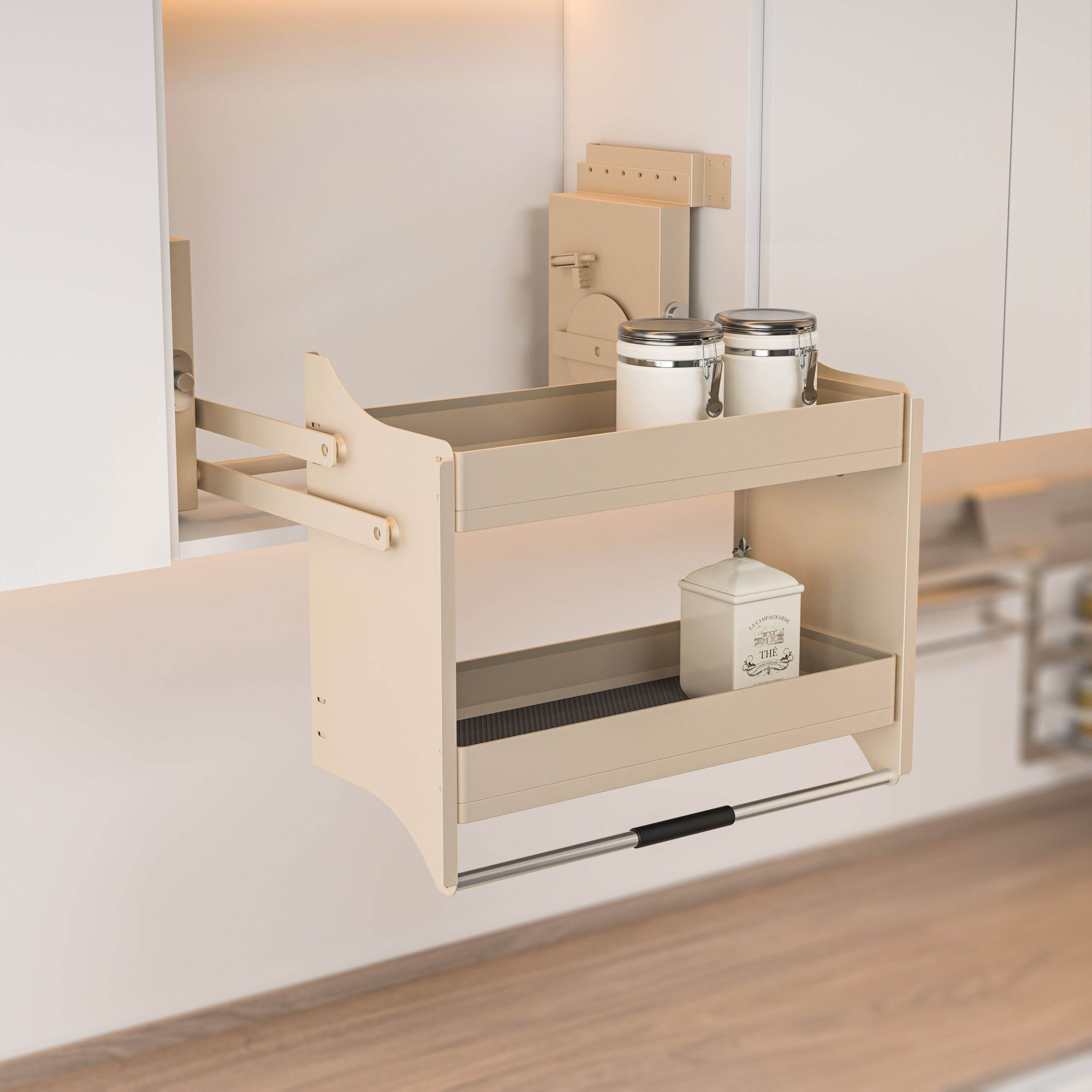
Modern lift basket systems incorporate sophisticated gas lift mechanisms that enable smooth vertical movement within cabinet spaces. These systems typically feature adjustable gas springs, precision-engineered mounting brackets, and durable basket frames constructed from high-quality materials. The gas lift mechanism provides controlled resistance during both lifting and lowering operations, making heavy items easily accessible while maintaining stability throughout the movement cycle.
The mounting system plays a critical role in overall performance, requiring precise installation and regular inspection to maintain proper alignment. Side-mount configurations offer excellent stability and weight distribution, while the wooden base components provide both aesthetic appeal and structural integrity. Understanding these interconnected elements is essential for effective lift basket maintenance practices.
Common Wear Patterns
Regular usage patterns create predictable wear points that require monitoring during routine lift basket maintenance checks. Gas cylinders experience gradual pressure loss over time, resulting in reduced lifting assistance and potential operational difficulties. Mounting hardware may develop looseness due to repeated stress cycles, while pivot points and sliding mechanisms accumulate debris that can impair smooth operation.
Environmental factors such as humidity and temperature fluctuations also contribute to component degradation. Metal components may develop surface oxidation, while wooden elements can expand or contract, affecting overall system alignment. Recognizing these wear patterns enables proactive maintenance approaches that prevent minor issues from developing into major problems.
Daily Care and Cleaning Procedures
Surface Cleaning Techniques
Implementing consistent cleaning routines forms the foundation of effective lift basket maintenance programs. Begin by removing all stored items and wiping down basket surfaces using appropriate cleaning solutions that won't damage protective finishes. Mild soap solutions work effectively for most applications, while specialized cleaners may be necessary for stubborn stains or accumulated grease.
Pay particular attention to pivot points and sliding tracks where debris commonly accumulates during normal usage. Use soft-bristled brushes to remove particles from hard-to-reach areas, ensuring that cleaning solutions don't penetrate sensitive mechanical components. Thorough drying prevents moisture-related issues that could compromise system integrity over time.
Lubrication and Movement Testing
Proper lubrication schedules are integral to comprehensive lift basket maintenance protocols. Apply appropriate lubricants to moving parts according to manufacturer specifications, focusing on pivot points, sliding tracks, and adjustment mechanisms. Avoid over-lubrication, which can attract dirt and debris that may impair operation.
Regular movement testing helps identify developing issues before they become problematic. Operate the system through its full range of motion, noting any irregularities in movement patterns or unusual sounds that might indicate component wear. Document these observations to track system performance over time and identify maintenance trends.
Preventive Maintenance Strategies
Scheduled Inspection Protocols
Establishing systematic inspection schedules maximizes the effectiveness of your lift basket maintenance efforts. Monthly visual inspections should focus on obvious wear signs, loose fasteners, and operational smoothness. Quarterly detailed examinations involve more thorough component checks, including gas cylinder pressure assessment and mounting hardware torque verification.
Annual comprehensive evaluations provide opportunities for complete system overhauls, including replacement of wear components and recalibration of adjustment mechanisms. These scheduled protocols help identify potential issues early, reducing the likelihood of unexpected failures and extending overall system lifespan through proactive care.
Load Management and Usage Guidelines
Proper load management significantly impacts the longevity of lift basket systems and reduces maintenance requirements. Adhering to manufacturer weight specifications prevents excessive stress on gas cylinders and mounting hardware. Distribute loads evenly across basket surfaces to maintain balance and reduce uneven wear patterns that could compromise system stability.
Educating users about proper loading techniques and weight limitations helps prevent damage from improper usage. Avoid sudden loading or unloading that creates shock loads on system components. These practices, combined with regular lift basket maintenance, ensure optimal performance and extended service life.
Troubleshooting Common Issues
Gas Cylinder Performance Problems
Gas cylinder issues represent the most common challenges encountered during lift basket maintenance procedures. Reduced lifting assistance typically indicates pressure loss within the gas cylinder, requiring professional attention or component replacement. Jerky or uneven movement patterns may suggest internal seal degradation or contamination within the cylinder mechanism.
Temperature-related performance variations are normal but may become more pronounced as cylinders age. Cold temperatures can reduce gas pressure temporarily, while excessive heat may cause over-pressurization. Monitor these variations during routine lift basket maintenance activities to distinguish between normal behavior and developing problems.
Alignment and Mounting Concerns
Mounting system problems often manifest as binding, uneven movement, or visible misalignment during operation. Loose fasteners can allow components to shift position, creating stress concentrations that accelerate wear. Regular torque checks on mounting hardware help maintain proper alignment and prevent progressive loosening that could lead to system failure.
Cabinet settling or structural changes may affect mounting point alignment over time. These issues require careful assessment during lift basket maintenance inspections to determine whether adjustment or remounting is necessary. Professional evaluation may be required for complex alignment problems that exceed basic maintenance capabilities.
Professional Service and Repair
When to Seek Expert Help
Recognizing the limitations of routine lift basket maintenance helps determine when professional service becomes necessary. Complex mechanical problems, gas cylinder replacement, and major alignment issues typically require specialized tools and expertise beyond basic maintenance capabilities. Safety considerations also dictate professional involvement when structural modifications or electrical connections are involved.
Persistent operational problems that don't respond to standard maintenance procedures warrant professional diagnosis. Expert technicians can identify underlying issues that might not be apparent during routine inspections, providing targeted solutions that restore optimal performance while preventing recurring problems.
Warranty and Service Considerations
Understanding warranty terms helps optimize both maintenance approaches and repair decisions. Many manufacturers require adherence to specific maintenance protocols to maintain warranty coverage. Document all lift basket maintenance activities to demonstrate compliance with warranty requirements and support potential warranty claims.
Professional service providers often offer comprehensive maintenance packages that include regular inspections, preventive care, and priority repair services. These programs can provide cost-effective solutions for multiple installations or commercial applications where system downtime creates significant inconvenience.
Long-Term Care and Replacement Planning
Lifecycle Management
Effective lift basket maintenance extends beyond immediate care to encompass long-term lifecycle management strategies. Tracking system performance over time helps predict replacement needs and budget for future upgrades. Regular maintenance documentation provides valuable data for making informed decisions about repair versus replacement as systems age.
Component replacement scheduling allows for proactive updates before failures occur. Gas cylinders, mounting hardware, and wear-prone components can be replaced during planned maintenance windows, minimizing disruption and ensuring continued reliable operation. This approach often proves more cost-effective than reactive repairs following unexpected failures.
Upgrade Opportunities
Technological advances in lift basket design may offer opportunities for enhanced functionality during major maintenance cycles. Improved gas cylinder designs, enhanced mounting systems, and upgraded materials can provide better performance and reduced maintenance requirements. Evaluating these opportunities during routine lift basket maintenance helps optimize long-term value.
Compatibility considerations become important when planning upgrades to existing installations. Professional consultation ensures that new components integrate properly with existing systems while maintaining safety and performance standards. Strategic upgrade planning maximizes the benefits of technological improvements while minimizing installation complexity.
FAQ
How often should lift basket maintenance be performed
Regular lift basket maintenance should be performed monthly for basic cleaning and visual inspections, with more comprehensive quarterly checks for mechanical components and annual professional evaluations for complex systems. High-usage installations may require more frequent attention, while residential applications often follow standard schedules successfully.
What are the signs that gas cylinders need replacement
Common indicators include reduced lifting assistance, jerky or uneven movement, visible fluid leakage, and failure to maintain position when loaded. These symptoms typically develop gradually, making regular lift basket maintenance inspections essential for early detection and timely replacement planning.
Can homeowners perform their own lift basket maintenance
Basic lift basket maintenance tasks such as cleaning, lubrication, and visual inspections can be safely performed by homeowners following manufacturer guidelines. However, gas cylinder replacement, major adjustments, and structural repairs should be handled by qualified professionals to ensure safety and maintain warranty coverage.
What tools are needed for routine maintenance
Essential tools for lift basket maintenance include appropriate cleaning supplies, food-grade lubricants, soft brushes for debris removal, and basic hand tools for fastener checks. Avoid harsh chemicals or excessive force that could damage sensitive components during maintenance procedures.