 EN
EN
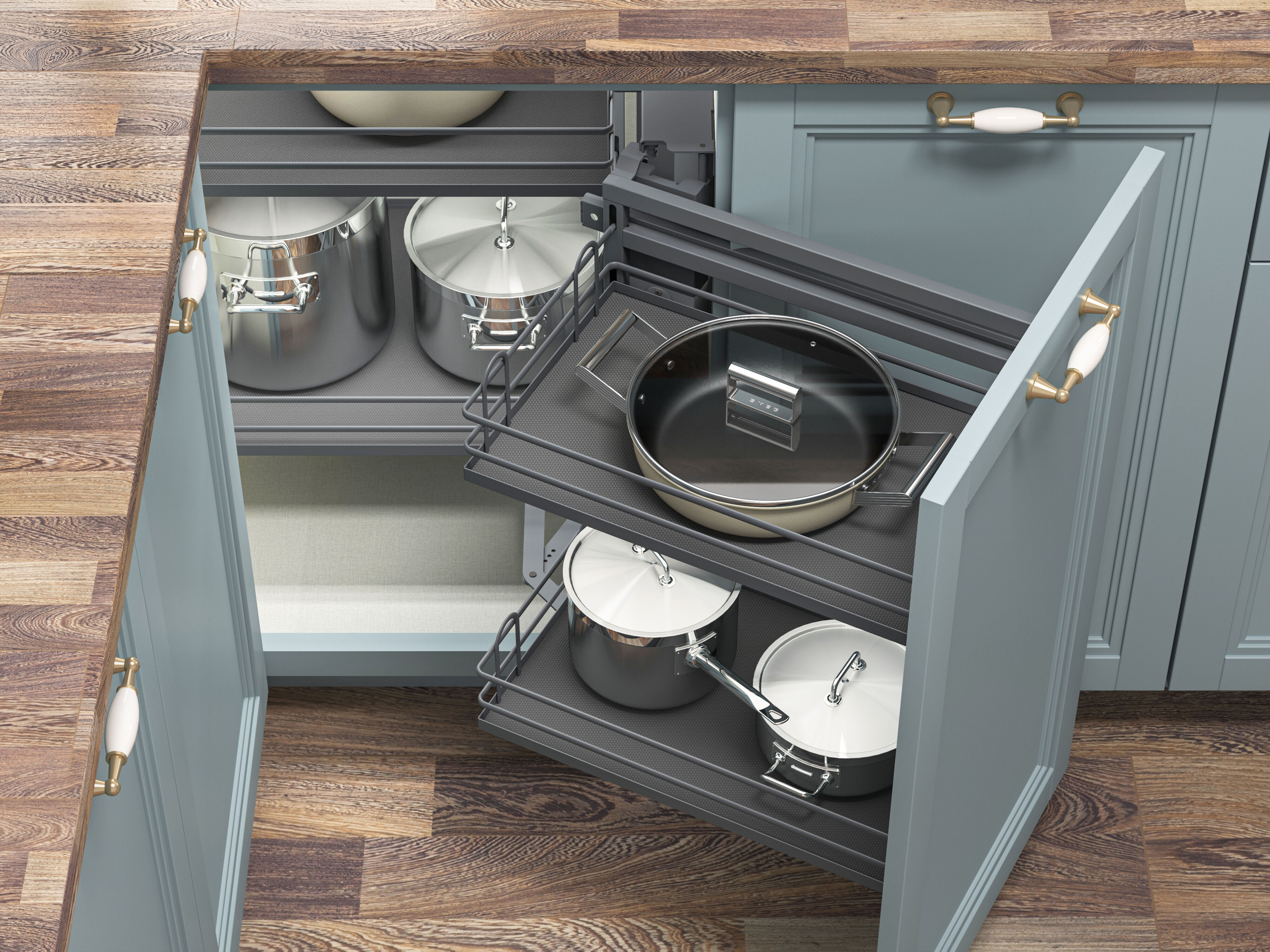
Kitchen storage optimization remains a critical challenge for homeowners and designers alike, particularly when dealing with corner spaces that traditionally create awkward and often underutilized areas. The magic corner solution has emerged as an innovative approach to maximize storage efficiency in these challenging spaces, offering significant advantages over conventional cabinet configurations. Understanding the differences between magic corner systems and traditional corner cabinets can help homeowners make informed decisions that enhance both functionality and accessibility in their kitchen designs.
Understanding Magic Corner Technology
Revolutionary Storage Mechanisms
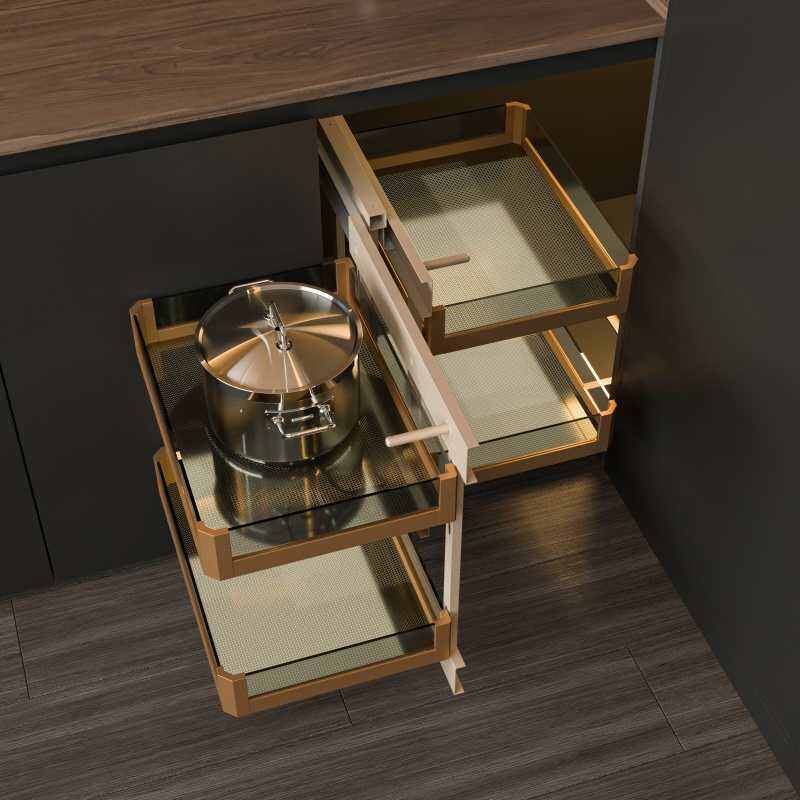
The magic corner represents a sophisticated engineering solution designed to transform previously inaccessible corner spaces into highly functional storage areas. This innovative system utilizes specialized hardware that allows cabinet contents to swing out smoothly, bringing items stored in the deepest recesses of corner cabinets within easy reach. The mechanism typically features multiple tiers of shelving that rotate and extend simultaneously, creating a seamless user experience that eliminates the need to crawl into cabinets or strain to reach items stored in back corners.
Modern magic corner systems incorporate precision-engineered components including soft-close mechanisms, adjustable shelving platforms, and robust mounting systems that ensure long-term reliability. The hardware components are typically manufactured from high-quality materials such as stainless steel and reinforced polymers, designed to withstand frequent use while maintaining smooth operation. These systems can accommodate substantial weight loads, making them suitable for storing everything from lightweight pantry items to heavy cookware and small appliances.
Installation and Configuration Options
Professional installation of magic corner systems requires precise measurements and careful attention to cabinet construction details to ensure optimal performance. The installation process typically involves mounting specialized hardware to cabinet walls and door frames, with particular attention paid to alignment and clearance requirements. Most magic corner systems offer adjustable components that can be fine-tuned during installation to accommodate variations in cabinet construction and ensure smooth operation.
Configuration flexibility represents another significant advantage of magic corner technology, with manufacturers offering various shelf configurations, weight capacities, and door mounting options to suit different kitchen layouts and storage requirements. Some systems feature removable baskets or bins that can be customized based on specific storage needs, while others incorporate specialized compartments designed for particular types of kitchen items such as cleaning supplies, small appliances, or bulk pantry goods.
Traditional Corner Cabinet Limitations
Accessibility Challenges
Traditional corner cabinets present inherent accessibility challenges that have frustrated homeowners for decades, primarily due to their deep, angular configuration that creates blind spots and hard-to-reach areas. Items stored in the back corners of traditional cabinets often become forgotten or require significant effort to retrieve, leading to inefficient use of valuable kitchen storage space. The typical corner cabinet design forces users to practically climb inside the cabinet to access items stored in the deepest areas, creating an uncomfortable and impractical storage situation.
The angular nature of corner spaces in traditional cabinet designs also creates wasted space where irregular shapes and awkward angles prevent efficient organization. Standard shelving systems cannot adequately address the unique geometry of corner spaces, resulting in dead zones where storage capacity is significantly reduced. This inefficiency becomes particularly problematic in smaller kitchens where every square inch of storage space carries premium value.
Maintenance and Organization Issues
Maintaining organization within traditional corner cabinets proves challenging due to limited visibility and accessibility, often resulting in cluttered, disorganized storage areas that defeat the purpose of having adequate kitchen storage. The difficulty of reaching items stored in back corners leads to a tendency to pile items in front areas, creating unstable stacks that can topple when attempting to retrieve specific items. This organizational challenge is compounded by the inability to easily clean corner cabinet interiors, leading to accumulation of dust, debris, and potential pest issues.
Traditional corner cabinet systems also suffer from limited adaptability, with fixed shelving that cannot be easily reconfigured to accommodate changing storage needs or different sized items. The static nature of conventional shelving systems means that homeowners must work around existing configurations rather than adapting storage solutions to meet specific requirements.
Comparative Analysis of Storage Efficiency
Space Utilization Metrics
Quantitative analysis of storage efficiency reveals significant advantages for magic corner systems compared to traditional corner cabinet configurations. Studies indicate that magic corner installations can increase usable storage space by up to 40% compared to conventional corner cabinets, primarily due to improved accessibility that encourages full utilization of available space. The rotating and extending mechanisms ensure that every cubic inch of corner space becomes accessible, eliminating the dead zones that plague traditional corner cabinet designs.
Storage density improvements become particularly pronounced when considering the practical usability of stored items rather than merely theoretical capacity. While traditional corner cabinets may offer similar total volume, the magic corner system ensures that stored items remain accessible and organized, leading to more effective utilization of available space. This practical accessibility translates into tangible benefits for daily kitchen operations and long-term storage management.
Cost-Benefit Considerations
Initial investment requirements for magic corner systems typically exceed those of traditional corner cabinet installations, with hardware costs representing the primary difference between the two approaches. However, comprehensive cost-benefit analysis must consider long-term value propositions including improved functionality, enhanced kitchen efficiency, and potential impact on property values. The superior organization and accessibility provided by magic corner systems can justify higher initial costs through improved daily kitchen operations and reduced frustration with storage limitations.
Installation complexity and associated labor costs also factor into the overall investment equation, with magic corner systems requiring specialized installation expertise that may increase professional installation fees. However, the long-term reliability and performance of quality magic corner systems often provide better value propositions than repeatedly attempting to optimize traditional corner cabinet storage through aftermarket accessories and organizational products.
Design Integration and Aesthetic Considerations
Visual Impact and Kitchen Aesthetics
The integration of magic corner systems into overall kitchen design requires careful consideration of visual continuity and aesthetic harmony to ensure that functional improvements do not compromise the overall design vision. Modern magic corner hardware is designed to remain largely invisible when cabinets are closed, maintaining clean lines and uninterrupted cabinet facades that support various design styles from contemporary to traditional. The ability to conceal complex mechanical systems while providing superior functionality represents a significant advantage in kitchen design applications.
Cabinet door coordination becomes particularly important when incorporating magic corner systems, as the hardware requirements may influence door sizing, hinging mechanisms, and overall cabinet proportions. Professional kitchen designers must account for these technical requirements during the planning phase to ensure seamless integration that supports both functional objectives and aesthetic goals.
Customization and Personalization Options
Magic corner systems offer extensive customization opportunities that allow homeowners to tailor storage solutions to specific needs and preferences, ranging from shelf configurations and basket styles to weight capacities and operational characteristics. This flexibility enables the creation of personalized storage environments that reflect individual cooking habits, storage requirements, and organizational preferences. Customization options extend to materials, finishes, and accessories that can coordinate with overall kitchen design themes and hardware selections.
The modular nature of many magic corner systems also supports future modifications and upgrades, allowing homeowners to adapt storage configurations as needs change over time. This adaptability represents a significant advantage over traditional fixed shelving systems that offer limited flexibility for future modifications or optimization.
Performance and Durability Factors
Long-term Reliability Considerations
The mechanical complexity of magic corner systems raises important questions about long-term reliability and maintenance requirements compared to the simplicity of traditional corner cabinet configurations. Quality magic corner systems incorporate robust engineering and premium materials designed to withstand thousands of operating cycles while maintaining smooth, reliable performance. Manufacturers typically provide extensive warranty coverage and replacement part availability to support long-term system reliability and user confidence.
Regular maintenance requirements for magic corner systems generally involve periodic lubrication of moving components and occasional adjustment of hardware elements to maintain optimal performance. While these maintenance needs exceed those of traditional static shelving systems, the procedures are typically straightforward and can be performed by homeowners using basic tools and manufacturer-provided guidance.
Weight Capacity and Loading Considerations
Engineering specifications for magic corner systems include carefully calculated weight capacity limits that must be respected to ensure safe operation and prevent premature hardware failure. Most quality systems can accommodate substantial loads ranging from 75 to 150 pounds per shelf level, depending on specific hardware configurations and installation parameters. Understanding and respecting these weight limits ensures optimal performance and prevents damage to mechanical components.
Loading distribution also plays a crucial role in magic corner system performance, with manufacturers providing guidelines for optimal weight placement and balance to maintain smooth operation. Proper loading techniques help preserve hardware integrity while maximizing storage efficiency and ensuring safe, reliable access to stored items.
FAQ
How much additional storage space does a magic corner provide compared to traditional corner cabinets
Magic corner systems typically increase usable storage space by 30-40% compared to traditional corner cabinets by eliminating dead zones and making all areas easily accessible. While the total cubic footage may be similar, the practical accessibility of stored items significantly improves storage efficiency and utilization rates.
What are the typical costs associated with upgrading from traditional corner cabinets to magic corner systems
The cost of upgrading to magic corner systems ranges from $300 to $800 per corner depending on the quality level, size requirements, and installation complexity. This investment includes specialized hardware, professional installation, and any necessary cabinet modifications to accommodate the new system.
Do magic corner systems require regular maintenance or adjustment
Magic corner systems require minimal maintenance consisting primarily of periodic lubrication of moving parts and occasional adjustment of hardware components. Most manufacturers recommend annual maintenance checks and provide detailed instructions for homeowner-performed maintenance procedures to ensure continued smooth operation.
Can magic corner systems be installed in existing cabinets or do they require new cabinet construction
Many magic corner systems can be retrofitted into existing corner cabinets with proper measurements and minor modifications, though new cabinet construction often provides optimal results. Professional assessment is recommended to determine feasibility and identify any structural modifications needed for successful installation in existing cabinets.
Table of Contents
- Understanding Magic Corner Technology
- Traditional Corner Cabinet Limitations
- Comparative Analysis of Storage Efficiency
- Design Integration and Aesthetic Considerations
- Performance and Durability Factors
-
FAQ
- How much additional storage space does a magic corner provide compared to traditional corner cabinets
- What are the typical costs associated with upgrading from traditional corner cabinets to magic corner systems
- Do magic corner systems require regular maintenance or adjustment
- Can magic corner systems be installed in existing cabinets or do they require new cabinet construction