 EN
EN


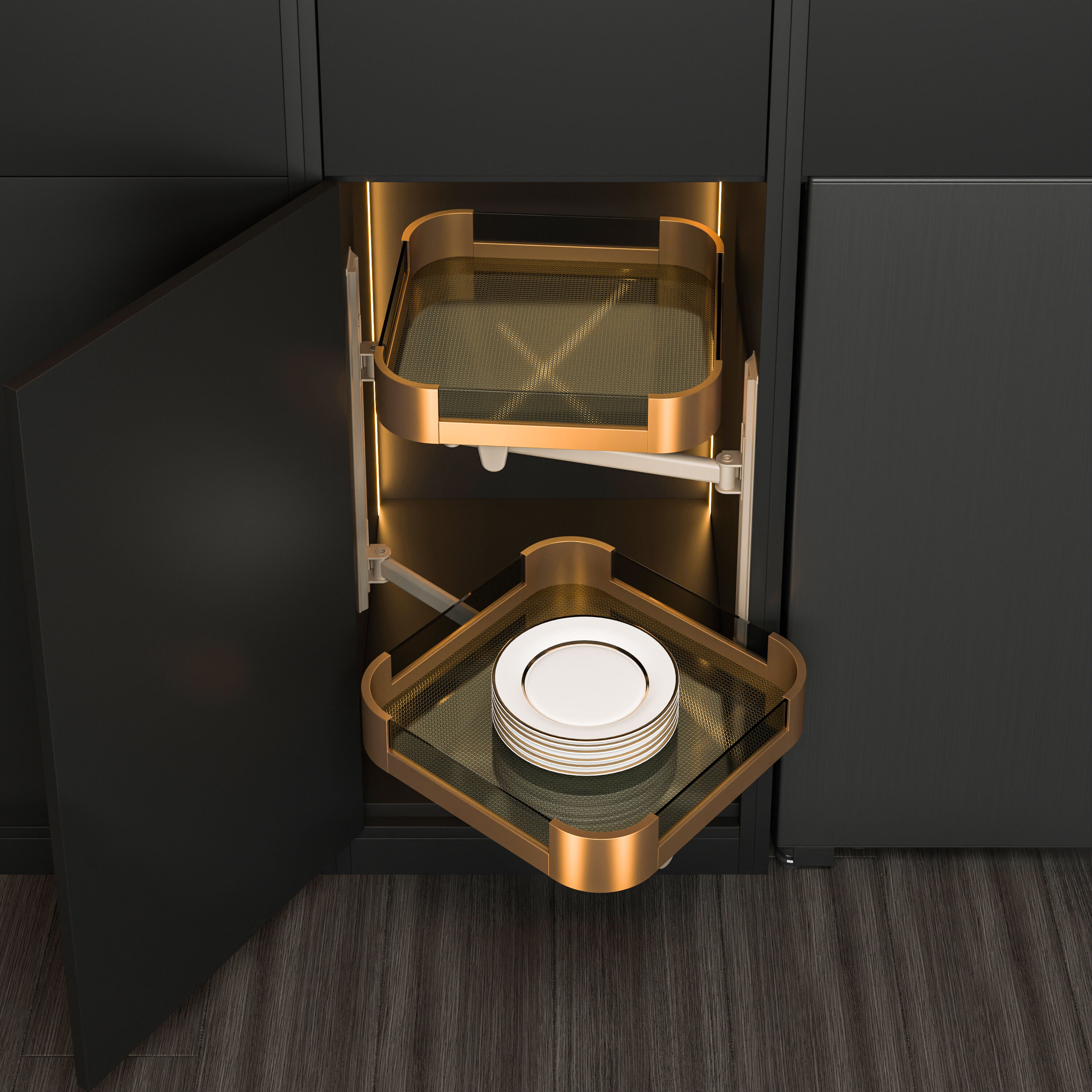
Modern kitchens demand smart storage solutions that maximize space while maintaining food freshness and accessibility. A well-designed pantry organizer system transforms chaotic food storage into an efficient, organized space where every item has its designated place. Whether you're dealing with a compact apartment pantry or a spacious walk-in storage area, the right pantry organizer can revolutionize how you store, access, and manage your groceries while extending their shelf life and reducing food waste.
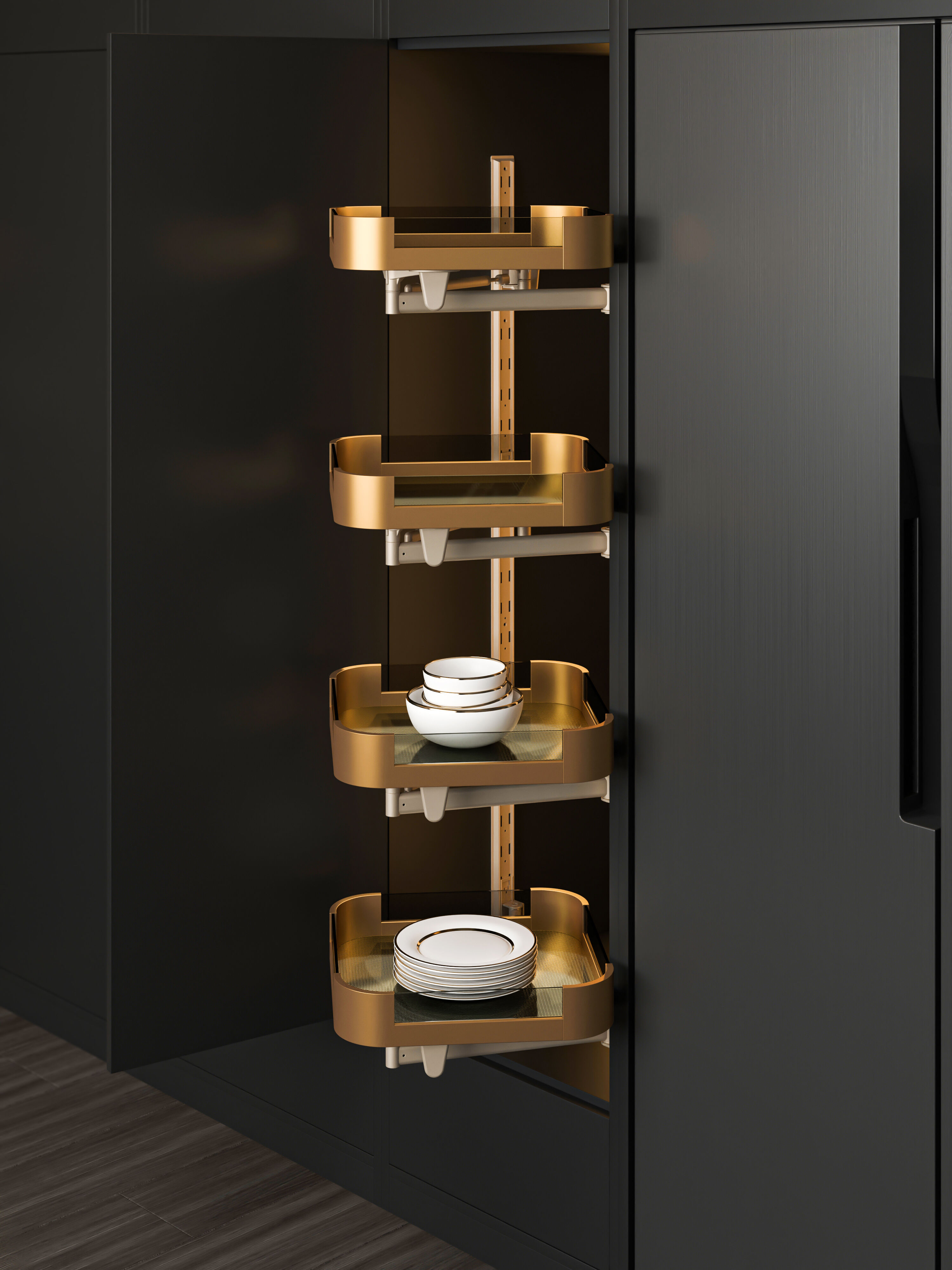
The selection of an optimal pantry organizer system depends on understanding your specific storage needs, space constraints, and food preservation requirements. Effective pantry organization combines strategic placement, proper ventilation, moisture control, and accessibility features that work together to maintain grocery freshness while streamlining daily kitchen operations. The most successful pantry organizer configurations address both immediate convenience and long-term food preservation goals.
Understanding Pantry Organization Fundamentals for Food Preservation
Temperature and Climate Control Considerations
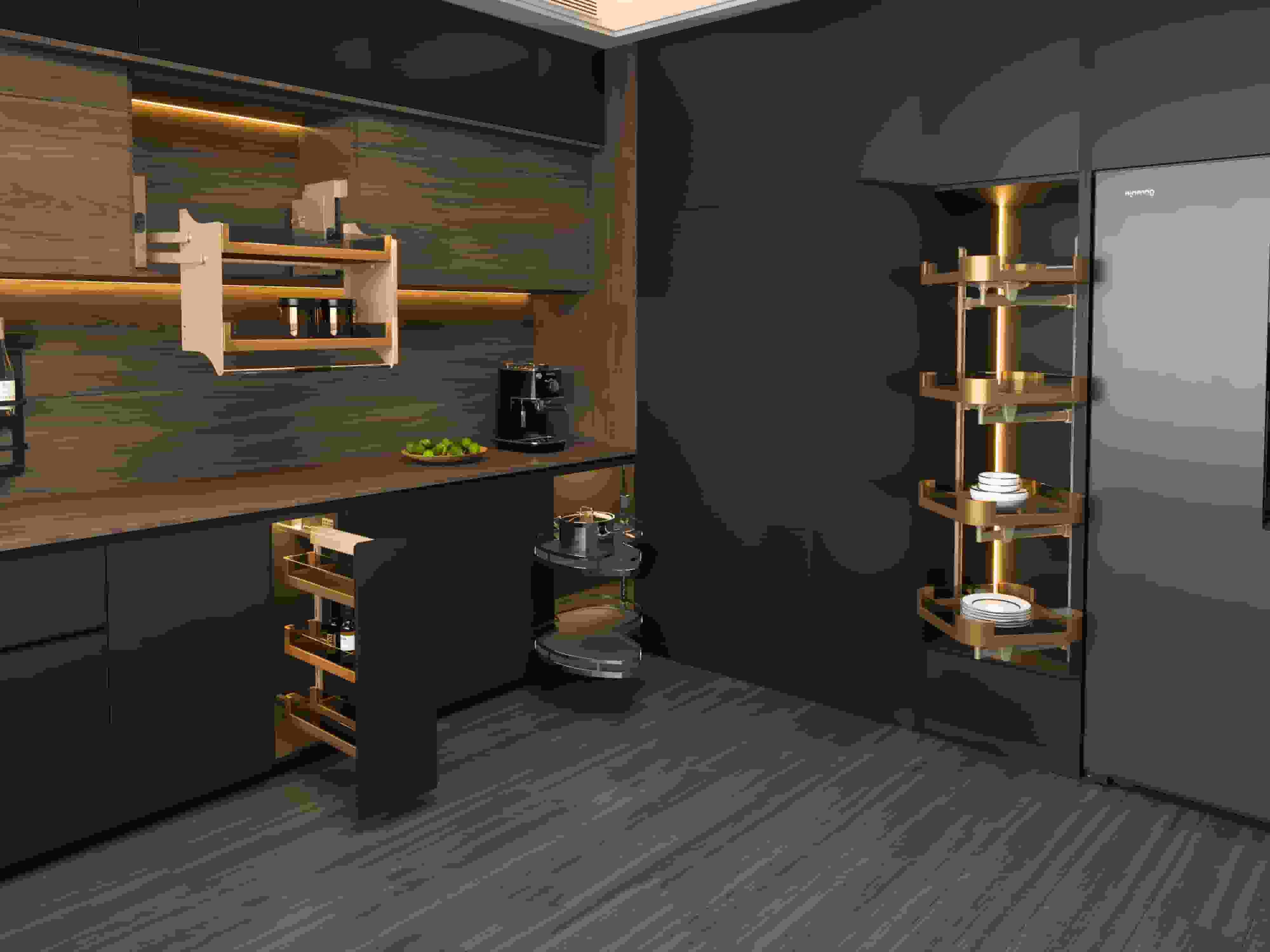
Proper pantry organizer placement must account for temperature variations and humidity levels that directly impact food freshness. The ideal pantry environment maintains consistent temperatures between 50-70°F with humidity levels below 15%. Strategic positioning of your pantry organizer away from heat sources like ovens, dishwashers, and direct sunlight prevents temperature fluctuations that accelerate food spoilage and reduce shelf life.
Ventilation becomes crucial when selecting a pantry organizer system, as stagnant air creates pockets of moisture that encourage bacterial growth and pest infestations. Well-designed pantry organizer units incorporate airflow channels and spacing that promote natural air circulation while preventing condensation buildup around stored items.
Food Safety and Contamination Prevention
Effective pantry organizer systems implement the first-in, first-out rotation principle to prevent expired products from contaminating fresh groceries. This requires clear visibility and easy access to product dates, which quality pantry organizer designs facilitate through transparent containers, adjustable shelving, and rotating mechanisms that bring older items to the front automatically.
Cross-contamination prevention requires separating different food categories within your pantry organizer structure. Raw ingredients, processed foods, and cleaning supplies should occupy distinct zones with appropriate barriers to prevent chemical migration and bacterial transfer between products.
Essential Features of High-Performance Pantry Organizer Systems
Adjustable and Modular Storage Components
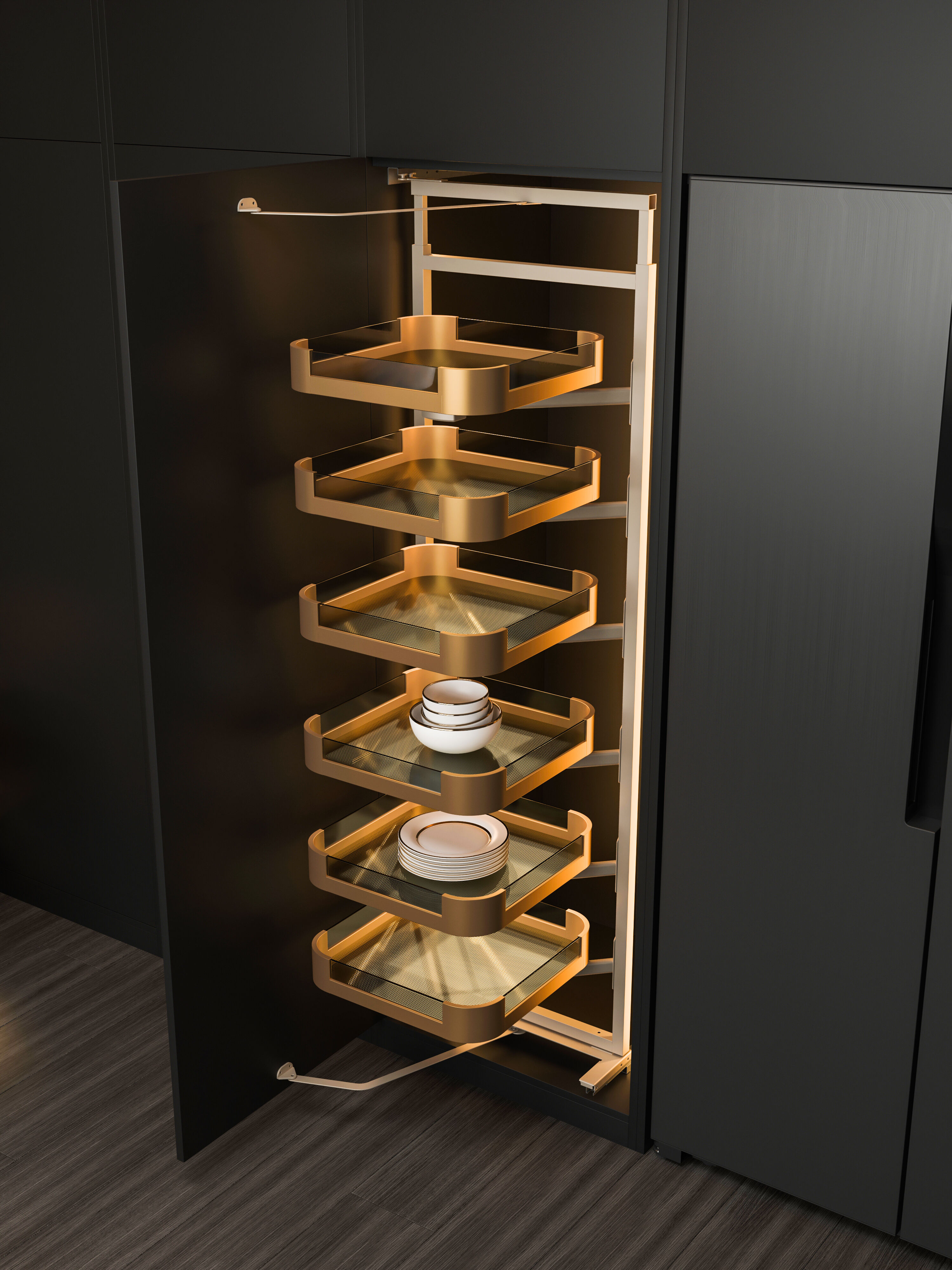
Superior pantry organizer systems offer adjustable shelving configurations that adapt to changing storage needs and varying package sizes. Modular components allow users to customize their pantry organizer layout based on seasonal shopping patterns, family size changes, and evolving food preferences without requiring complete system replacement.
The flexibility of adjustable pantry organizer elements extends beyond shelf height to include removable dividers, expandable compartments, and reconfigurable door storage options. This adaptability ensures your pantry organizer investment remains functional and efficient as household needs evolve over time.
Accessibility and Visibility Enhancement
Optimal pantry organizer design prioritizes easy access to all stored items, eliminating the need to move multiple containers to reach products in the back. Sliding drawers, pantry organizer turntables, and pull-out baskets ensure that every item remains visible and accessible without disrupting the organization of surrounding products.
Clear labeling systems integrated into pantry organizer designs help maintain organization consistency among all household members. Transparent containers, color-coded zones, and category-specific storage areas make inventory management intuitive and reduce the likelihood of duplicate purchases or forgotten items.
Material Selection and Durability Factors
Food-Safe Materials and Chemical Resistance
Premium pantry organizer systems utilize food-grade materials that resist chemical absorption and prevent flavor transfer between stored items. Stainless steel, BPA-free plastics, and sealed wood finishes provide non-porous surfaces that maintain hygiene standards while resisting stains, odors, and bacterial growth over extended use periods.
Chemical resistance becomes particularly important in pantry organizer applications where cleaning products or acidic foods might come into contact with storage surfaces. Materials that withstand exposure to common household chemicals ensure long-term durability and prevent degradation that could compromise food safety.
Structural Integrity and Weight Distribution
Robust pantry organizer construction must support the substantial weight of full grocery inventories without sagging, warping, or failing over time. Quality systems distribute weight loads across multiple support points and incorporate reinforcement elements that maintain structural integrity under maximum capacity conditions.
The weight-bearing capacity of pantry organizer components should exceed typical loading requirements by at least 50% to account for occasional overloading and provide safety margins. This engineering approach ensures reliable performance and prevents sudden failures that could damage stored food or create safety hazards.
Space Optimization Strategies for Different Pantry Configurations
Vertical Storage Maximization
Effective pantry organizer design leverages vertical space through multi-tier shelving, stackable containers, and overhead storage solutions that increase capacity without expanding floor footprint. Vertical organization requires careful weight distribution and stability considerations to prevent top-heavy configurations that compromise safety.
Ceiling-height pantry organizer systems often incorporate step-stool storage or pull-down mechanisms to maintain accessibility to upper storage levels. These features ensure that vertical space utilization doesn't compromise convenience or create barriers to regular inventory rotation.
Corner and Dead Space Utilization
Specialized pantry organizer components address typically underutilized corner spaces and irregular pantry dimensions. Lazy Susan systems, corner carousels, and angled shelving configurations transform awkward spaces into functional storage areas that contribute significantly to overall capacity.
Custom pantry organizer solutions often incorporate measurements and design elements that maximize every available square inch while maintaining ergonomic access patterns. Professional installation ensures optimal fit and function in challenging spaces that standard systems cannot address effectively.
Smart Technology Integration and Modern Conveniences
Inventory Tracking and Monitoring Systems
Advanced pantry organizer systems increasingly incorporate smart technology elements that track inventory levels, monitor expiration dates, and send automated notifications when supplies run low. These integrated systems connect to smartphone applications that facilitate shopping list generation and inventory management from anywhere.
Digital pantry organizer management helps prevent food waste by providing timely alerts about approaching expiration dates and suggesting recipes that utilize ingredients before they spoil. This technology integration transforms basic storage into an active food management system that supports healthier eating habits and reduces household waste.
Automated Access and Climate Control
Premium pantry organizer installations may include motorized shelving, automated rotation systems, and climate control features that maintain optimal storage conditions without manual intervention. These advanced features particularly benefit users with mobility limitations or large-scale storage requirements that make manual operation impractical.
Sensor-activated lighting integrated into pantry organizer systems improves visibility and reduces energy consumption by providing illumination only when needed. LED strip lighting and motion sensors create well-lit storage environments that make inventory management safer and more efficient, especially in deep or poorly lit pantries.
FAQ
How often should I reorganize my pantry organizer system?
Complete pantry organizer reorganization should occur seasonally or quarterly to accommodate changing food preferences, expired product removal, and system optimization. Weekly maintenance involving inventory rotation and quick organization adjustments maintains efficiency between major reorganization sessions. Monthly deep cleaning ensures hygiene standards while allowing assessment of system performance and potential improvements.
What size pantry organizer do I need for a family of four?
A family of four typically requires pantry organizer capacity for 3-4 weeks of non-perishable groceries, equivalent to approximately 40-60 cubic feet of organized storage space. This calculation includes dry goods, canned items, snacks, and household supplies but excludes refrigerated products. Actual requirements vary based on eating habits, shopping frequency, and bulk purchasing preferences.
Can pantry organizer systems work in small apartment kitchens?
Compact pantry organizer solutions excel in small spaces through vertical storage maximization, door-mounted systems, and multi-functional furniture integration. Cabinet-mounted pantry organizer units, over-door storage racks, and narrow rolling carts provide substantial organization benefits without requiring dedicated pantry rooms. Strategic placement and proper sizing ensure even minimal spaces achieve significant storage efficiency improvements.
How do I prevent pests in my organized pantry system?
Effective pest prevention in pantry organizer systems requires airtight container storage, regular cleaning schedules, and moisture control measures. Sealed containers prevent access to food sources while eliminating crumbs and spills removes attraction factors. Bay leaves, diatomaceous earth, and proper ventilation provide natural deterrent methods that maintain food safety while preventing infestations in organized storage areas.