 EN
EN


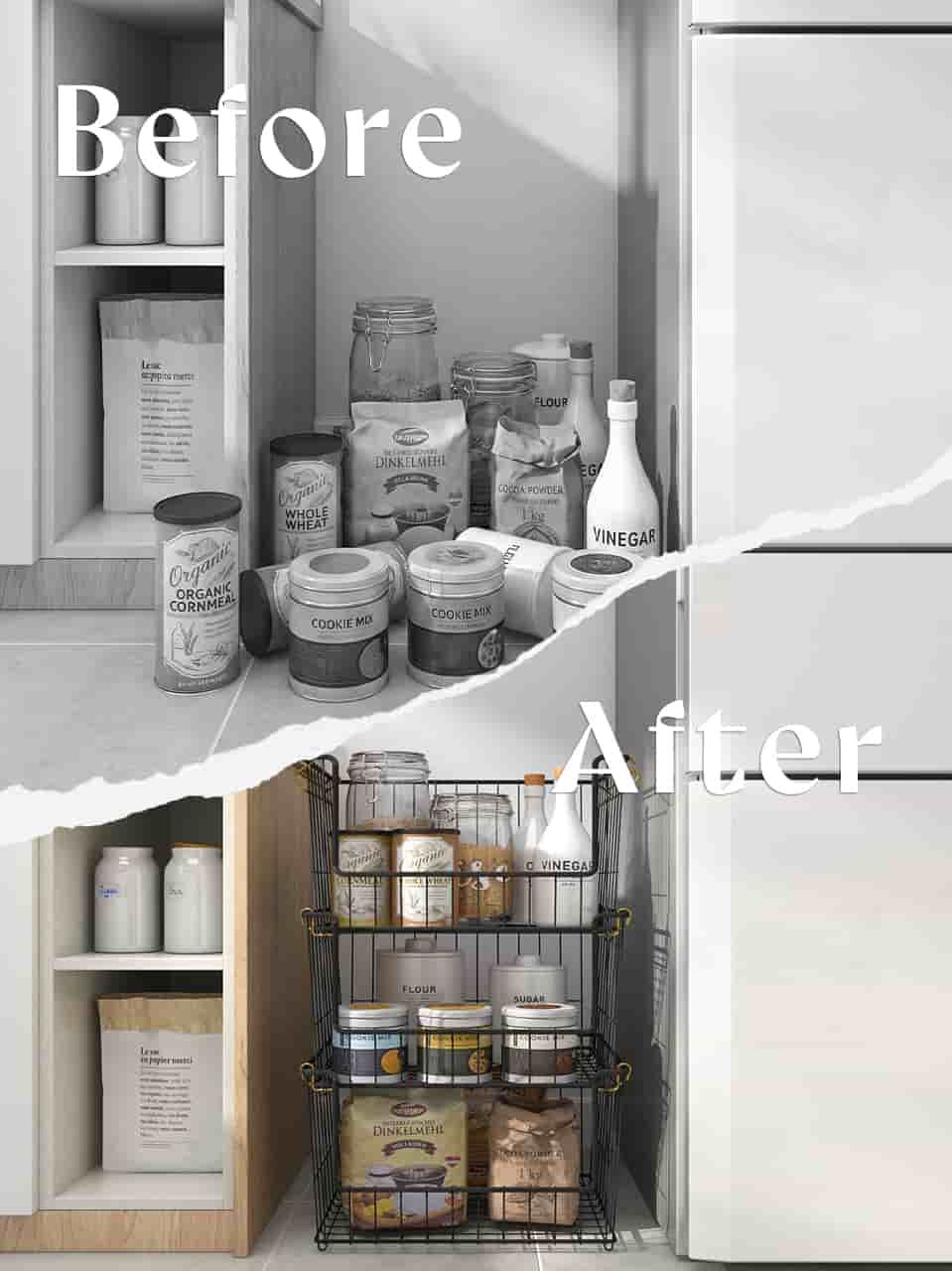
Living with a compact kitchen in 2026 is no longer a limitation—it is a design challenge that smart storage solutions are built to solve. Whether you are working with a narrow galley layout, a studio apartment kitchenette, or simply a countertop that feels perpetually overwhelmed, the right kitchen rack can transform cluttered chaos into organized, functional calm. As urban living spaces shrink and the demand for efficient home organization grows, kitchen rack solutions have evolved dramatically in both design and practicality.
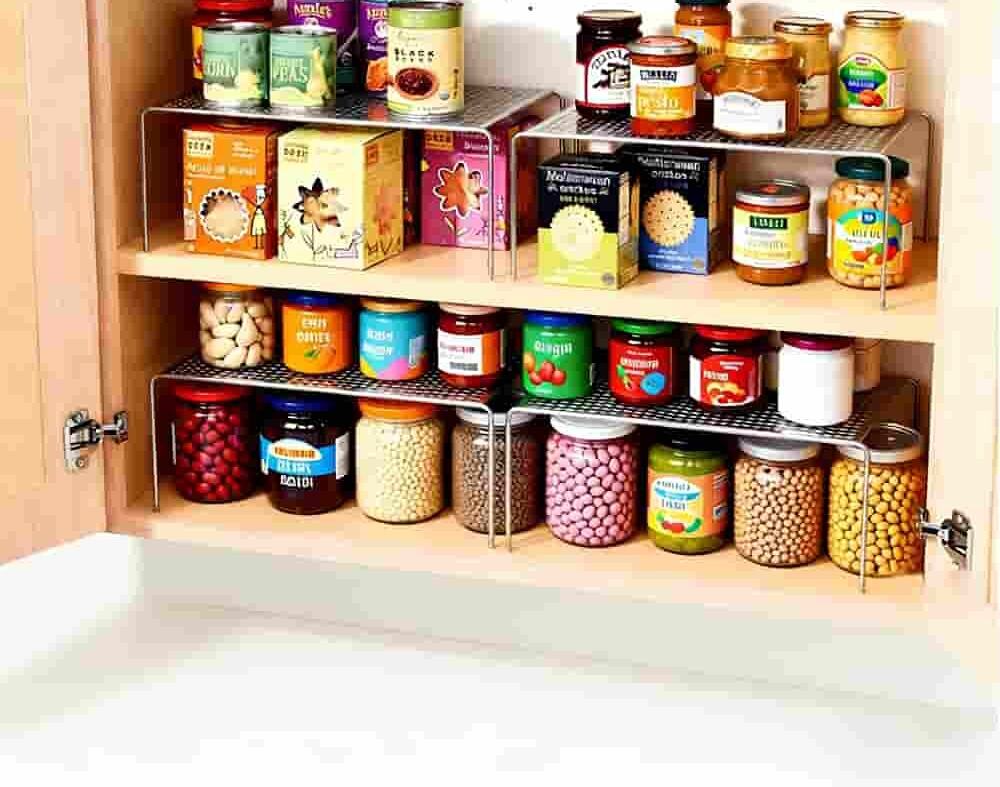
Today's kitchen rack options are specifically engineered for small spaces, prioritizing vertical storage, multi-functionality, and modular configurations that adapt to diverse kitchen layouts. If you are researching the best kitchen rack solutions heading into 2026, this guide will walk you through the key selection criteria, the most effective rack types for limited square footage, and how to maximize every inch of your kitchen without sacrificing accessibility or aesthetics. Understanding what actually works in a small kitchen environment is the foundation of making a smart purchasing decision.
Why Small Spaces Demand Purpose-Built Kitchen Rack Designs
The Core Problem with Standard Racks in Compact Kitchens
Standard kitchen rack products are designed with average kitchen dimensions in mind, which often translates to oversized footprints, inflexible configurations, and wasted vertical potential. When you install a conventional kitchen rack in a small space, you frequently discover that it either blocks movement, competes with cabinet doors, or simply does not hold enough to justify the space it occupies. This mismatch between standard product design and compact kitchen realities is exactly why purpose-built small-space kitchen rack solutions have become a category of their own.
Small kitchens require a kitchen rack that works in three dimensions simultaneously—using wall space, vertical height, and often the interior of cabinet doors or the sides of refrigerators. The best solutions are those that treat every surface as a potential storage opportunity. A well-chosen kitchen rack for small spaces should store more than it seems capable of storing at first glance, using hooks, stacked tiers, and adjustable shelving to compress high-volume storage into a minimal footprint.
How Small-Space Kitchen Design Trends Are Shaping Rack Innovation in 2026
In 2026, kitchen rack design is being heavily influenced by minimalist interiors, sustainability preferences, and the rise of multi-purpose furniture. Manufacturers are responding with rack systems that integrate seamlessly into kitchen aesthetics while delivering serious organizational capacity. Matte finishes, stainless and powder-coated steel frames, and natural wood accents are now standard in small-space kitchen rack offerings, making it easier to match your storage solution to your kitchen's visual tone.
Beyond appearance, the functional intelligence built into modern kitchen rack products has also improved significantly. Hook-and-rail systems allow users to reconfigure their kitchen rack layout without tools, while stackable tier designs let storage capacity scale as needs evolve. The trend toward modular kitchen rack ecosystems—where individual components can be added, removed, or repositioned—has made it far more practical to start with a compact setup and expand it over time without replacing the entire system.
The Most Effective Kitchen Rack Types for Small Spaces
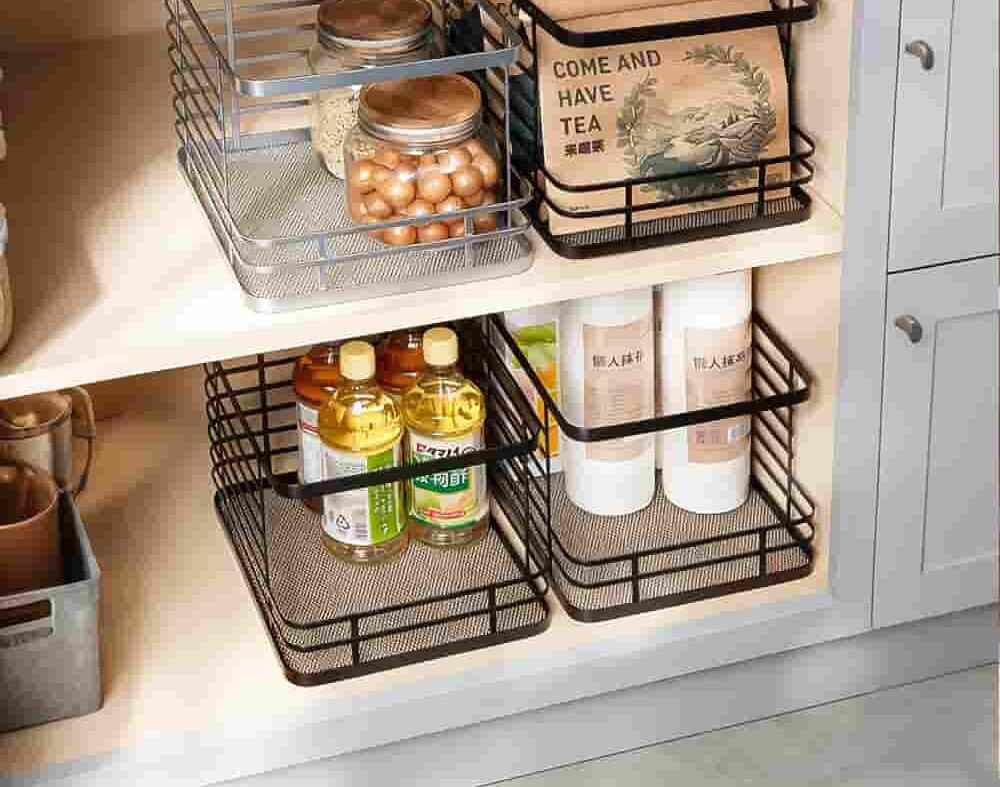
Over-the-Sink and Wall-Mounted Rack Solutions
For kitchens where counter space is genuinely scarce, over-the-sink and wall-mounted kitchen rack options are among the most impactful choices available. An over-the-sink kitchen rack bridges unused air space above the basin, creating a drying and storage platform that occupies zero counter real estate. These racks are ideal for small apartments and studio kitchens where the sink zone is the only available horizontal surface near the prep area.
Wall-mounted kitchen rack systems take the same principle further by anchoring directly to vertical wall surfaces, effectively adding shelving capacity without consuming any floor or counter space. A well-installed wall kitchen rack can hold spices, utensils, cutting boards, and even small appliances, keeping the entire countertop clear for active food preparation. For renters or those who prefer not to drill into walls, adhesive-mounted and tension-rod kitchen rack systems now offer viable alternatives that are surprisingly load-bearing for everyday items.
Freestanding Tiered and Hook-Equipped Racks
Freestanding kitchen rack units with integrated hooks represent one of the most versatile storage solutions for small kitchens in 2026. These systems typically feature multiple horizontal shelves combined with a series of hanging hooks, allowing users to store flat items on shelves while hanging pots, pans, ladles, and other tools vertically below or beside them. The result is a dramatic increase in usable storage capacity per square foot compared to a conventional single-tier kitchen rack.
The hook-and-shelf combination in a freestanding kitchen rack is particularly effective because it separates storage categories naturally—cooking tools hang accessible at the front while dry goods, plates, or prep accessories occupy the shelf surfaces above. When selecting this type of kitchen rack for a small space, pay attention to the base footprint dimensions and ensure the shelving height aligns with your ceiling clearance. Narrow-depth freestanding units—typically 25 to 35 centimeters deep—are the best choice for tight galley-style kitchens where depth clearance is a real constraint.
Corner Rack Configurations and Door-Mounted Storage
Corners are consistently underutilized in small kitchens, yet they represent some of the most accessible storage real estate available. A corner-specific kitchen rack uses angled or rotating shelf geometry to fill triangular spaces that standard rectangular racks simply cannot reach. Rotating corner kitchen rack models allow users to access items stored at the back without reaching around obstructions, making them particularly user-friendly in kitchens where maneuverability is limited.
Door-mounted kitchen rack solutions—installed on the inside face of pantry doors, cabinet doors, or even the back of the kitchen door itself—have also gained significant popularity for small-space applications. These racks convert wasted door space into organized storage for spices, foils, bags, and small condiment bottles. When combined with a primary kitchen rack unit, door-mounted storage can effectively double the total storage capacity of a small kitchen without any increase in floor footprint.
Key Criteria for Selecting the Right Kitchen Rack in 2026
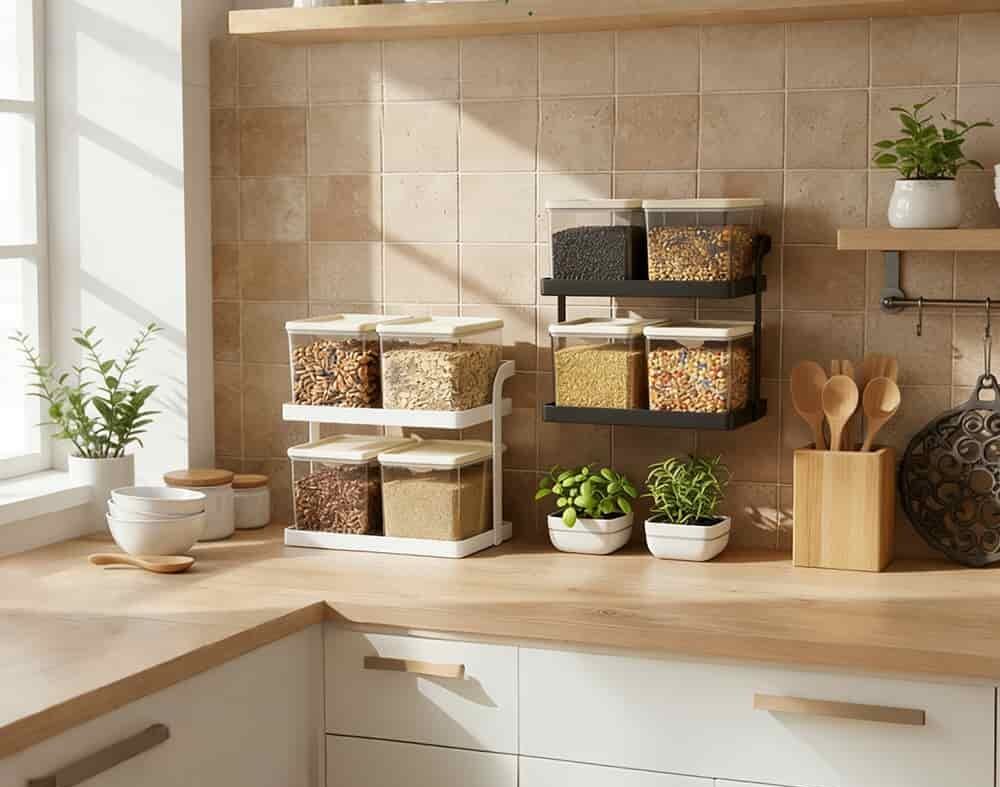
Material Durability and Weight Capacity
Selecting a kitchen rack based purely on visual appeal is a common mistake that leads to premature wear and unsafe loading conditions. In a small kitchen, your kitchen rack will be accessed frequently and loaded densely because limited alternatives force higher utilization per storage unit. This means material quality and weight capacity should be primary selection criteria rather than secondary considerations. Stainless steel and powder-coated carbon steel remain the most durable material choices for kitchen rack products in environments exposed to moisture, heat, and cooking grease.
Always verify the per-shelf and total weight capacity ratings before purchasing a kitchen rack for compact kitchen use. A kitchen rack rated for heavy pots and cast iron cookware must have reinforced shelf joints and a stable base structure. Cheaper racks with plastic joints or hollow tube construction may look adequate at first but will flex and deform over time under real-world loading. Investing in a higher-quality kitchen rack upfront typically costs less over a three-to-five year horizon than replacing a cheaper unit that fails structurally.
Adjustability, Modularity, and Installation Ease
One of the defining characteristics of the best kitchen rack solutions for small spaces is adjustability. Fixed-shelf kitchen rack models lock users into predetermined storage configurations that rarely align perfectly with their specific combination of items to be stored. Adjustable shelf heights allow the kitchen rack to be reconfigured as storage needs change—accommodating taller bottles one month and shorter canisters the next without requiring any new hardware.
Modular kitchen rack systems take adjustability a step further by allowing entire sections to be added or removed. If your kitchen evolves—after a move, a kitchen renovation, or a lifestyle change—a modular kitchen rack adapts rather than becomes obsolete. Installation ease is also a practical criterion for many buyers, particularly renters. Tool-free assembly, interlocking joints, and adhesive-mount options have made modern kitchen rack products far more accessible to non-technical users while still delivering respectable structural integrity.
Compatibility with Small Kitchen Layouts and Workflow
The most ergonomic kitchen rack for a small space is one that integrates naturally with how you actually cook. If your workflow keeps you between the stove and the cutting board, a kitchen rack positioned within that movement corridor should store the tools you reach for most frequently—spatulas, tongs, oils, and spices. A kitchen rack loaded with items you rarely use but placed directly in your primary work zone will create friction rather than eliminate it.
Think about your kitchen rack as a workflow tool first and a storage solution second. The best placement decisions emerge from observing your own cooking patterns before committing to a fixed installation. Wheeled or mobile kitchen rack options add flexibility for kitchens where the ideal position changes depending on whether you are cooking, cleaning, or entertaining. This practical approach to kitchen rack selection—anchored in real usage behavior—consistently produces more satisfying outcomes than purely dimension-based decisions.
Making the Most of a Kitchen Rack Set with Hooks in Small Kitchens
Maximizing Vertical Space with Hook-Integrated Systems
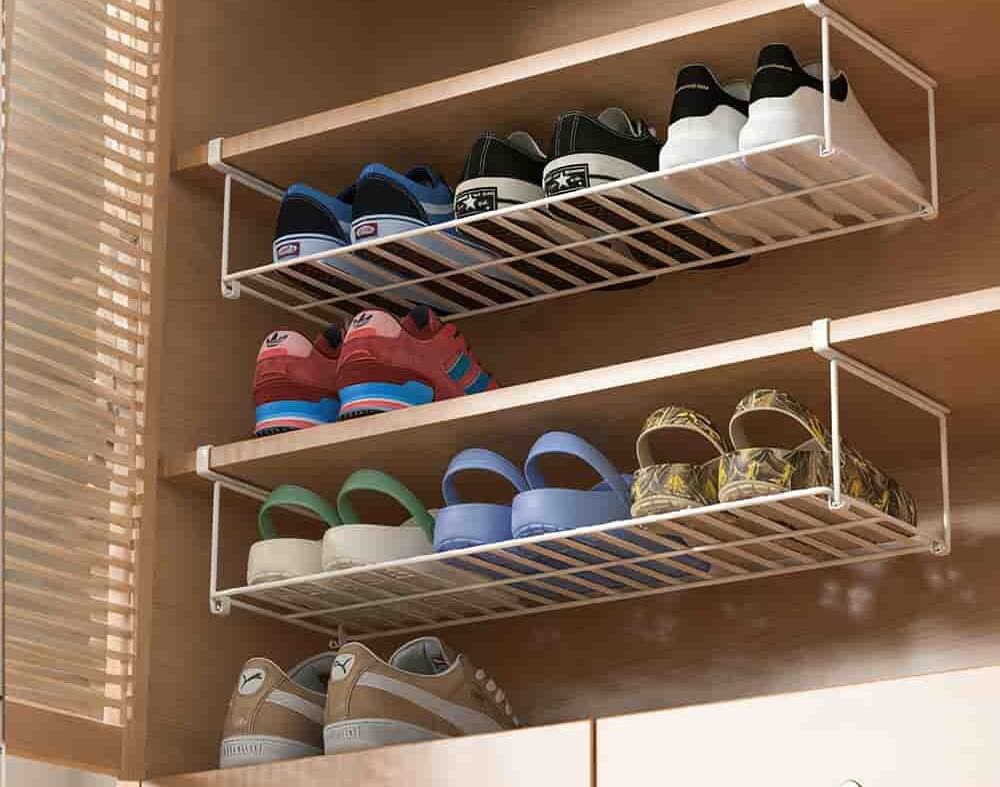
A kitchen rack set that combines shelving with hooks is especially powerful in small kitchens because it exploits the vertical dimension that flat racks ignore. Hooks allow heavy, awkwardly shaped items—pots, colanders, mugs, and utensils—to hang below or beside the main shelf surface, which keeps shelves free for flat-stacked or boxed items. This vertical separation of storage categories is one of the simplest and most effective organizational strategies available for compact kitchen environments.
When using a hook-integrated kitchen rack, resist the temptation to hang every available item at once. Prioritize the items you use daily and keep occasional-use cookware in lower-traffic locations. A well-curated selection of hanging items on your kitchen rack actually makes the entire system feel more organized and accessible, while an overstuffed hook arrangement creates visual clutter and makes individual items harder to retrieve without disturbing others. Strategic curation of what hangs on your kitchen rack is as important as the physical placement of the rack itself.
Combining Multiple Rack Formats for a Cohesive Small Kitchen System
The most effective small-kitchen storage systems in 2026 are not built around a single kitchen rack but rather around a coordinated combination of rack formats that each serve a distinct role. A primary freestanding kitchen rack with hooks might anchor the storage system while a secondary wall-mounted kitchen rack handles spice and condiment organization. A door-mounted auxiliary kitchen rack captures overflow dry goods and cleaning supplies. Together, these components create a cohesive system that dramatically increases total storage capacity without any individual piece dominating the visual or physical space.
For this coordinated approach to work, choose kitchen rack pieces from a compatible design family—matching finishes, similar shelf depths, and consistent hook styles will create a visually unified kitchen even when multiple storage formats are in use. A cohesive kitchen rack system also makes it easier to expand or reconfigure over time because the individual components remain compatible with one another. This systems-thinking approach to kitchen rack selection is what distinguishes truly optimized small-space kitchens from those that merely have a lot of racks.
FAQ
What type of kitchen rack is best for a very small apartment kitchen?
For very small apartment kitchens, a freestanding kitchen rack with integrated hooks and multiple tiers typically delivers the best storage-to-footprint ratio. Wall-mounted units are also excellent when permanent installation is possible. The key is selecting a kitchen rack that uses vertical height rather than horizontal spread, as vertical configurations maximize storage without encroaching on the limited floor and counter space available in compact layouts.
How much weight should a small-space kitchen rack be able to support?
A kitchen rack intended for small-space use should ideally support at least 15 to 25 kilograms per shelf to comfortably handle everyday cookware, appliances, and pantry goods. Hook sections of the kitchen rack should be rated to support the combined weight of the items you plan to hang, including heavier cast iron or stainless cookware. Always review the manufacturer's stated capacity and err on the side of choosing a kitchen rack with a higher rating than your estimated load to ensure long-term structural reliability.
Can a kitchen rack with hooks damage cabinet finishes or walls?
Freestanding kitchen rack units with hooks pose no risk to walls or cabinet finishes since they do not require drilling or adhesive mounting. For wall-mounted kitchen rack products, the installation method determines risk level—screw-mounted units require proper anchoring into studs or wall anchors, while adhesive-mounted options carry a small risk of surface damage upon removal if adhesive bonds tightly over time. Using removable adhesive strips rated for the kitchen rack's load and checking compatibility with your wall finish before installation are the best ways to minimize any risk.
How do I choose a kitchen rack that matches my kitchen's aesthetic?
Matching a kitchen rack to your kitchen's aesthetic starts with identifying the dominant material and color palette of your existing cabinetry and appliances. For modern minimalist kitchens, matte black or brushed stainless kitchen rack systems tend to integrate seamlessly. For warmer, natural-finish kitchens, kitchen rack options that combine metal frames with wooden shelves or bamboo surfaces are a strong visual match. Beyond material, consider the visual weight of the kitchen rack—open wire designs feel lighter and less intrusive in tight spaces compared to solid-panel alternatives.