 EN
EN


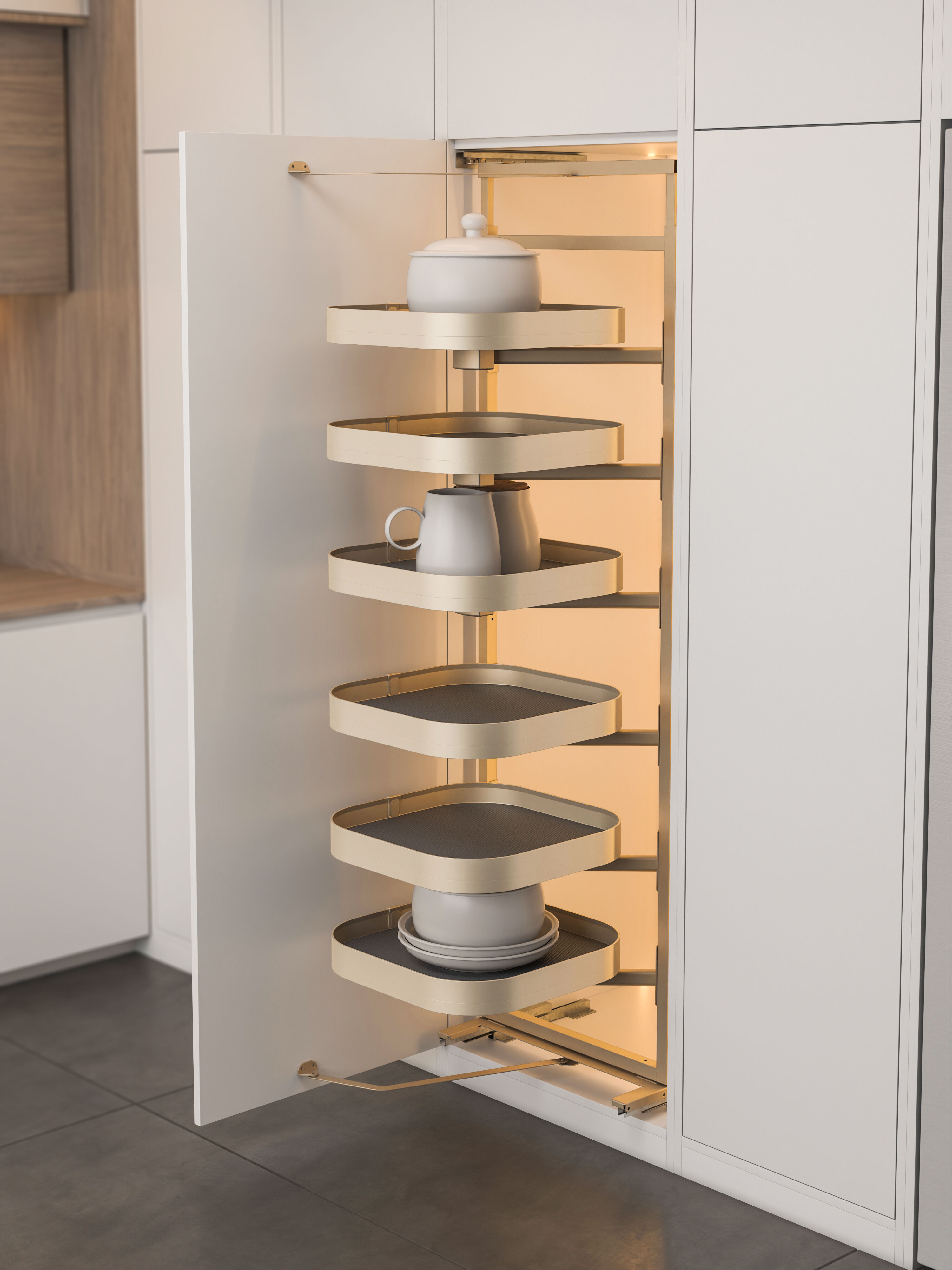
A professional pantry organizer serves as the cornerstone of an efficient kitchen storage system, transforming chaotic food storage areas into streamlined, functional spaces that maximize both accessibility and capacity. When kitchen pantries become cluttered and disorganized, homeowners often struggle to locate ingredients, experience food waste from forgotten items, and feel frustrated by the constant battle against disorder. The implementation of a well-designed pantry organizer system addresses these challenges by creating designated zones for different food categories, optimizing vertical space utilization, and establishing clear sightlines to all stored items.
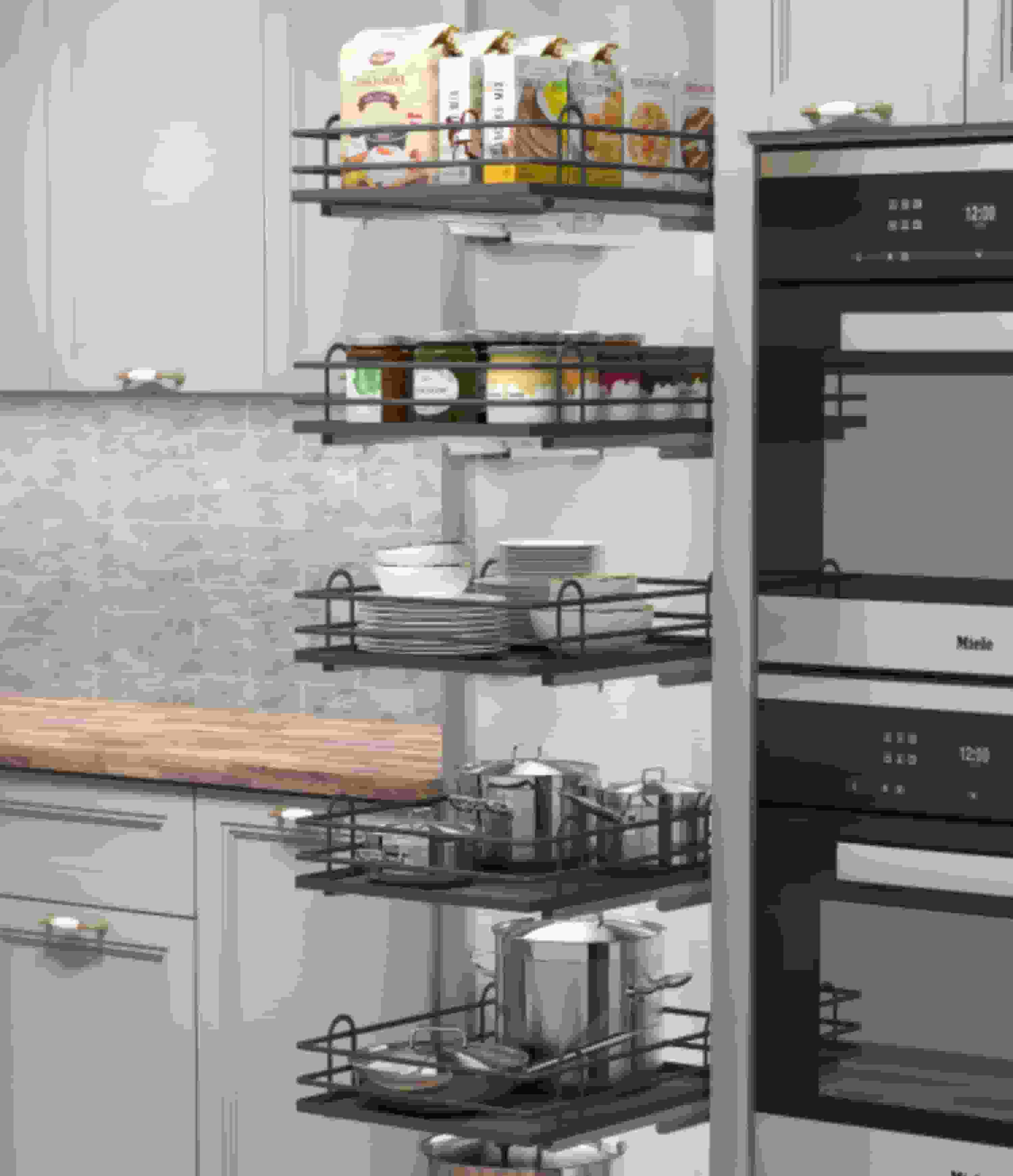
The transformation process involves strategic planning, systematic categorization, and the integration of specialized storage solutions that work together to create a cohesive organizational framework. A professional pantry organizer system goes beyond simple shelf arrangements to incorporate rotating units, adjustable compartments, and visibility-enhancing features that fundamentally change how household members interact with their food storage space. This comprehensive approach to kitchen storage efficiency delivers measurable benefits including reduced grocery shopping time, decreased food waste, improved meal preparation workflow, and enhanced overall kitchen functionality.
The Core Principles of Professional Pantry Organization
Zoning Strategy for Maximum Efficiency
Professional pantry organization begins with the establishment of logical zones that correspond to different food categories and usage patterns. A well-designed pantry organizer system creates distinct areas for baking supplies, canned goods, snacks, breakfast items, and cooking essentials, ensuring that related items remain grouped together for intuitive access. This zoning approach reduces the time spent searching for ingredients during meal preparation and helps maintain organization over time by providing clear placement guidelines for each item category.
The effectiveness of zoning relies heavily on understanding household cooking patterns and frequency of item usage. Items used daily should occupy the most accessible zones within the pantry organizer system, typically at eye level and within easy reach, while less frequently used items can be positioned in higher or lower sections. This strategic placement reduces physical strain during daily kitchen activities and creates a more ergonomic storage environment that supports efficient cooking workflows.
Vertical Space Optimization Techniques
A professional pantry organizer maximizes storage capacity by utilizing the full height of available space through carefully planned vertical organization strategies. This approach involves installing adjustable shelving systems, incorporating stackable storage containers, and utilizing door-mounted organizers that transform previously unused vertical surfaces into valuable storage real estate. The vertical optimization process ensures that every cubic inch of pantry space contributes to the overall storage capacity while maintaining accessibility to all stored items.
The implementation of vertical storage solutions requires careful consideration of item sizes, weights, and access frequencies to prevent the creation of unstable or impractical arrangements. A well-designed pantry organizer system balances maximum capacity with safety considerations, ensuring that heavier items remain positioned at stable, lower levels while lighter, frequently accessed items occupy higher positions within easy reach of household members.
Visibility and Accessibility Enhancement Methods
Clear Container Systems for Improved Inventory Management
The integration of clear storage containers within a pantry organizer system dramatically improves inventory visibility and helps prevent food waste by ensuring that all stored items remain clearly visible at a glance. These transparent storage solutions allow household members to quickly assess quantities of staple ingredients, identify items approaching expiration dates, and maintain awareness of inventory levels without the need to move or disturb other stored items. The visual clarity provided by clear containers transforms the pantry from a storage area where items can be forgotten into an active inventory management system.
Professional-grade clear containers also contribute to freshness preservation by creating airtight seals that protect dry goods from moisture, pests, and staleness. A comprehensive pantry organizer system incorporates containers of various sizes to accommodate different food types while maintaining consistent visual aesthetics that enhance the overall appearance of the storage space. The standardization of container shapes and sizes also improves space efficiency by eliminating gaps and irregular spaces that often occur with original packaging.
Labeling Systems for Long-term Organization Maintenance
A professional pantry organizer system incorporates comprehensive labeling strategies that ensure organization maintenance even when multiple household members access the storage space. Clear, consistent labeling eliminates guesswork about item placement and helps maintain the established organizational system over time by providing visual cues that guide proper item replacement after use. The labeling system extends beyond simple item identification to include expiration date tracking, quantity indicators, and usage instructions that support efficient kitchen management.
Effective labeling within a pantry organizer framework utilizes durable materials and clear fonts that remain legible over time despite exposure to kitchen humidity and temperature variations. The strategic placement of labels ensures visibility from multiple angles while avoiding interference with container functionality or aesthetic appeal. This attention to labeling detail creates a self-maintaining organizational system that supports consistent pantry efficiency even as household routines and inventory needs evolve.
Space-Specific Customization Strategies
Adapting Organization Solutions to Pantry Dimensions
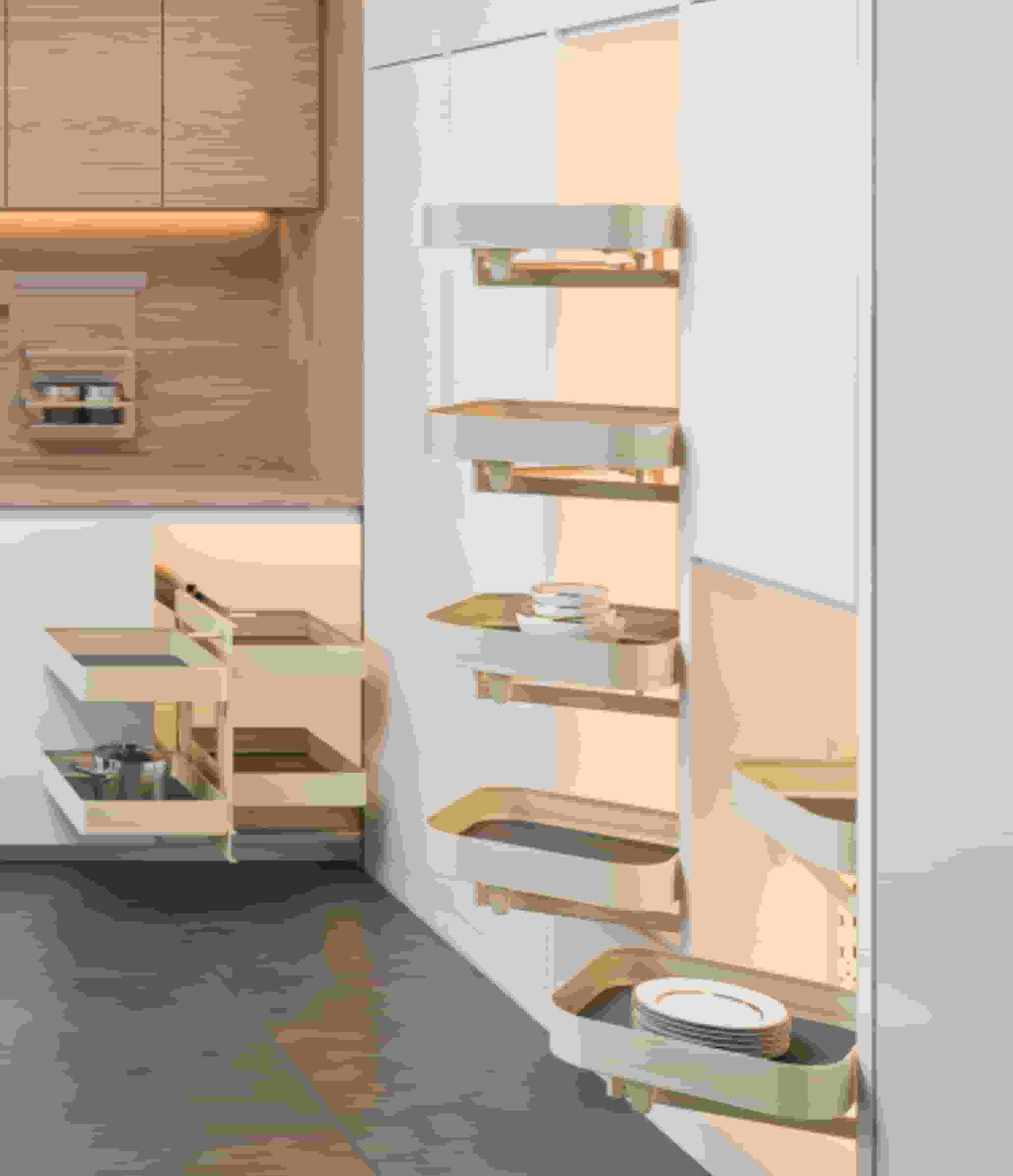
Professional pantry organization recognizes that effective storage solutions must be tailored to the specific dimensions and configuration of each individual pantry space. A well-designed pantry organizer system takes into account ceiling height, shelf depth, door swing patterns, and existing architectural features to create customized storage solutions that maximize the unique potential of each space. This individualized approach ensures that the organizational system works harmoniously with the existing kitchen layout rather than fighting against spatial constraints.
The customization process involves careful measurement and planning to identify opportunities for specialized storage solutions such as corner organizers, under-shelf baskets, and narrow pull-out drawers that make use of otherwise wasted space. A comprehensive pantry organizer system adapts to challenging spatial configurations by incorporating flexible components that can be adjusted or reconfigured as storage needs change over time, ensuring long-term functionality and value.
Integration with Existing Kitchen Workflows
The most effective pantry organizer systems seamlessly integrate with existing kitchen workflows and cooking patterns rather than requiring household members to completely change their established routines. This integration involves analyzing current meal preparation patterns, identifying frequently used ingredient combinations, and positioning related items within logical proximity to support efficient cooking processes. The organizational system should enhance natural kitchen movements rather than creating obstacles or requiring additional steps during meal preparation.
Professional integration also considers the relationship between pantry storage and other kitchen storage areas including refrigerators, cabinets, and countertop work spaces. A well-designed pantry organizer creates logical connections between different storage zones throughout the kitchen, supporting smooth transitions between storage areas during cooking activities and reducing the physical effort required for meal preparation tasks.
Maintenance and Sustainability Considerations
Establishing Routine Maintenance Protocols
Long-term success with a pantry organizer system requires the establishment of regular maintenance protocols that prevent the gradual return to disorganized conditions. These protocols include weekly inventory checks, monthly deep cleaning sessions, and quarterly system evaluations that ensure the organizational structure continues to meet evolving household needs. The maintenance approach emphasizes prevention of organizational breakdown rather than reactive reorganization efforts, creating sustainable habits that preserve storage efficiency over time.
Effective maintenance protocols also include strategies for involving all household members in preserving the organizational system through clear guidelines about item placement, inventory rotation, and cleaning responsibilities. A professional pantry organizer system includes built-in features that make maintenance tasks easier and more intuitive, such as removable shelf liners, easily cleanable surfaces, and clearly defined zones that guide proper item replacement after use.
Adaptability for Changing Storage Needs
A well-designed pantry organizer system incorporates flexibility features that allow for adaptation as household storage needs evolve due to family size changes, dietary modifications, or cooking preference shifts. This adaptability includes adjustable shelving systems, modular storage components, and expandable organizational features that can be reconfigured without requiring complete system replacement. The flexible design approach ensures that the initial investment in professional organization continues to provide value even as circumstances change.
The sustainability of a pantry organizer system also depends on its ability to accommodate seasonal variations in food storage needs, bulk purchasing patterns, and special occasion preparation requirements. Professional organizational solutions include overflow capacity and temporary storage options that handle periodic increases in inventory without disrupting the established organizational framework or creating permanent clutter conditions.
FAQ
How long does it typically take to implement a professional pantry organizer system?
The implementation timeline for a professional pantry organizer system varies depending on pantry size and complexity, but most installations can be completed within one to three days. The process includes initial assessment, removal of existing items, installation of organizational components, and systematic replacement of inventory according to the new organizational framework. Smaller pantries may require only a few hours, while larger or more complex spaces may need additional time for custom component installation and detailed inventory organization.
What is the average cost investment for a complete pantry organizer transformation?
Professional pantry organizer system costs typically range from several hundred to several thousand dollars, depending on the scope of customization and quality of components selected. Basic organizational systems using standard shelving and container solutions represent the lower end of the investment range, while fully customized systems with specialized rotating units, built-in features, and premium materials require higher initial investment. The cost should be evaluated against the long-term benefits of reduced food waste, improved efficiency, and enhanced kitchen functionality.
Can a pantry organizer system work effectively in small or irregularly shaped pantries?
Professional pantry organizer systems are specifically designed to maximize efficiency in challenging spaces including small closets, irregular corners, and narrow cabinet pantries. Specialized components such as rotating corner units, slim pull-out drawers, and vertical door organizers can transform even the most awkward spaces into highly functional storage areas. The key to success in small or irregular pantries lies in careful space assessment and selection of appropriately sized organizational components that work within the available dimensions.
How do I maintain organization in a pantry organizer system with multiple family members?
Maintaining organization with multiple users requires establishing clear guidelines, implementing intuitive labeling systems, and creating organizational structures that are easy to follow and maintain. Successful multi-user pantry organizer systems include visual cues such as color-coding, clear container systems, and designated zones that make proper item placement obvious to all family members. Regular family meetings to review organizational guidelines and periodic system adjustments help ensure that the organizational structure continues to work effectively for all household members.
Table of Contents
- The Core Principles of Professional Pantry Organization
- Visibility and Accessibility Enhancement Methods
- Space-Specific Customization Strategies
- Maintenance and Sustainability Considerations
-
FAQ
- How long does it typically take to implement a professional pantry organizer system?
- What is the average cost investment for a complete pantry organizer transformation?
- Can a pantry organizer system work effectively in small or irregularly shaped pantries?
- How do I maintain organization in a pantry organizer system with multiple family members?