 EN
EN


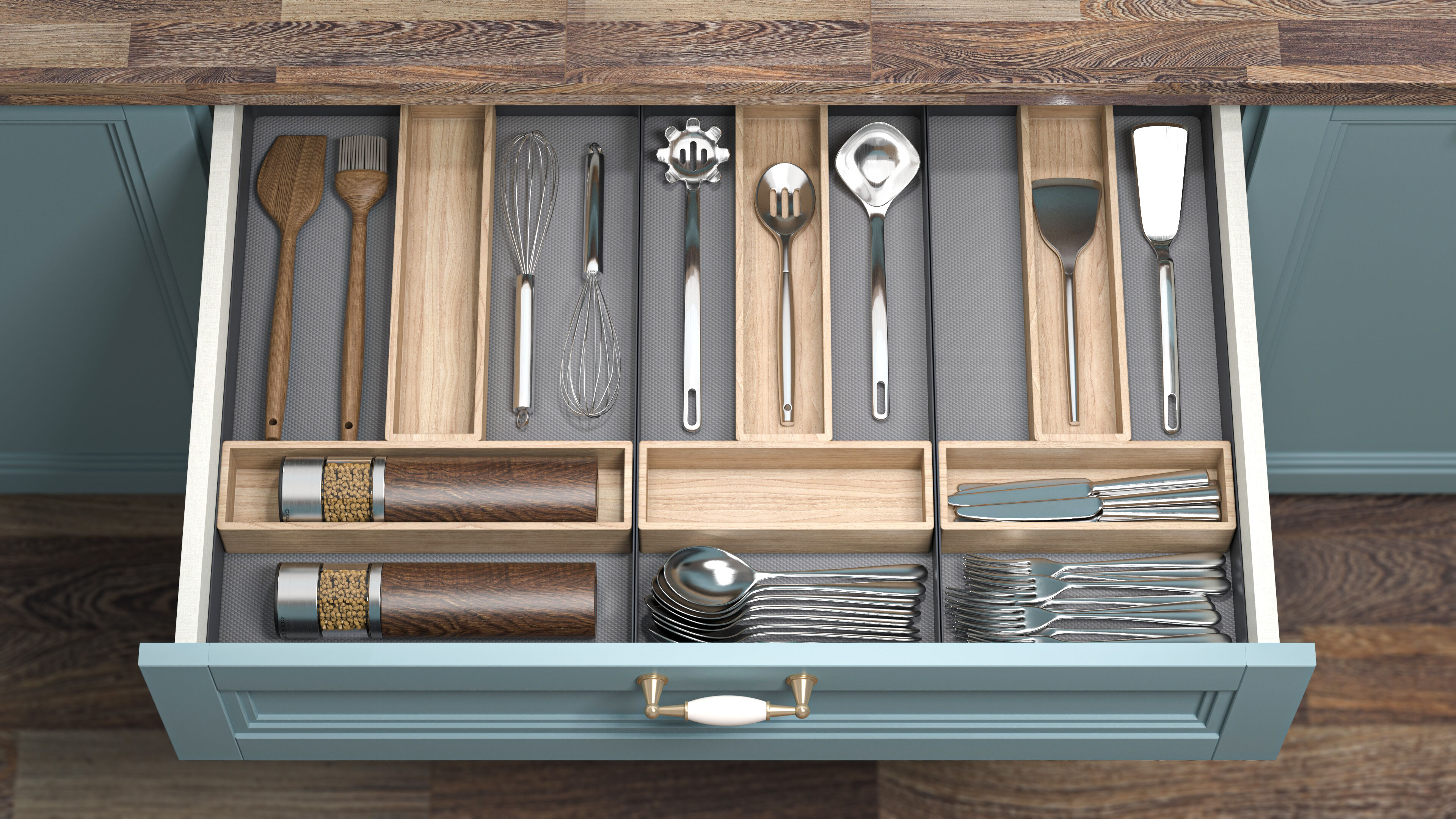
Finding the right drawer organizers for your kitchen and home requires understanding your specific storage needs, available space, and organizational goals. This comprehensive guide will walk you through every essential factor to consider when selecting drawer organizers that maximize functionality while maintaining aesthetic appeal. Whether you're organizing kitchen utensils, office supplies, or bedroom accessories, the right drawer organizers can transform cluttered spaces into efficient storage solutions.
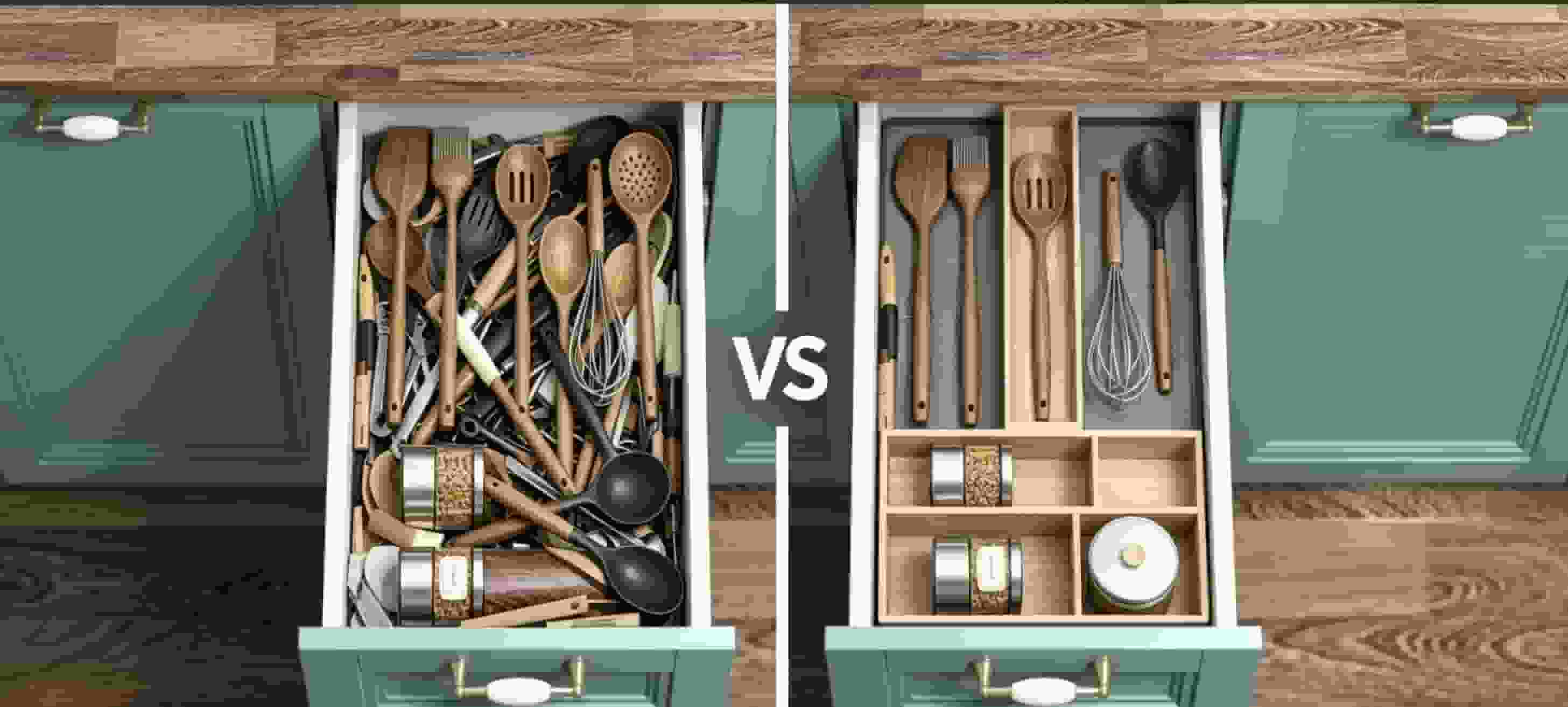
Successful drawer organization depends on choosing systems that match your lifestyle, usage patterns, and long-term storage requirements. Quality drawer organizers should provide durable construction, appropriate sizing options, and versatile configurations that adapt to changing needs. This guide examines materials, designs, sizing considerations, and installation methods to help you make informed decisions that create lasting organizational solutions throughout your home.
Understanding Different Types of Drawer Organizers
Fixed Compartment Systems
Fixed compartment drawer organizers feature predetermined sections designed for specific item categories. These systems work best in kitchens where utensil types remain consistent, providing dedicated spaces for forks, knives, spoons, and serving pieces. Kitchen drawer organizers with fixed compartments typically offer deeper wells for larger items and shallow sections for smaller accessories.
The primary advantage of fixed systems lies in their ability to maintain consistent organization patterns. Users develop muscle memory for item placement, making retrieval quick and efficient. However, these drawer organizers may not accommodate items that don't fit standard compartment sizes, potentially limiting their versatility for households with diverse storage needs.
Quality fixed compartment systems feature smooth interior surfaces that resist staining and facilitate easy cleaning. Many include non-slip bases that prevent shifting during drawer operation, maintaining organized arrangements even with frequent use.
Adjustable Modular Solutions
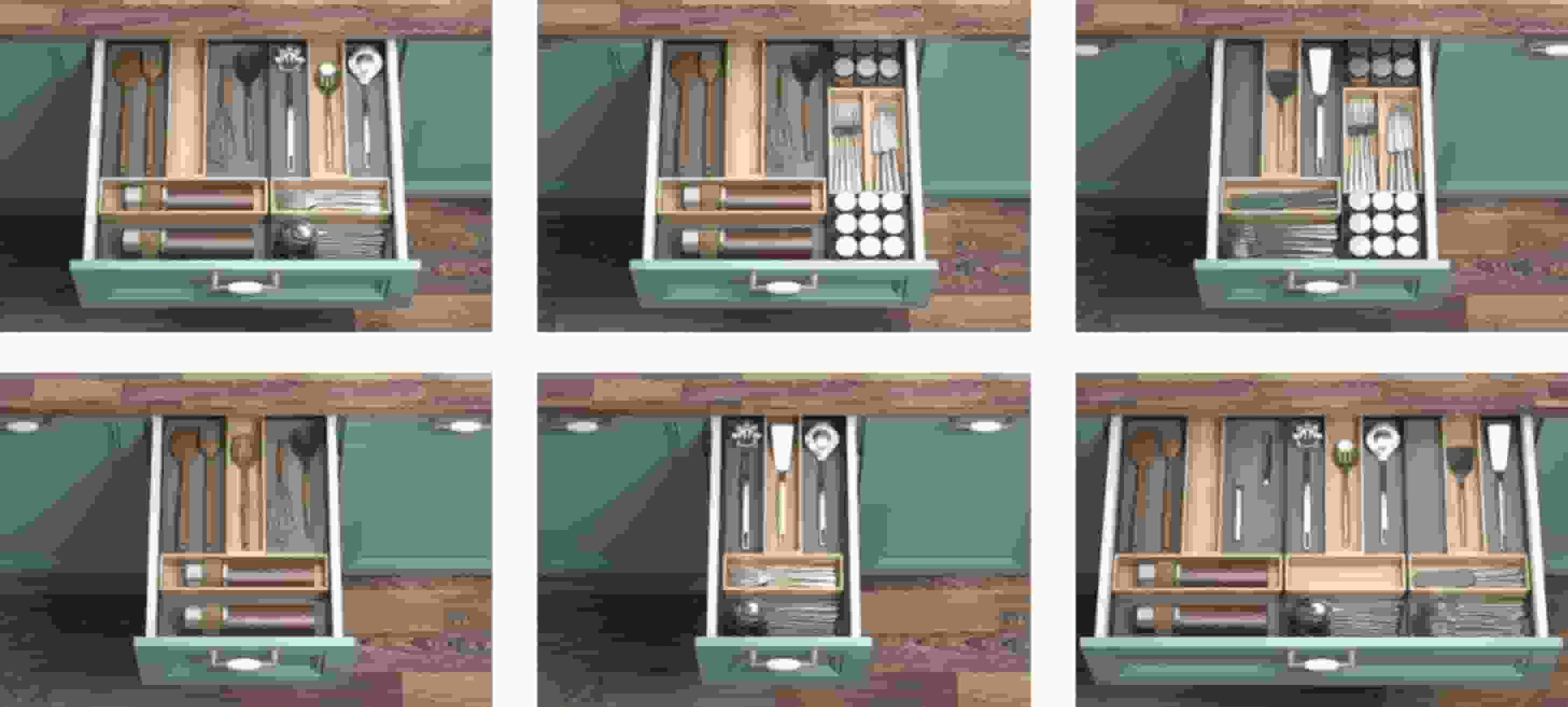
Adjustable modular drawer organizers provide flexibility through moveable dividers and reconfigurable sections. These systems allow users to customize compartment sizes based on specific storage requirements, making them ideal for households with changing organizational needs. Modular systems typically include various divider lengths and connector pieces that create custom configurations.
The adaptability of modular drawer organizers makes them particularly valuable in multi-purpose spaces where storage requirements may evolve over time. Users can reconfigure sections to accommodate new items or adjust proportions based on usage patterns. This flexibility extends the useful life of the organizational system beyond what fixed solutions typically provide.
Premium modular systems feature interlocking mechanisms that maintain secure connections while allowing easy reconfiguration. The best drawer organizers in this category include expansion options that permit adding components as storage needs grow.
Expandable and Telescoping Options
Expandable drawer organizers feature adjustable widths that accommodate various drawer dimensions without gaps or wasted space. These systems typically include spring-loaded mechanisms or telescoping sections that extend to fill available width while maintaining structural integrity. This design approach works particularly well for standard kitchen drawers with varying internal dimensions.
Telescoping drawer organizers often incorporate multiple adjustment points that allow precise fitting within existing drawer frames. This customization capability eliminates the common problem of organizers that are either too small, leaving unusable gaps, or too large, preventing proper drawer closure.
Quality expandable systems maintain consistent compartment proportions across their adjustment range, ensuring organized sections remain functional regardless of extension level. These drawer organizers typically feature reinforced construction at adjustment points to prevent failure under repeated use.
Material Selection and Durability Considerations
Wood and Bamboo Construction
Wood and bamboo drawer organizers offer natural aesthetic appeal while providing excellent durability for long-term use. Bamboo options feature rapid renewability and natural antimicrobial properties that make them particularly suitable for kitchen applications. These materials develop attractive patinas over time while maintaining structural integrity through years of daily use.
Solid wood drawer organizers typically feature traditional construction methods that create heirloom-quality organizational solutions. Premium wood options include hardwood species that resist denting and scratching while providing smooth surfaces that protect stored items. Many wood systems feature food-safe finishes that comply with kitchen safety requirements.
Maintenance requirements for wood and bamboo drawer organizers include periodic cleaning with appropriate products and occasional conditioning to prevent drying or cracking. These materials may require more care than synthetic alternatives but offer superior longevity when properly maintained.
Plastic and Composite Materials
Modern plastic drawer organizers utilize advanced polymers that provide excellent durability while offering easy maintenance and attractive appearance options. High-quality plastics resist staining, scratching, and chemical damage while maintaining dimensional stability under varying temperature conditions. Many plastic systems feature textured surfaces that prevent items from sliding during drawer operation.
Composite materials combine plastic resins with reinforcing fibers or fillers to create drawer organizers with enhanced strength and reduced weight. These materials often provide the appearance of natural materials while offering superior resistance to moisture and chemical exposure. Premium composite systems maintain color stability and surface quality through extended use.
The manufacturing flexibility of plastic materials allows complex shapes and integrated features that may be difficult to achieve with traditional materials. Modern drawer organizers in plastic often include built-in dividers, non-slip surfaces, and drainage features that enhance functionality.
Metal and Wire Construction
Metal drawer organizers provide maximum durability and load-bearing capacity for heavy items or intensive use applications. Stainless steel options offer corrosion resistance and easy cleaning, making them ideal for kitchen environments where hygiene requirements are paramount. Wire construction allows air circulation while providing clear visibility of stored items.
Powder-coated metal drawer organizers combine steel strength with attractive color options and enhanced corrosion protection. These systems typically feature welded construction that eliminates mechanical fasteners while providing smooth surfaces that won't snag clothing or scratch stored items.
Wire drawer organizers excel in applications requiring ventilation or where item visibility is important. The open construction facilitates cleaning while allowing air circulation that prevents moisture accumulation. Quality wire systems feature smooth wire ends and reinforced joints that maintain structural integrity under load.
Sizing and Measurement Guidelines
Accurate Drawer Measurement Techniques
Proper measurement forms the foundation of successful drawer organizer selection, requiring attention to both obvious and hidden dimensional factors. Begin by measuring internal drawer width, depth, and height at multiple points, as drawer construction may include variations that affect organizer fit. Record the smallest dimensions encountered, as these determine maximum organizer size.
Consider drawer slide mechanisms and any internal hardware that may reduce usable space or create installation obstacles. Full-extension slides typically provide complete access to drawer depth, while partial-extension systems may limit effective storage area. Side-mounted slides often create narrow spaces along drawer edges that standard drawer organizers cannot utilize effectively.
Account for drawer front and back panel thickness when calculating available depth, as these elements reduce internal dimensions beyond what external measurements suggest. Many drawer organizers require clearance around their perimeter for proper installation and operation, further reducing effective storage space.
Clearance and Operating Space Requirements
Drawer organizers must accommodate operational clearances that allow smooth drawer operation and easy item access. Consider the clearance required above stored items, particularly in kitchen applications where utensils may extend above compartment walls. Insufficient height clearance can prevent proper drawer closure or damage stored items.
Allow clearance around drawer organizer perimeters to prevent binding against drawer walls during operation. Thermal expansion of both drawer materials and organizer components can create interference if clearances are too tight. Most quality drawer organizers require approximately 1/8 inch clearance on each side for reliable operation.
Front-to-back clearance requirements depend on stored item lengths and access needs. Kitchen drawer organizers storing long utensils require sufficient depth to prevent items from interfering with drawer operation while maintaining easy access for daily use.
Load Capacity and Weight Distribution
Understanding load capacity ensures drawer organizers function safely while protecting both the organizational system and underlying drawer hardware. Consider both total weight capacity and weight distribution requirements, as concentrated loads can create stress points that lead to premature failure. Quality drawer organizers specify maximum recommended loads for both individual compartments and overall system capacity.
Weight distribution affects drawer slide performance and longevity, with concentrated loads creating uneven stress that can cause binding or premature wear. Distribute heavy items across multiple compartments when possible, and avoid placing all heavy items at the front or back of drawer organizers where leverage effects multiply stress on drawer slides.
Consider the weight of stored items when selecting drawer organizer materials and construction methods. Heavy items like cast iron cookware or tool sets require robust construction that may be unnecessary for lightweight items like plastic containers or linens.
Installation Methods and Compatibility
Drop-In Installation Systems
Drop-in drawer organizers provide the simplest installation method, requiring only proper sizing to achieve secure fit and operation. These systems rely on precise dimensional matching between organizer exterior and drawer interior to prevent shifting during use. Quality drop-in systems feature non-slip bases or subtle expansion mechanisms that maintain position without permanent attachment.
The primary advantage of drop-in drawer organizers lies in their reversibility and ease of replacement or reconfiguration. Users can remove systems for cleaning, adjust configurations, or replace components without tools or permanent modifications to existing drawers. This flexibility makes drop-in systems particularly valuable in rental properties or situations where permanent modifications are undesirable.
Successful drop-in installation requires careful attention to clearances and operational factors that affect system stability. Consider how drawer loading and item retrieval patterns may cause organizer movement, and select systems with appropriate retention features to maintain organization.
Mounted and Secured Options
Mounted drawer organizers utilize mechanical fasteners or adhesive systems to create permanent or semi-permanent installations that eliminate shifting concerns. Screw-mounted systems provide maximum security for heavy-duty applications where organizer stability is critical for safety or functionality. These installations typically require drilling pilot holes and may not be suitable for all drawer materials.
Adhesive mounting systems offer compromise solutions that provide secure attachment without mechanical fasteners that could damage drawer surfaces. Quality adhesive mounts utilize removable adhesives that allow future reconfiguration while providing sufficient holding power for normal use. These systems work particularly well with drawer organizers in office or bedroom applications where loads are typically lighter than kitchen use.
Consider long-term maintenance requirements when selecting mounted systems, as permanent attachments may complicate cleaning or replacement procedures. Evaluate whether mounting benefits justify reduced flexibility compared to drop-in alternatives.
Custom Fitting and Modification
Custom fitting allows drawer organizers to maximize available space utilization while accommodating unique drawer dimensions or configuration requirements. Some systems include trimming capabilities that allow minor size adjustments using simple tools. Premium modular drawer organizers often include expansion pieces or filler strips that enable precise fitting for non-standard dimensions.
Professional modification services can adapt standard drawer organizers for unique applications or create completely custom solutions for challenging installation requirements. These services typically evaluate existing drawer configurations and recommend modifications that optimize storage efficiency while maintaining system integrity.
DIY modification requires careful planning and appropriate tools to avoid compromising organizer functionality or appearance. Consider whether modification complexity justifies the effort compared to selecting different standard options that may provide adequate fit and function.
FAQ
How do I determine the right size drawer organizers for my kitchen drawers?
Measure your drawer's internal width, depth, and height at multiple points, recording the smallest dimensions. Subtract 1/8 to 1/4 inch from these measurements to ensure proper fit and operation. Consider any internal hardware like slide mechanisms that may reduce available space, and account for the height of items you plan to store.
What materials work best for kitchen drawer organizers?
Bamboo and food-safe plastics offer excellent kitchen performance, combining durability with easy cleaning. Bamboo provides natural antimicrobial properties, while quality plastics resist staining and chemical damage. Stainless steel works well for heavy-duty applications but may scratch delicate items. Choose materials that match your cleaning preferences and aesthetic requirements.
Can drawer organizers be adjusted after installation?
Modular and expandable drawer organizers allow post-installation adjustments, while fixed systems typically cannot be modified. Modular systems let you reconfigure compartments by moving dividers, and expandable systems adjust to different drawer widths. Drop-in systems offer the most flexibility for future changes compared to permanently mounted options.
Do drawer organizers require special maintenance?
Most drawer organizers require only regular cleaning with appropriate products for their material type. Wood and bamboo systems may need periodic conditioning, while plastic and metal options typically require only routine washing. Remove organizers periodically to clean drawer bottoms and check for wear or damage that might affect operation.