 EN
EN


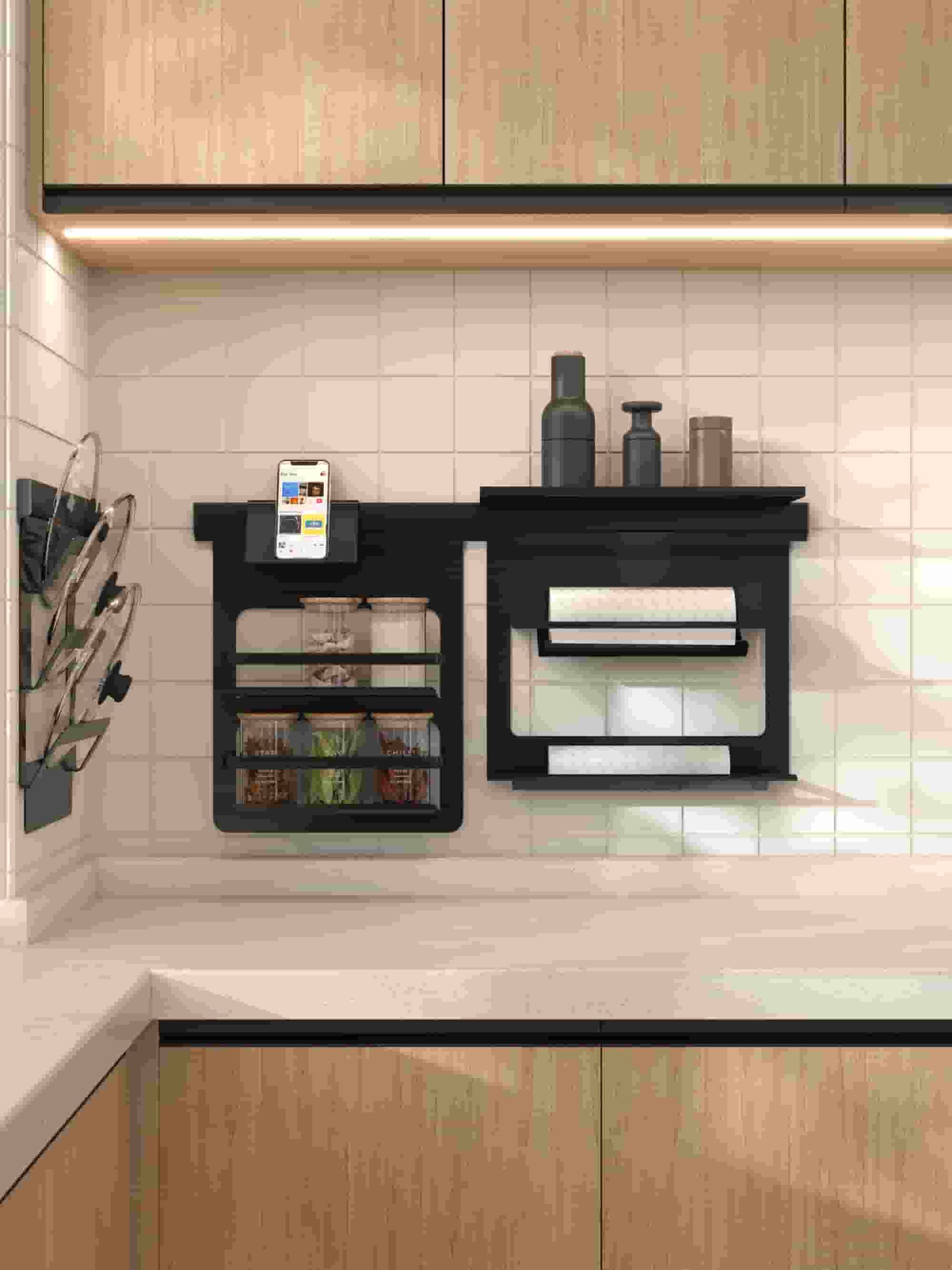
Finding the right kitchen rack can transform a cluttered, frustrating cooking space into a highly organized and efficient environment. Whether you are outfitting a home kitchen or managing a commercial food preparation area, the choice of storage solutions directly impacts workflow, safety, and the longevity of your cookware. With so many options available on the market — from wall-mounted shelving systems to freestanding adjustable units — understanding exactly what to look for before making a purchase decision is essential for every buyer.
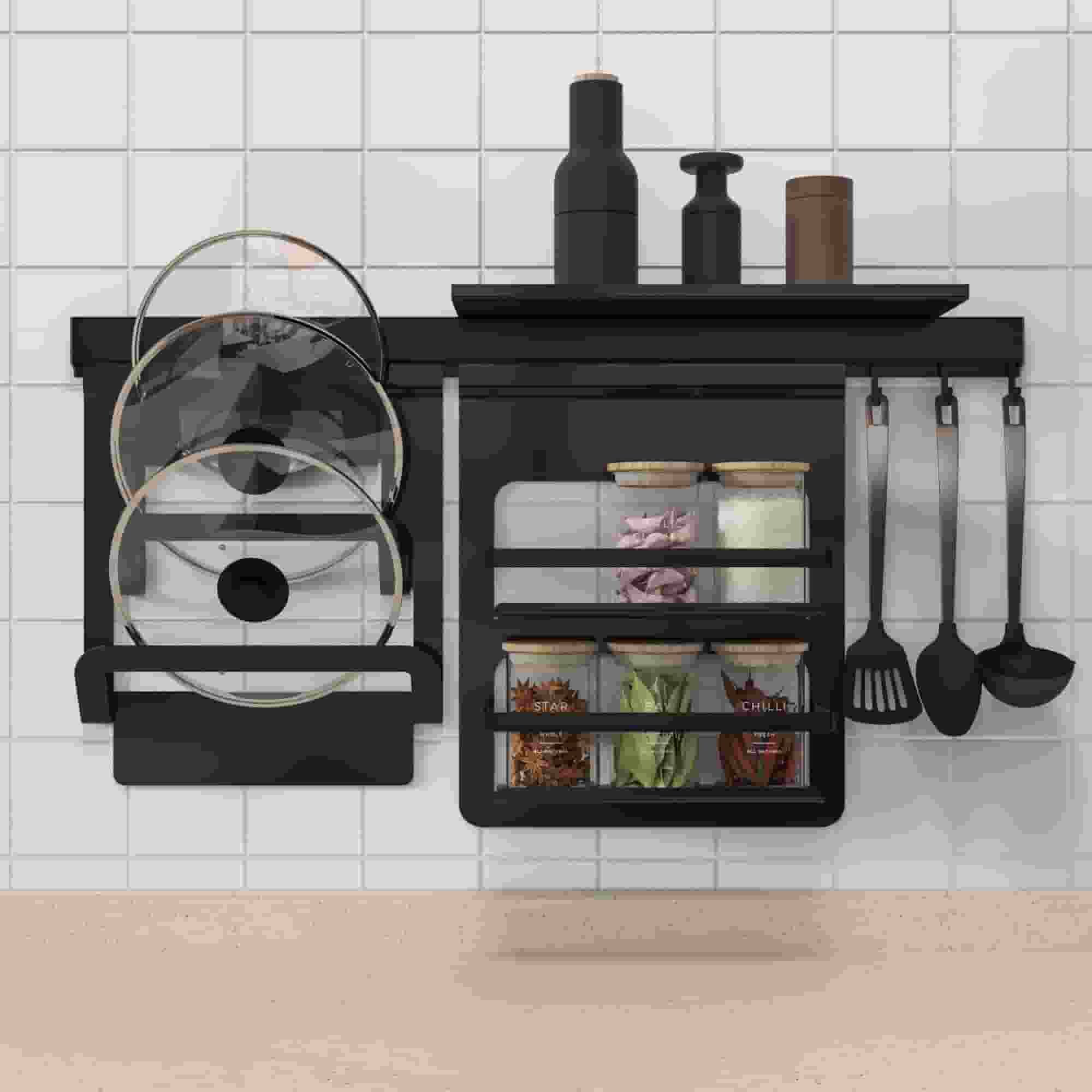
This buyer's guide is designed to walk you through every critical decision point in selecting the perfect kitchen rack. From understanding your space and load requirements to evaluating material quality, adjustability, and long-term durability, each section of this guide delivers actionable guidance grounded in real-world usage. By the end, you will have a clear framework to confidently evaluate any kitchen rack option and choose the one best suited to your specific needs.
Understanding Your Kitchen Space and Storage Needs
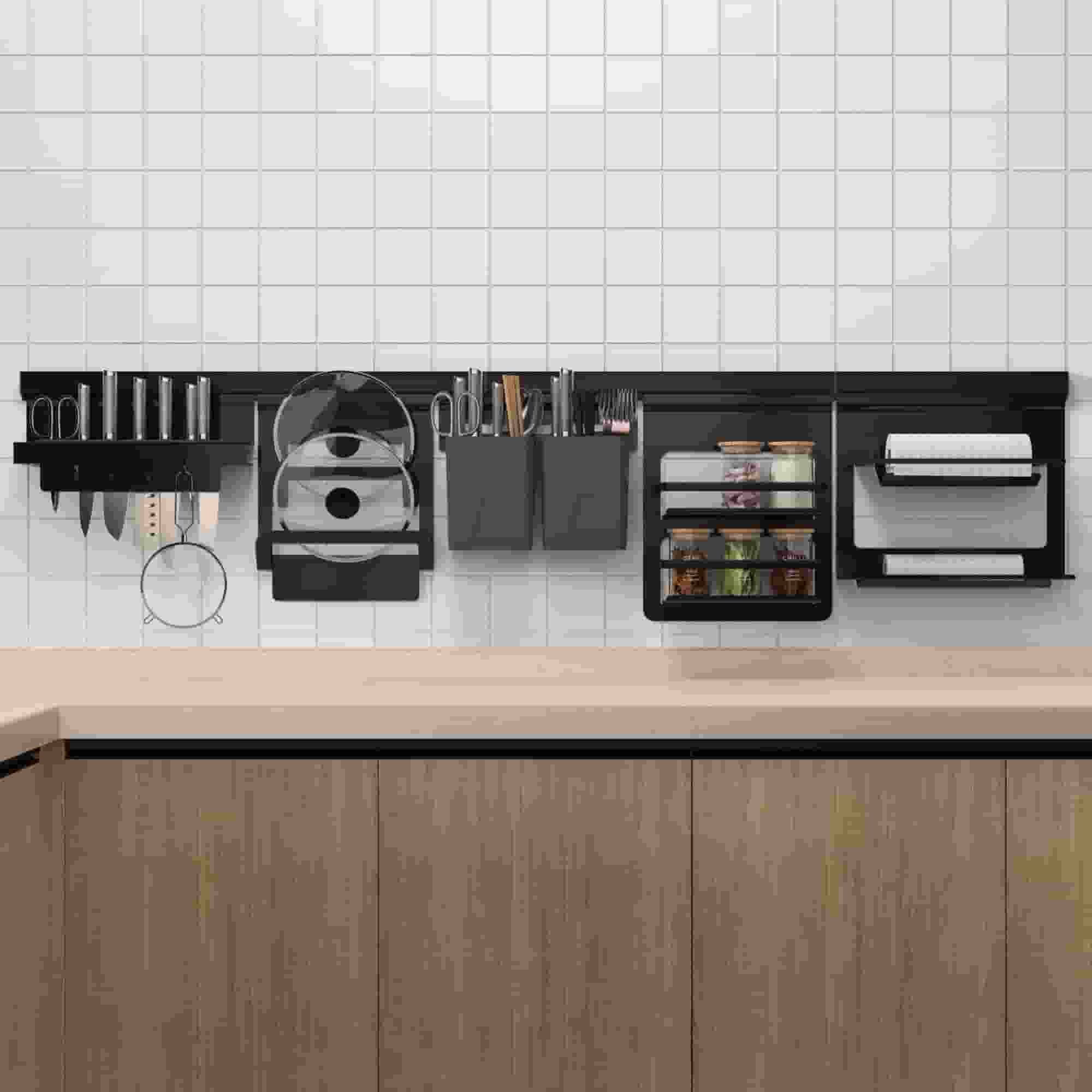
Assessing Available Space Before Selecting a Kitchen Rack
Before comparing products or specifications, the first step in choosing any kitchen rack is a precise assessment of your available space. Measure not only floor area but also vertical clearance, wall space, and proximity to cooking appliances. A kitchen rack that looks ideal in a product photo may not fit comfortably in a narrow galley kitchen or under a low ceiling. Taking accurate measurements before shopping prevents costly returns and installation complications.
Consider how your kitchen is used on a daily basis. High-traffic cooking areas require racks that keep frequently used items within arm's reach without obstructing movement. In contrast, a pantry-style kitchen rack can be positioned away from the primary cooking zone to store less frequently accessed items. Understanding your movement patterns within the kitchen will directly shape whether you need a compact countertop unit, an overhead hanging system, or a freestanding floor rack.
It is also worth mapping out which items will be stored on the kitchen rack. Pots and pans require deeper, sturdier shelves or purpose-built hanging rails. Spice jars and small utensils do well on narrower, tiered solutions. Baking trays and cutting boards benefit from vertical slot-style organizers. Defining your inventory before selecting a rack ensures the product you choose has the right shelf depth, tier count, and accessory compatibility.
Matching Rack Type to Kitchen Layout
Different kitchen layouts call for distinctly different kitchen rack configurations. An open-plan kitchen may benefit aesthetically and functionally from a ceiling-mounted pot rack that doubles as a design feature. A compact apartment kitchen, on the other hand, is often better served by a wall-mounted kitchen rack or a slim over-the-door unit that maximizes vertical space without consuming any floor area.
Island kitchens offer the unique opportunity to install a kitchen rack above the central prep station, making pots, pans, and utensils immediately accessible without requiring the cook to move across the room. For L-shaped or U-shaped kitchens, modular rack systems that can be positioned in corners or along multiple walls offer maximum flexibility. Always match the rack type to the dominant workflow of your kitchen, not simply to what looks attractive in a showroom.
Evaluating Material Quality and Load Capacity
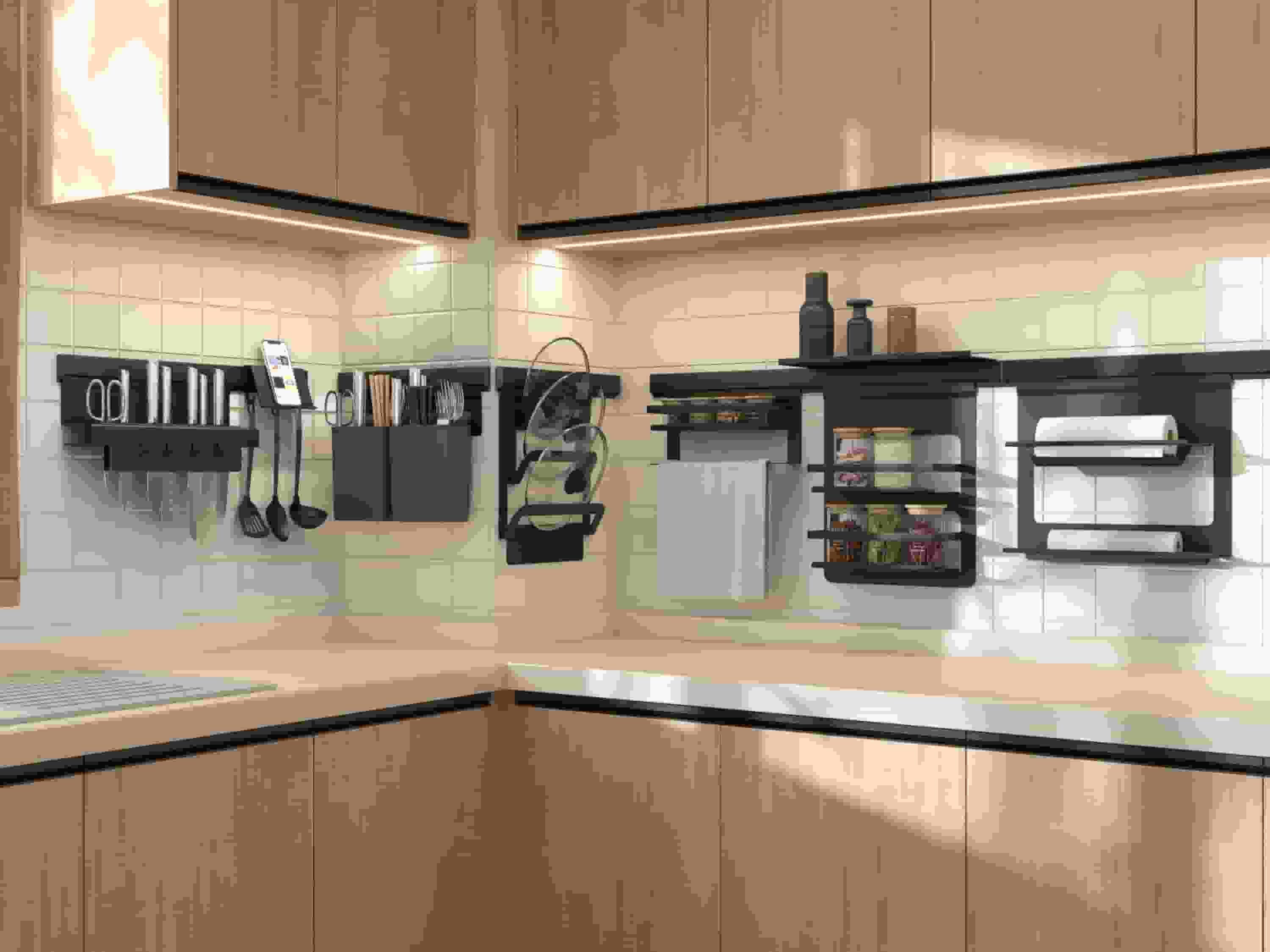
Common Materials Used in Kitchen Rack Construction
The material of a kitchen rack determines not only its visual appeal but also its durability, resistance to moisture and heat, and its ability to support heavy cookware safely. Stainless steel remains the most popular choice for commercial and serious home kitchen applications. It resists corrosion, tolerates exposure to steam and cooking vapors, and is easy to clean. A stainless steel kitchen rack also tends to maintain structural integrity even under significant load over many years of continuous use.
Carbon steel with powder coating is a cost-effective alternative that offers decent strength and a range of finish options, making it popular in home kitchens where aesthetics matter alongside function. However, powder-coated racks must be maintained carefully to prevent chipping, which can expose the underlying metal to rust. Wrought iron kitchen racks offer a traditional, heavy-duty aesthetic and are exceptionally strong, though their weight makes them less practical for wall-mounting without robust anchor support.
Chrome-plated steel and chrome-wire racks are common in budget-oriented kitchen storage products. While they perform adequately for lighter items, chrome surfaces can degrade over time in humid kitchen environments, leading to flaking or rust spots. When choosing a kitchen rack for long-term use, investing in higher-grade stainless steel or powder-coated carbon steel is a more economically sound decision than replacing cheaper units every few years.
Understanding Load Capacity Ratings
Every kitchen rack has a stated load capacity, and understanding this specification is critical for safety and performance. A rack designed to hold small spice jars may have a total load capacity of 15 to 20 kilograms, while a heavy-duty floor rack built for pots, pans, and appliances may be rated for 100 kilograms or more. Always verify that the load capacity of your chosen rack comfortably exceeds the actual weight of the items you intend to store on it.
Load capacity should be assessed at both the individual shelf level and the overall rack level. A kitchen rack might have a total capacity of 80 kilograms but limit each shelf to 20 kilograms. Overloading a single shelf can cause structural failure even if the rack's total rating has not been exceeded. Look for products from suppliers who provide clear per-shelf and total load data, as this level of specification detail typically indicates a more reliable, quality-focused product.
For commercial kitchen environments, load requirements are especially demanding. Professional kitchens may store large cast iron pans, full-size stockpots, and heavy mixing bowls on a single rack. In these scenarios, prioritize racks with welded steel construction rather than bolt-together frames, as welded joints provide far superior load distribution and long-term stability under repeated heavy loading and unloading cycles.
Adjustability, Versatility, and Configuration Options
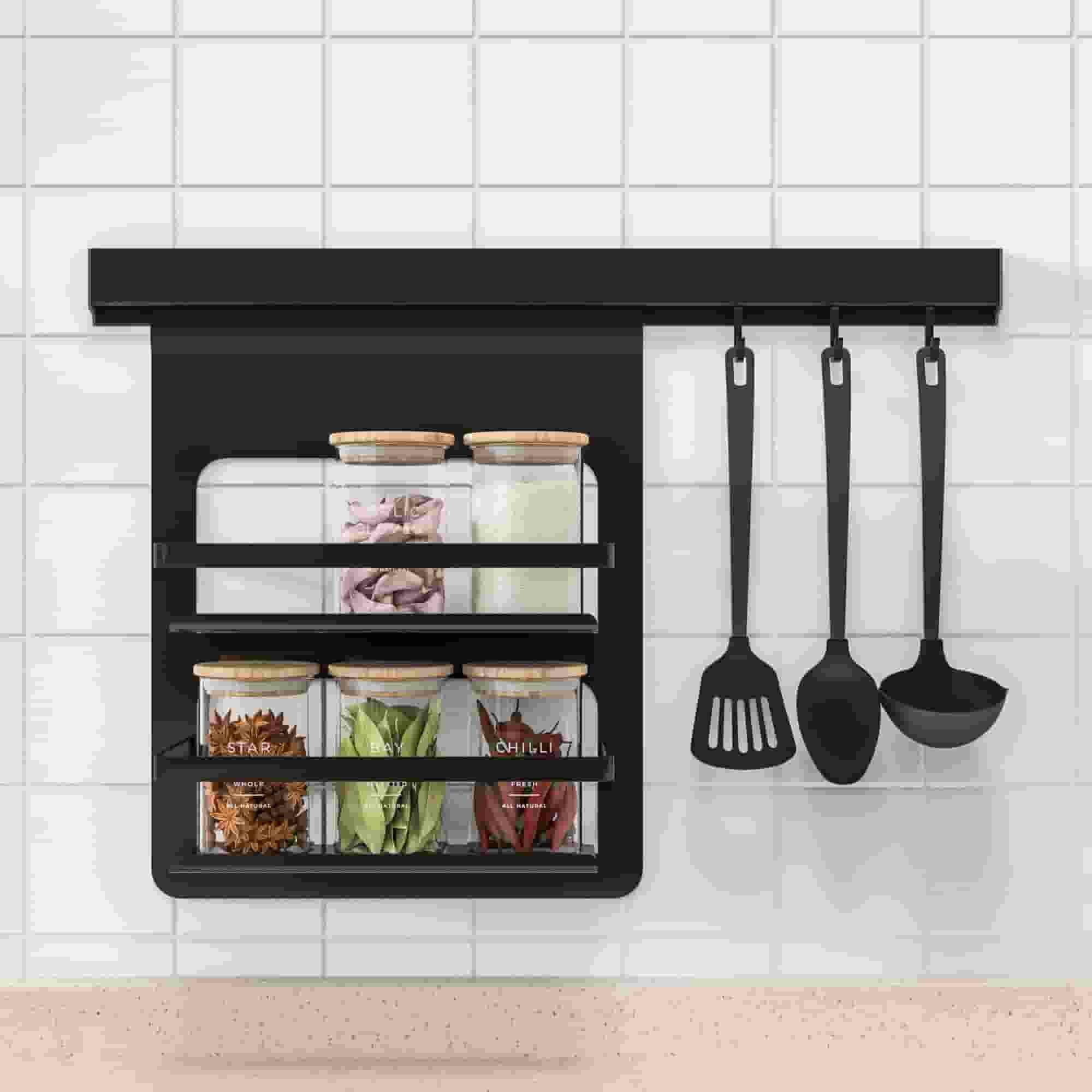
Why Adjustable Shelving Matters in a Kitchen Rack
One of the most valuable features to look for in a kitchen rack is adjustable shelving. Kitchen inventories change over time — new appliances are added, pots are replaced, and storage needs evolve. A rack with fixed shelf heights can quickly become obsolete if taller items need to be stored or if you want to reconfigure the unit for a different category of items. Adjustable shelves allow you to customize the rack to exactly match your current storage demands.
An kitchen rack that offers tool-free shelf height adjustment is particularly convenient in active kitchen environments where configurations may need to change frequently. Slot-based adjustment systems allow shelves to be repositioned easily without dismantling the entire unit, making day-to-day flexibility practical rather than theoretical. This feature is especially useful in households where the kitchen serves multiple functions, such as food preparation, baking, and small appliance storage.
Adjustable racks also offer better value over time. Rather than purchasing multiple single-purpose organizers, a versatile kitchen rack with variable shelf spacing can serve as a centralized storage hub for diverse item types. This reduces the total number of storage products you need to invest in and simplifies the overall organization of your kitchen, contributing to a cleaner and more efficient cooking environment.
Modular and Expandable Kitchen Rack Systems
Modular kitchen rack systems take versatility a step further by allowing users to add or remove sections, side panels, hooks, and accessory attachments as needed. These systems are particularly well-suited to growing kitchens or spaces where storage requirements are difficult to predict in advance. By starting with a core unit and expanding it over time, buyers can manage their upfront investment while retaining the flexibility to scale storage capacity as needed.
When evaluating modular systems, confirm that expansion modules from the same product line are genuinely compatible and consistently available. Some brands introduce new generations of products that are incompatible with older modules, forcing buyers to replace entire systems rather than simply adding components. A kitchen rack system with a long-standing, stable product line and clearly documented compatibility is a safer long-term investment than a cheaper option with uncertain module availability.
Installation, Stability, and Safety Considerations
Choosing Between Freestanding and Wall-Mounted Kitchen Racks
The installation method of a kitchen rack has significant implications for both usability and safety. Freestanding racks require no drilling or permanent attachment and can be repositioned as needed, making them highly practical for renters or those who frequently reorganize their kitchen layout. However, freestanding units must have a wide, stable base and a low center of gravity to prevent tipping when loaded — particularly important in kitchens with children or in high-traffic commercial settings.
Wall-mounted kitchen racks save valuable floor space and can be installed at precisely the height most ergonomically suitable for the user. However, they require secure anchoring into wall studs or using appropriate wall anchors for hollow walls. An improperly anchored kitchen rack can fail under load, presenting a serious hazard. Always follow the manufacturer's installation guidelines and, when in doubt, engage a professional installer to ensure wall-mounted units are fixed securely.
Ceiling-mounted hanging racks, commonly used for pots and pans, require even more careful installation due to the dynamic loads created by swinging cookware. Ensure that ceiling joists or structural beams are located and used as anchor points rather than drywall alone. A properly installed ceiling-mounted kitchen rack is highly stable and highly functional, but the installation process is not one to approach casually.
Anti-Tip and Stability Features to Look For
Stability is non-negotiable in any well-chosen kitchen rack. Look for units with wide foot bases, rubber or non-slip feet, and cross-bracing between vertical posts to prevent racking or lateral movement. Some freestanding kitchen racks also include a wall-anchoring option — a single fastener that connects the top of the rack to the wall for additional security without a full wall-mount installation. This hybrid approach is ideal for tall, heavy-duty units.
Leveling feet are another practical feature, particularly in kitchens with uneven flooring. Adjustable leveling feet allow each corner of the kitchen rack to be individually set to compensate for floor irregularities, ensuring the rack stands perfectly vertical and stable at all times. This feature is especially important in older buildings or kitchens with tiled floors where achieving a perfectly level surface is not always possible.
Finish, Aesthetics, and Maintenance Requirements
Matching the Kitchen Rack Finish to Your Kitchen Style
While function must always take priority, the aesthetic finish of a kitchen rack contributes meaningfully to the overall look and feel of a kitchen. Brushed stainless steel suits contemporary and professional kitchen aesthetics with a clean, industrial appeal. Matte black powder-coated racks have become increasingly popular in modern and minimalist kitchen designs, offering a bold visual contrast against lighter cabinetry and walls. Chrome finishes, while classic, require more maintenance to keep free of fingerprints and water spots.
In open-plan living spaces where the kitchen is visible from living or dining areas, the visual coherence of a kitchen rack with surrounding décor becomes more significant. In dedicated kitchen spaces or commercial kitchens where aesthetics are secondary to performance, prioritizing material durability and load capacity over appearance is the more rational choice. The key is to align the finish decision with the specific context in which the rack will be used and seen.
Cleaning and Long-Term Maintenance of Kitchen Racks
A kitchen rack in a cooking environment is inevitably exposed to grease, steam, moisture, and food particles. Choosing a rack with a smooth, non-porous surface makes routine cleaning far easier. Stainless steel surfaces can be wiped clean with a damp cloth and mild detergent, and they resist staining from most kitchen contaminants. Wire or grid-style racks, while highly functional, require more effort to clean due to the increased surface area and the difficulty of reaching joints and intersections.
Powder-coated finishes should be cleaned gently to avoid chipping or degrading the coating. Avoid using abrasive scrubbers or harsh chemical cleaners on powder-coated kitchen rack surfaces, as these can accelerate deterioration and compromise the rust-protection properties of the coating. A mild soap solution and a soft cloth are typically sufficient for regular maintenance of coated racks.
Periodically inspect your kitchen rack for signs of joint loosening, shelf sag, or surface corrosion. Catching these early prevents more serious structural problems from developing. Tighten any fasteners as needed, address surface rust spots with appropriate touch-up products, and replace worn or damaged components promptly. A well-maintained kitchen rack can easily provide five to ten years of reliable service, making proper care a sound investment in the long-term value of the product.
FAQ
What is the most durable material for a kitchen rack used in heavy-duty cooking environments?
Stainless steel is widely regarded as the most durable material for a kitchen rack in heavy-duty cooking environments. It resists corrosion, tolerates heat and steam, supports high load weights, and is straightforward to clean. For extreme commercial applications, fully welded stainless steel construction offers superior structural integrity compared to bolt-together designs.
How do I determine the right size kitchen rack for my space?
Start by measuring your available floor, wall, or ceiling space and identifying the clearances needed for safe operation. Then list the items you plan to store on the kitchen rack and calculate their combined weight. Cross-reference these figures with the rack's stated dimensions and load capacity to ensure compatibility. Always leave a margin of space above the rack's stated capacity to prevent overloading under normal use.
Is an adjustable kitchen rack better than a fixed-shelf model?
For most buyers, an adjustable kitchen rack offers significantly better long-term value than a fixed-shelf model. Adjustable shelving accommodates items of varying heights, adapts as your storage needs change over time, and eliminates wasted vertical space. Fixed-shelf racks can be suitable when the stored items are uniform in size and the storage configuration is unlikely to change, but adjustability generally provides greater flexibility and utility.
How often should I inspect and maintain my kitchen rack?
A practical maintenance schedule for any kitchen rack includes a light wipe-down after each heavy cooking session and a thorough inspection every three to six months. During these inspections, check for loose fasteners, shelf sag, surface deterioration, and any signs of rust. Addressing minor issues promptly extends the usable life of the rack significantly and ensures that it continues to operate safely under its rated load capacity.