 EN
EN


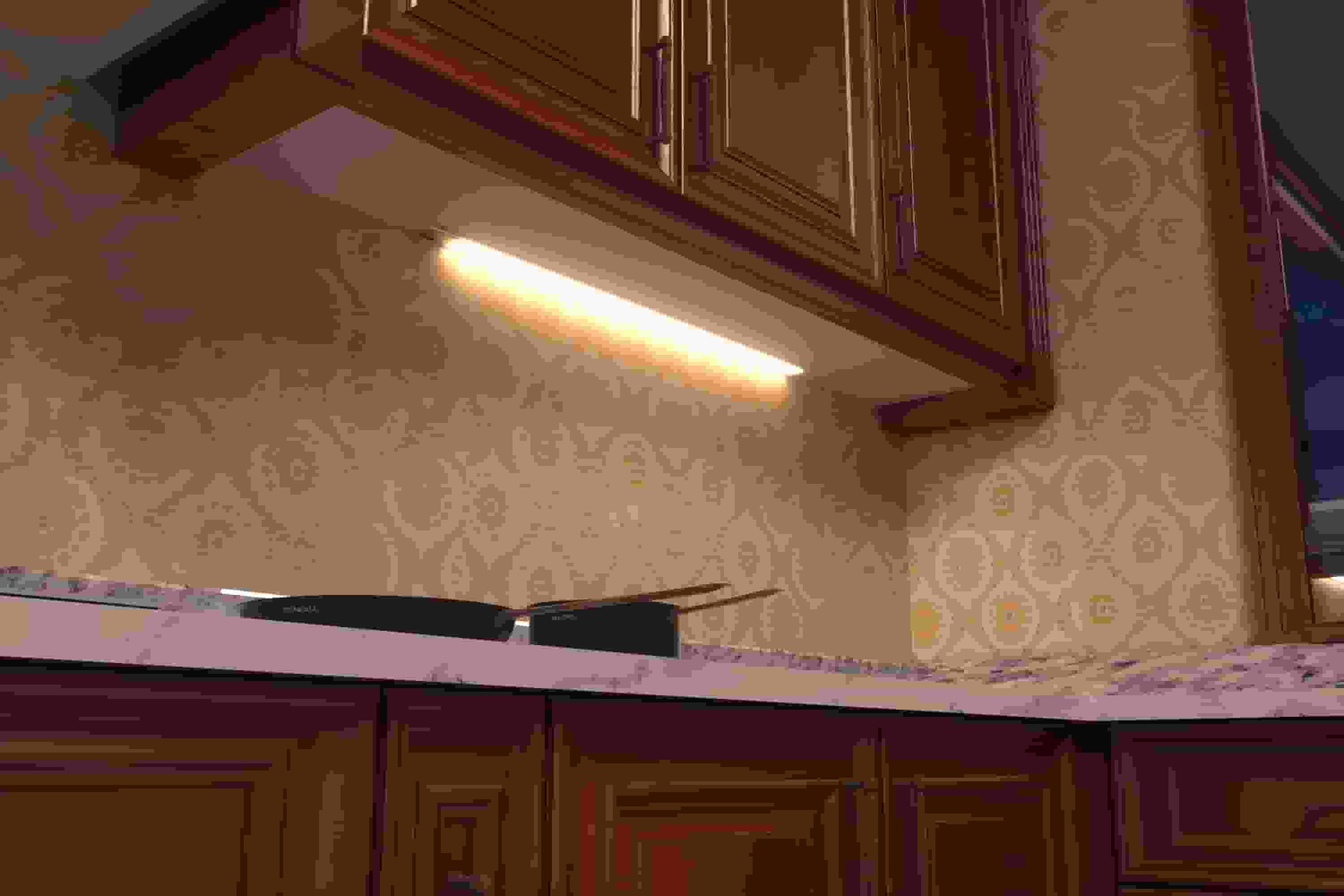
The modern led strip light has evolved far beyond a simple decorative accent. Today's smart versions integrate advanced control systems, precision optics, and energy-efficient technology that make them a serious choice for both residential and commercial lighting projects. Whether you are outfitting a retail display, a kitchen cabinet, or an architectural installation, understanding the core features of a smart led strip light helps you make decisions that deliver lasting value rather than short-term visual appeal.
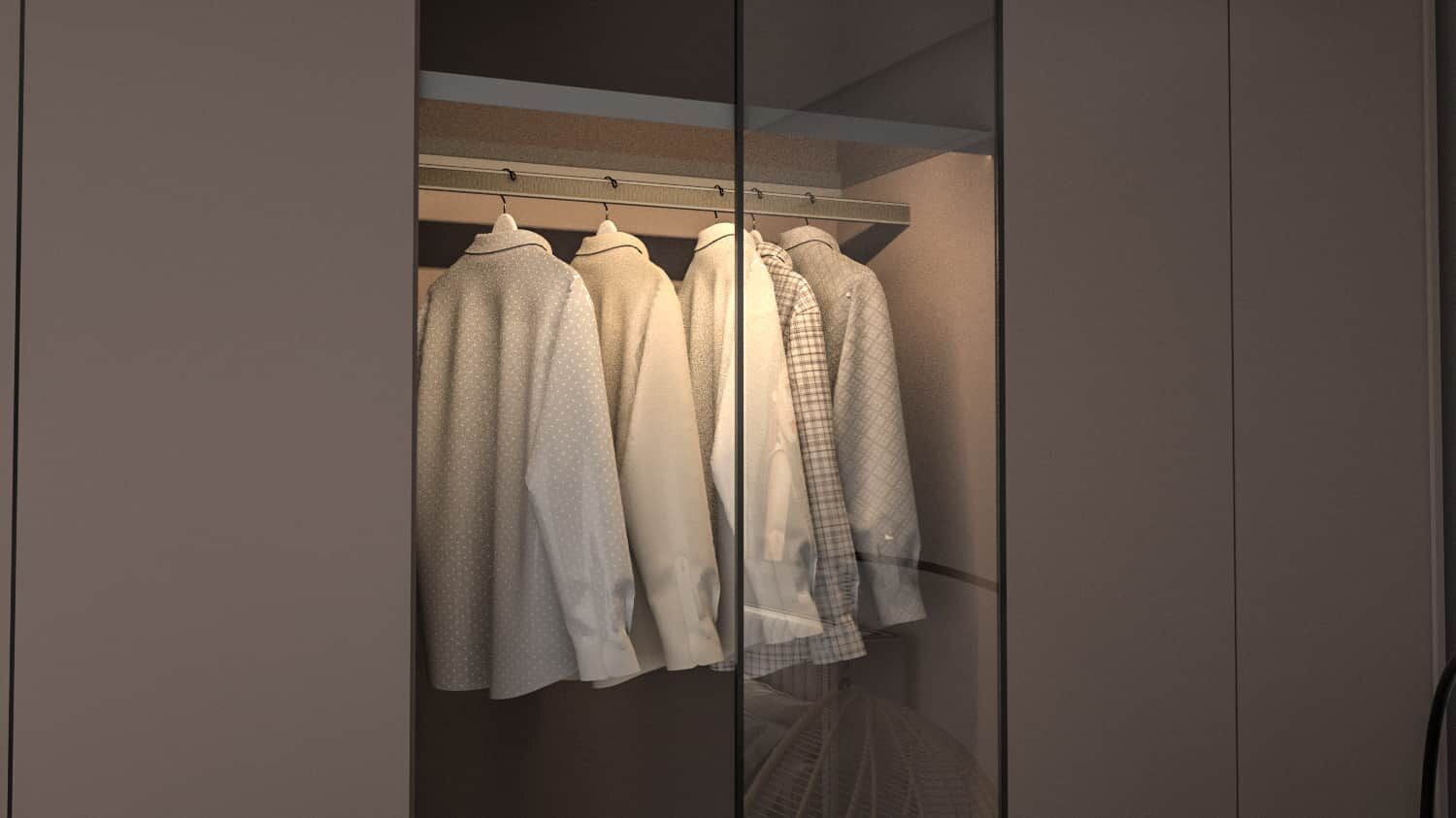
As smart lighting technology matures, the gap between a basic led strip light and a truly intelligent one has widened considerably. Features like tunable color temperature, wireless dimming protocols, and precision diffuser design are no longer luxury add-ons — they are practical requirements for professional-grade installations. This article walks through the key features you need to evaluate before selecting a led strip light for any serious application, so you can match the right product to the right environment with confidence.
Smart Control and Connectivity Features
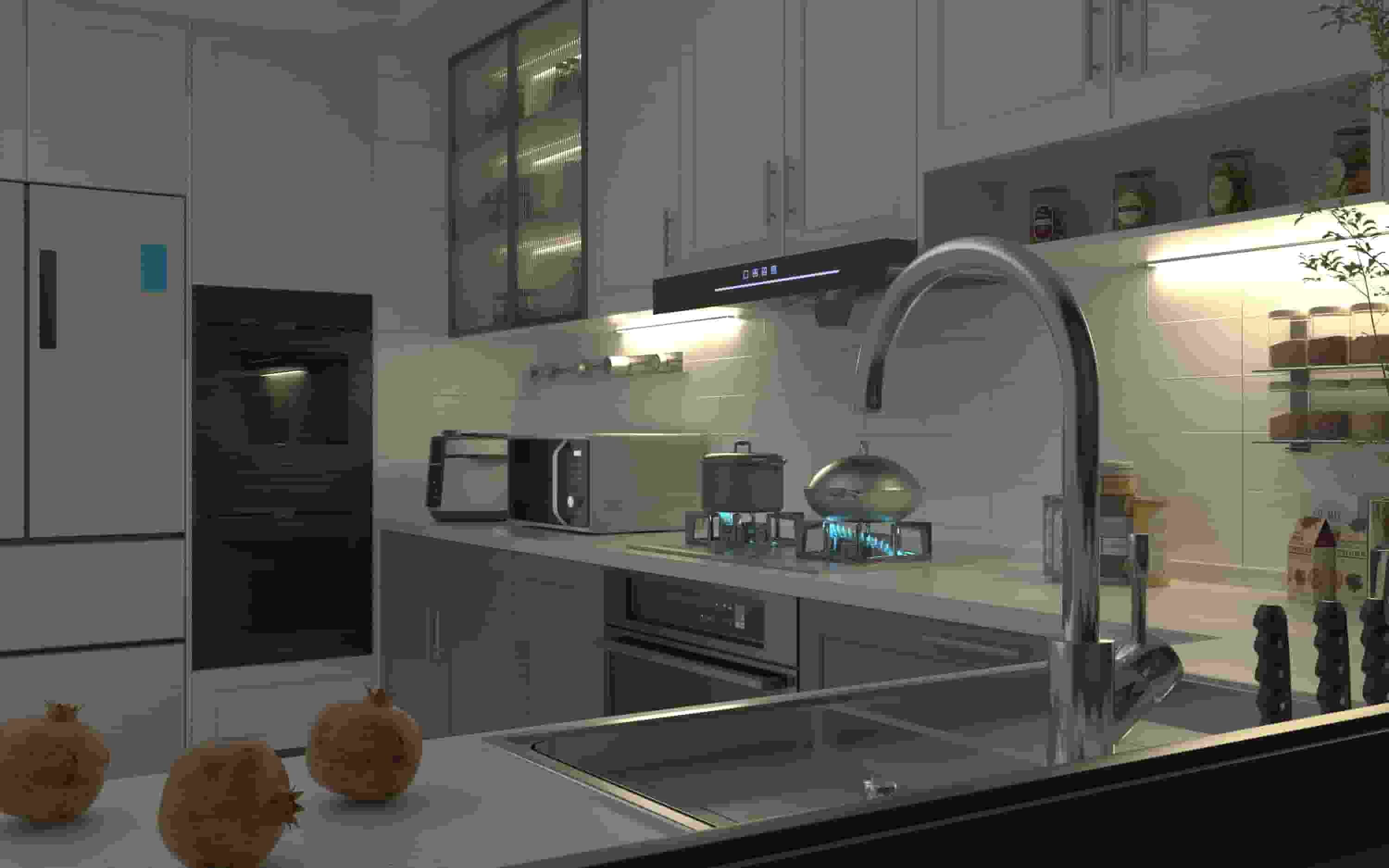
Wireless Dimming and Scene Control
One of the most important features in a smart led strip light is its compatibility with wireless control protocols. Systems that support DALI, Zigbee, Z-Wave, or Bluetooth mesh allow users to adjust brightness, set scenes, and schedule lighting cycles without physical switches. This level of control is especially valuable in commercial environments where lighting needs shift throughout the day.
Dimming performance matters as much as connectivity. A high-quality led strip light should dim smoothly from 100% down to very low levels without flickering or color shift. Flicker-free dimming is not just a comfort feature — it is a health and productivity consideration in workspaces and retail environments where people spend extended hours under artificial light.
When evaluating wireless control options, also consider the ecosystem compatibility of the led strip light. Products that integrate with widely adopted smart home or building management platforms offer greater long-term flexibility, reducing the risk of being locked into a proprietary system that may not scale with your project.
Tunable White and Color Temperature Adjustment
Tunable white technology allows a led strip light to shift its color temperature across a defined range, typically from warm white around 2700K to cool daylight at 6500K. This feature supports circadian lighting strategies, which align artificial light with natural daylight cycles to support human alertness and rest patterns.
In retail and hospitality settings, the ability to adjust color temperature dynamically gives operators precise control over the atmosphere they create. A led strip light with tunable white capability can shift from a warm, inviting tone during evening service to a crisp, energizing tone during daytime operations — all from a single fixture.
For architectural and display applications, consistent color rendering across the tunable range is critical. Look for a led strip light with a high Color Rendering Index, ideally CRI 90 or above, to ensure that materials, products, and surfaces appear true to their actual color regardless of the selected color temperature.
Optical Design and Light Output Quality
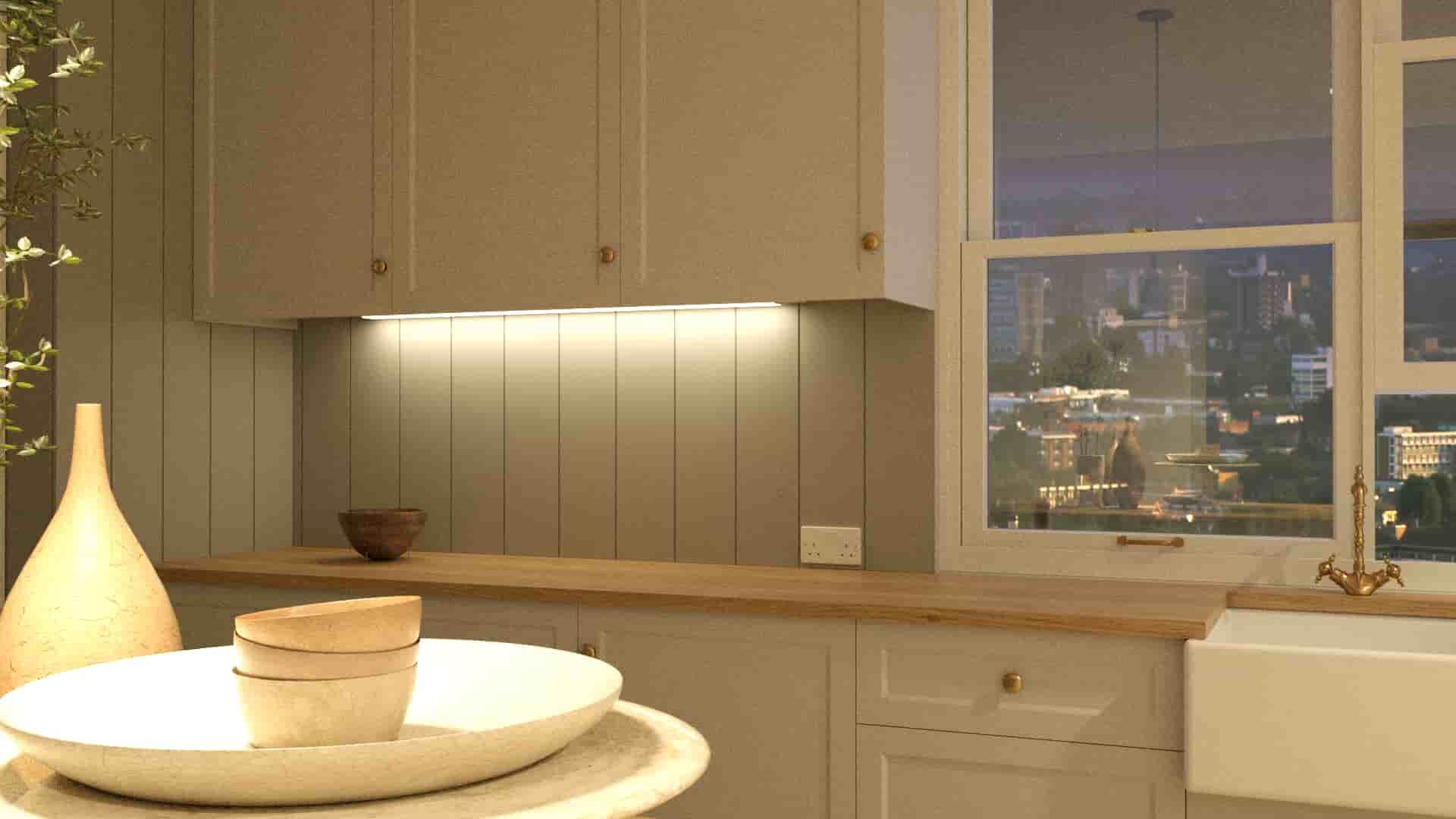
Diffuser Technology and Glare Reduction
The optical quality of a led strip light is largely determined by its diffuser design. A well-engineered diffuser spreads light evenly across the strip's length, eliminating the hot spots and visible LED dots that are common in lower-grade products. For applications where the strip is visible to occupants — such as under-cabinet lighting or cove installations — diffuser quality directly affects the perceived professionalism of the installation.
Inclined or angled diffuser designs offer a specific advantage in recessed or channel-mounted applications. By directing light at a controlled angle rather than straight down, an inclined diffuser can improve surface illumination uniformity and reduce direct glare for people in the space. This makes the led strip light more comfortable to live and work under, particularly in task lighting scenarios.
The material and thickness of the diffuser also affect light transmission efficiency. A diffuser that is too opaque will reduce lumen output significantly, while one that is too transparent will not adequately mask the individual LED chips. The best led strip light designs balance these factors to deliver both visual comfort and efficient light delivery.
Lumen Output and Beam Angle Consistency
Raw lumen output is an important specification, but consistency across the full length of the led strip light matters just as much. Strips that show noticeable brightness variation from one end to the other — often caused by voltage drop in longer runs — create an uneven appearance that undermines the quality of the installation.
Constant current driver technology addresses this issue by maintaining stable current delivery across the entire strip length. When evaluating a led strip light for longer runs, confirm whether the product uses constant current or constant voltage architecture, and check the manufacturer's recommended maximum run length before brightness degradation becomes visible.
Beam angle is another factor that affects how a led strip light performs in practice. Narrow beam angles concentrate light for accent and display applications, while wider angles are better suited to general ambient illumination. Some advanced strips offer adjustable beam angles through interchangeable optical accessories, giving installers greater flexibility across different project types.
Installation Design and Mechanical Features
Quick-Insert and Tool-Free Connection Systems
Installation efficiency is a practical concern that is often overlooked when specifying a led strip light. Traditional soldered connections require skilled labor and add time to every installation. Quick-insert connector systems eliminate this requirement, allowing strips to be connected, extended, or reconfigured without tools or soldering equipment.
For projects involving multiple runs or complex layouts, a led strip light with a reliable quick-insert system can significantly reduce installation time and the risk of connection failures caused by poor soldering technique. This is particularly relevant in commercial fit-out projects where multiple contractors may be involved and installation speed directly affects project cost.
The mechanical robustness of the connector system also matters for long-term reliability. Connectors that maintain consistent contact pressure over time, even in environments with minor vibration or thermal cycling, reduce the likelihood of intermittent faults that are difficult to diagnose and repair after installation is complete.
Channel and Housing Compatibility
A smart led strip light is rarely installed in isolation — it typically sits inside an aluminum channel or extrusion that provides heat dissipation, mechanical protection, and a finished aesthetic. Compatibility between the strip and its housing affects both thermal performance and visual outcome.
Aluminum channels conduct heat away from the LED chips, extending the operational lifespan of the led strip light by keeping junction temperatures within safe limits. Strips installed without adequate thermal management run hotter, which accelerates lumen depreciation and can shorten the product's useful life considerably.
When selecting a led strip light for a specific channel profile, verify that the strip width, diffuser height, and connector positions are compatible with the chosen extrusion. Mismatches between strip and channel dimensions are a common source of installation problems that are avoidable with careful specification at the planning stage.
Energy Efficiency and Longevity Considerations
Efficacy Ratings and Power Consumption
Energy efficiency in a led strip light is measured in lumens per watt, a figure that reflects how much useful light the product produces for each unit of electrical energy consumed. Higher efficacy ratings translate directly into lower operating costs over the product's lifetime, which is a meaningful consideration in commercial installations where strips may run for thousands of hours per year.
Smart led strip light systems with occupancy sensing or daylight harvesting integration can further reduce energy consumption by automatically adjusting output based on real-time conditions. These features are increasingly expected in commercial buildings pursuing energy certification or sustainability targets, and they add measurable value beyond the basic lighting function.
When comparing efficacy figures across different led strip light products, ensure that the comparison is made at the same color temperature and CRI level. Higher CRI LEDs typically have slightly lower efficacy than lower CRI alternatives, so a fair comparison requires consistent specification parameters.
Rated Lifespan and Lumen Maintenance
The rated lifespan of a led strip light is typically expressed as L70, the number of operating hours at which the strip retains at least 70% of its initial lumen output. A product with an L70 rating of 50,000 hours will still deliver adequate light levels after years of continuous use, reducing the frequency and cost of replacement.
Lumen maintenance is influenced by LED chip quality, thermal management, and driver design. A led strip light that runs consistently cool, thanks to good channel design and appropriate power loading, will maintain its output levels more effectively than one that operates near its thermal limits.
For applications where consistent light levels are critical — such as retail display lighting or museum installations — specifying a led strip light with strong lumen maintenance data provides assurance that the visual quality of the installation will remain stable over time without requiring frequent recalibration or replacement.
FAQ
What makes a led strip light 'smart' compared to a standard one?
A smart led strip light includes features like wireless connectivity, dimming control, tunable color temperature, and integration with building management or smart home systems. Standard strips typically offer fixed output with basic on/off switching, while smart versions allow dynamic scene control, scheduling, and energy monitoring through digital protocols.
How do I choose the right diffuser for a led strip light installation?
The right diffuser depends on whether the strip is visible to occupants and the type of light distribution required. For visible installations, a frosted or opal diffuser masks individual LED chips and reduces glare. For task lighting or display applications, an inclined diffuser can direct light more precisely onto the target surface. Always balance diffuser opacity against the lumen output you need to achieve.
What is the recommended maximum run length for a led strip light?
Maximum run length varies by product and depends on the strip's wattage per meter and the driver architecture used. Most constant voltage led strip light products have a recommended maximum run of 5 to 10 meters before voltage drop causes visible brightness variation. For longer runs, use constant current drivers, inject power at multiple points, or use strips specifically rated for extended runs.
How does thermal management affect the lifespan of a led strip light?
Heat is the primary factor that shortens the lifespan of a led strip light. Installing the strip inside an aluminum channel allows heat to dissipate efficiently, keeping LED junction temperatures within safe operating limits. Without adequate thermal management, the strip runs hotter, which accelerates lumen depreciation and can reduce the product's useful life from tens of thousands of hours to a fraction of that figure.