 EN
EN


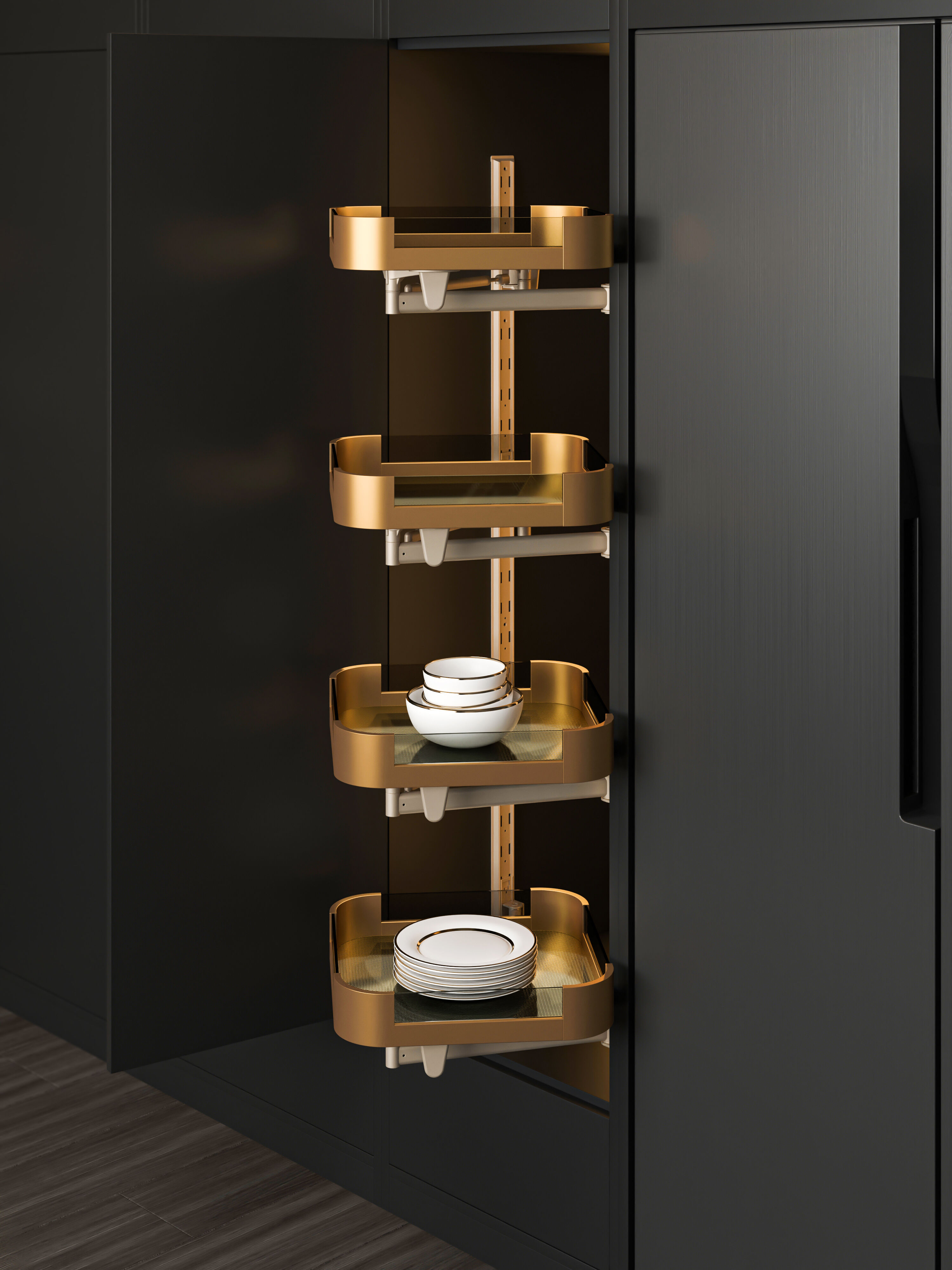
Transform Your Kitchen Storage with an Effective Pantry Organization Solution
A well-organized pantry serves as the heart of an efficient kitchen, bringing order to your cooking space and simplifying meal preparation. Whether you're working with a small closet or a walk-in pantry, implementing the right pantry organizer system can revolutionize how you store and access your food items, kitchen supplies, and cooking essentials. In this comprehensive guide, we'll explore how to select and implement the perfect storage solution that matches your specific needs and lifestyle.
The journey to an organized pantry begins with understanding that no single solution fits all spaces. Your ideal pantry organizer system should reflect your cooking habits, shopping patterns, and the unique dimensions of your storage space. From modular shelving units to custom-built solutions, the options are vast and varied, each offering distinct advantages for different situations.
Essential Components of an Effective Storage System
Shelving and Vertical Space Optimization
The foundation of any successful pantry organizer system starts with proper shelving. Adjustable shelves offer the flexibility to accommodate items of varying heights, while deep shelves maximize storage capacity. Consider installing pull-out shelves or drawer systems that make accessing items at the back effortless. These solutions eliminate the frustration of forgotten items and expired products lurking in dark corners.
Vertical space optimization plays a crucial role in maximizing storage capacity. Installing door-mounted racks or utilizing the full height of your pantry with tall shelving units can dramatically increase your storage space. Remember to keep frequently used items at eye level, heavier items on lower shelves, and lighter, rarely used items on higher shelves.
Container and Bin Solutions
Clear, airtight containers form an integral part of an efficient pantry organizer system. These vessels not only keep dry goods fresh but also allow you to quickly identify contents and monitor inventory levels. Choose square or rectangular containers over round ones to maximize shelf space, and opt for stackable designs to utilize vertical space effectively.
Categorized bins and baskets help group similar items together, making it easier to maintain organization and find what you need quickly. Consider using labeled bins for snacks, baking supplies, and breakfast items. Wire baskets work well for storing fruits and vegetables that don't require refrigeration, while deeper bins can corral packets and pouches that tend to create clutter.
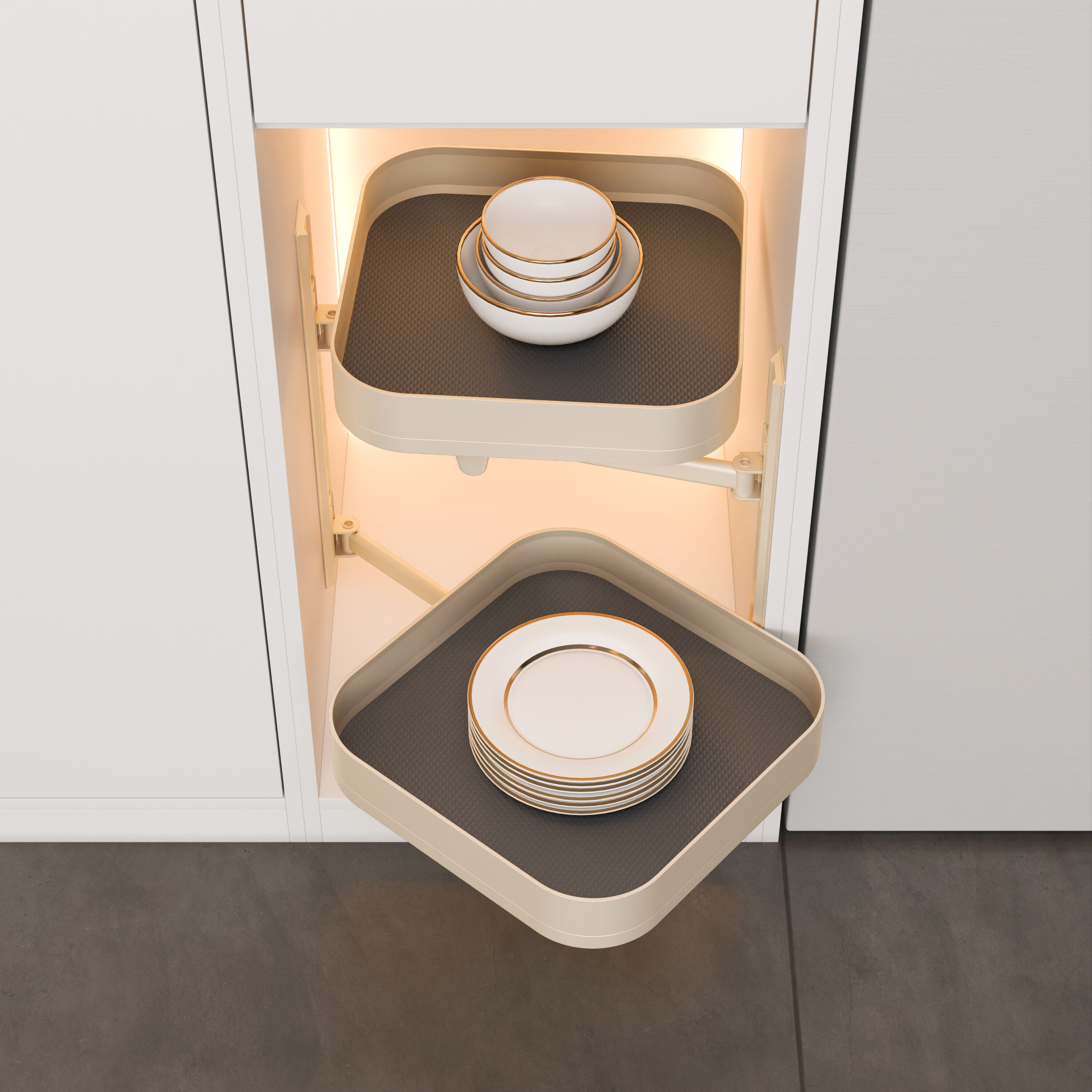
Smart Design Features for Modern Pantries
Lighting and Visibility Solutions
Proper lighting transforms a basic pantry organizer system into a highly functional space. Motion-sensor LED strips or under-shelf lighting ensures every corner is visible, eliminating the need to strain or search for items in shadowy areas. Consider installing battery-operated push lights in areas where hardwiring isn't possible, or explore rechargeable options for flexible lighting solutions.
Enhanced visibility also comes from thoughtful product placement and label organization. Using clear containers with uniform labeling creates a cohesive look while making it easy to locate items quickly. Consider implementing a color-coding system for different food categories or family members' specific dietary needs.
Rotation and Accessibility Features
Modern pantry organizer systems often incorporate features that facilitate proper food rotation and easy access. Lazy Susan turntables work wonderfully in corner spaces and deep cabinets, while pull-out drawers and sliding organizers make it simple to reach items stored at the back of deep shelves. These solutions ensure that older products get used before newer ones, reducing food waste and saving money.
Consider installing tiered shelf organizers or risers to maximize visibility of canned goods and spice containers. These simple additions can transform a cluttered shelf into an easily navigable storage space where every item is visible and accessible.
Customization and Flexibility Considerations
Modular Components for Changing Needs
A well-designed pantry organizer system should adapt to your evolving storage needs. Modular components offer the flexibility to reconfigure your space as your family's needs change or your cooking habits evolve. Look for systems that allow you to add, remove, or adjust components without major renovation or expense.
Consider investing in adjustable shelf dividers, expandable drawer organizers, and stackable containers that can be reconfigured as needed. This adaptability ensures your pantry organizer system remains functional and efficient over time, even as your storage requirements change.
Personal Usage Patterns and Accessibility
Your pantry organizer system should reflect how you and your family use the kitchen. Consider factors such as the height of family members, cooking frequencies, and specific dietary requirements when planning your organization strategy. Create zones based on meal types or preparation methods to streamline cooking activities and make items easily accessible to all family members.
For households with children, incorporate kid-friendly storage solutions at lower levels to encourage independence and help maintain organization. Use break-resistant containers and ensure frequently accessed items are within safe reach.
Maintenance and Organization Strategies
Regular Review and Reset Protocols
Maintaining an organized pantry requires consistent attention and periodic reassessment. Establish a quarterly schedule for reviewing your pantry organizer system's effectiveness. During these reviews, check expiration dates, assess organization patterns, and make necessary adjustments to improve functionality.
Create a system for tracking inventory and maintaining order. This might include keeping a running shopping list, implementing a "first in, first out" rotation system, or using inventory apps to manage pantry contents. Regular maintenance prevents the system from becoming overwhelmed and ensures it continues to serve your needs effectively.
Seasonal Adjustments and Updates
Your pantry organizer system should adapt to seasonal changes in cooking habits and storage needs. Consider adjusting shelf configurations to accommodate holiday baking supplies during festive seasons or reorganizing to store preserves and canned goods during harvest time. These periodic updates help maintain the system's efficiency throughout the year.
Take advantage of seasonal transitions to deep clean your pantry and reassess your organization strategy. This presents an opportunity to donate unused items, refresh storage containers, and implement new organization ideas that better serve your current needs.
Frequently Asked Questions
What is the optimal depth for pantry shelves?
The ideal depth for pantry shelves typically ranges between 14 and 16 inches for upper shelves and up to 20 inches for lower shelves. This depth allows for good visibility and easy access while maximizing storage space. Deeper shelves work well at lower levels for larger items, while shallower shelves at eye level prevent items from getting lost at the back.
How can I maintain organization in a shared pantry space?
Success in maintaining a shared pantry organizer system relies on clear communication and established zones for different users or purposes. Implement a labeling system, assign specific areas to different family members or roommates, and establish basic rules for maintaining order. Regular family meetings to discuss organization needs and challenges can help keep everyone committed to maintaining the system.
What are the best materials for pantry storage containers?
The most effective materials for pantry storage containers are BPA-free clear plastic, glass, and food-grade acrylic. These materials offer visibility, durability, and airtight sealing capabilities. Glass containers work well for dry goods and are eco-friendly, while plastic options are lighter and less prone to breakage. Choose containers with secure, airtight lids to maintain food freshness and prevent pest infestations.
How often should I reorganize my pantry system?
A complete pantry reorganization should be performed every 3-4 months, with minor adjustments and maintenance done weekly or bi-weekly. Regular quick tidying sessions help maintain order, while quarterly deep cleanings provide opportunities to check expiration dates, clean containers, and reassess the effectiveness of your pantry organizer system. This schedule helps prevent major organizational breakdowns and ensures your system continues to meet your needs efficiently.