 EN
EN
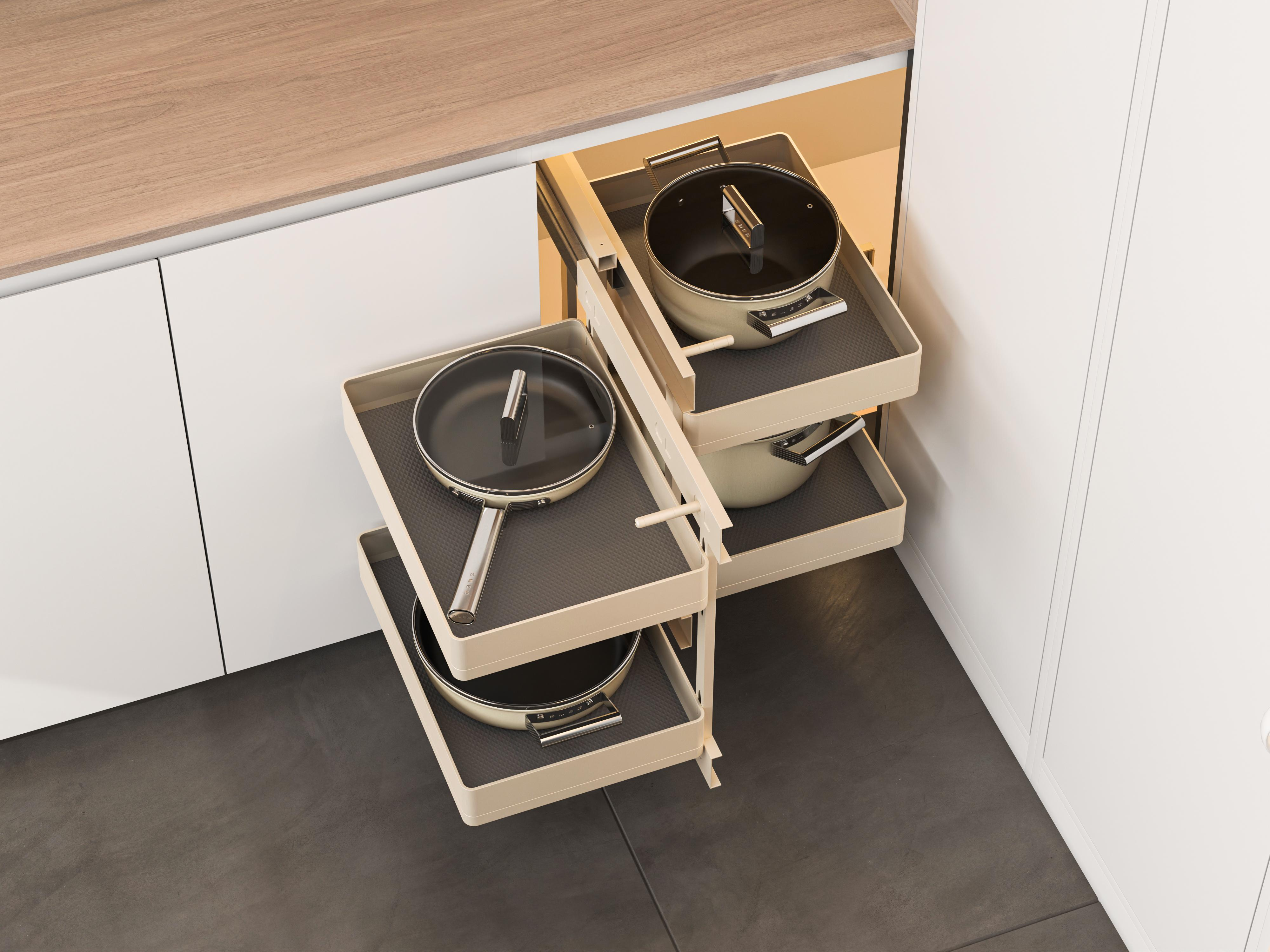
Kitchen storage solutions have evolved dramatically over the past decade, with homeowners increasingly seeking innovative ways to maximize every square inch of their culinary spaces. Among the most challenging areas to optimize are corner cabinets, which traditionally have been difficult to access and often result in wasted storage potential. Modern kitchen design has introduced several clever solutions to address this common problem, with the magic corner system emerging as a revolutionary alternative to conventional cabinet configurations.
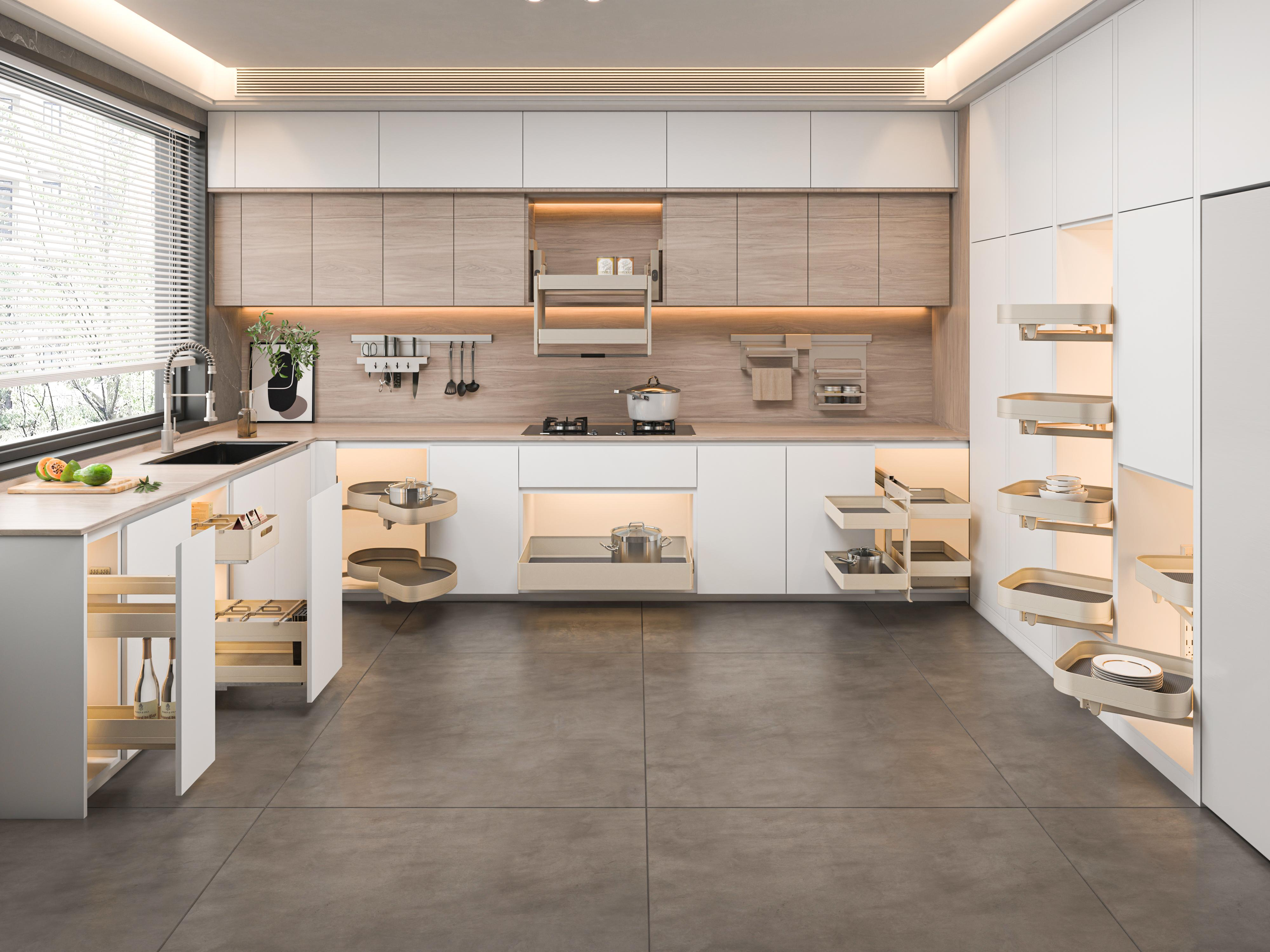
The decision between implementing a magic corner solution and sticking with traditional cabinet designs requires careful consideration of multiple factors including kitchen layout, storage needs, budget constraints, and long-term functionality goals. This comprehensive analysis will explore the key differences, advantages, and potential drawbacks of each approach to help you make an informed decision for your kitchen renovation or new construction project.
Understanding Magic Corner Technology
Innovative Mechanisms and Design Principles
The magic corner represents a significant advancement in kitchen storage engineering, utilizing sophisticated sliding and rotating mechanisms to provide full access to corner cabinet interiors. Unlike traditional lazy Susan systems or fixed shelving arrangements, these units feature interconnected baskets that pull out smoothly and completely, eliminating the need to reach deep into dark corners or shuffle items around to access stored goods.
The technology typically incorporates high-quality ball-bearing slides, precision-engineered pivot points, and carefully calibrated weight distribution systems to ensure smooth operation even when fully loaded. Most premium systems can support substantial weight loads while maintaining effortless operation, making them suitable for storing heavy cookware, small appliances, and bulk pantry items without compromising functionality.
Installation Requirements and Compatibility
Successful magic corner implementation requires specific cabinet dimensions and door configurations to function optimally. The system typically needs a minimum cabinet opening width and precise door alignment to ensure the pull-out mechanism operates without interference. Professional installation is generally recommended due to the complexity of the mounting hardware and the critical importance of proper adjustment for long-term reliability.
Cabinet manufacturers have developed various magic corner configurations to accommodate different kitchen layouts, including left-hand and right-hand opening options, different basket sizes, and adjustable height settings. These variations ensure compatibility with most standard cabinet dimensions while providing flexibility for custom kitchen designs and specific storage requirements.
Traditional Cabinet Advantages and Limitations
Cost-Effective Storage Solutions
Traditional corner cabinets offer several compelling advantages, particularly for budget-conscious homeowners and those seeking simple, reliable storage solutions. The straightforward construction typically involves fixed shelving or basic lazy Susan mechanisms, resulting in significantly lower initial costs compared to sophisticated magic corner systems. This affordability makes traditional cabinets an attractive option for rental properties, starter homes, or kitchen renovations with tight budget constraints.
The simplicity of traditional corner cabinet design also translates to reduced maintenance requirements and fewer potential failure points over time. With minimal moving parts and straightforward construction, these cabinets can provide decades of reliable service with basic care, making them particularly suitable for households that prioritize longevity and low maintenance over advanced functionality.
Accessibility Challenges and Space Utilization
Despite their cost advantages, traditional corner cabinets present significant accessibility challenges that can frustrate daily kitchen use. The deep corners created by standard cabinet configurations often become dead zones where items get lost or forgotten, leading to inefficient space utilization and reduced storage effectiveness. Reaching items stored in the back corners typically requires removing other items first, creating inconvenience during meal preparation and cleanup activities.
The limited visibility and awkward reach angles associated with traditional corner cabinets can also create safety concerns, particularly for elderly users or individuals with mobility limitations. The need to lean deep into cabinets or stretch around obstacles increases the risk of strain injuries and makes these storage areas less practical for frequently used items.
Performance Comparison and User Experience
Daily Functionality and Convenience Factors
The user experience differences between magic corner systems and traditional cabinets become most apparent during regular kitchen activities. Magic corner units provide intuitive access to stored items through smooth pull-out motions that bring contents directly to the user, eliminating the need for awkward reaching or item rearrangement. This enhanced accessibility significantly improves kitchen workflow efficiency and reduces the time spent searching for specific items during meal preparation.
Traditional cabinet users often develop workaround strategies to manage accessibility limitations, such as storing frequently used items in more accessible locations and reserving corner spaces for rarely needed equipment. While these adaptations can improve functionality to some degree, they represent compromises that may not fully utilize available storage capacity or provide optimal convenience for daily kitchen operations.
Storage Capacity and Organization Benefits
Effective storage capacity extends beyond simple cubic footage to include practical accessibility and organizational capabilities. Magic corner systems typically provide superior usable storage space by making the entire cabinet interior easily accessible, allowing homeowners to store items at full depth without creating accessibility issues. The organized basket system also facilitates better categorization and inventory management compared to traditional deep shelf arrangements.
The visibility advantages of magic corner systems contribute significantly to their organizational benefits, as users can easily see and access all stored items without moving other contents. This transparency reduces food waste from forgotten items and helps maintain better inventory control, particularly valuable for bulk purchases and pantry management in active households.
Investment Considerations and Long-Term Value
Initial Cost Analysis and Budget Planning
The financial investment required for magic corner installation typically ranges from three to five times the cost of traditional corner cabinet solutions, making budget considerations a primary decision factor for many homeowners. This price differential includes both the specialized hardware costs and professional installation requirements, which must be factored into overall kitchen renovation budgets alongside other premium features and finishes.
However, the cost analysis should extend beyond initial installation expenses to consider long-term value propositions including enhanced kitchen functionality, improved storage efficiency, and potential impact on property values. Luxury kitchen features like magic corner systems often contribute to overall home marketability and can provide partial cost recovery during resale, particularly in competitive real estate markets where kitchen quality significantly influences buyer decisions.
Maintenance Requirements and Durability Expectations
Long-term ownership costs include ongoing maintenance requirements and potential repair expenses associated with each storage solution type. Magic corner systems incorporate precision mechanical components that may require periodic adjustment, lubrication, or replacement over time, particularly in high-use kitchens where daily operation gradually affects moving parts performance.
Quality magic corner systems from reputable manufacturers typically include comprehensive warranties covering both hardware components and installation workmanship, providing protection against premature failure and ensuring reliable operation during the warranty period. Traditional cabinet systems, while requiring minimal maintenance, offer fewer advanced features and may require complete replacement to achieve comparable functionality improvements.
FAQ
What are the main advantages of magic corner systems over traditional corner cabinets
Magic corner systems provide significantly improved accessibility by bringing stored items directly to the user through smooth pull-out mechanisms, eliminating the need to reach deep into corners or move other items to access contents. They maximize usable storage space, improve organization through visible basket systems, and enhance kitchen workflow efficiency during daily cooking and cleaning activities.
How much additional cost should I expect for magic corner installation
Magic corner systems typically cost three to five times more than traditional corner cabinet solutions, including both specialized hardware and professional installation requirements. The exact cost varies based on system quality, cabinet dimensions, and local labor rates, but the investment often provides long-term value through improved functionality and potential property value enhancement.
Do magic corner systems require special cabinet dimensions or modifications
Most magic corner systems require specific cabinet opening dimensions and door configurations to function properly, though manufacturers offer various sizes to accommodate standard cabinet dimensions. Professional installation ensures proper fit and adjustment, and many systems can be retrofitted into existing cabinets with appropriate modifications to door arrangements and internal mounting points.
Are magic corner systems reliable for long-term daily use
High-quality magic corner systems from established manufacturers are engineered for daily use and typically include comprehensive warranties covering both hardware and installation. While they incorporate more mechanical components than traditional cabinets, proper installation and occasional maintenance ensure reliable operation for many years, even in active kitchen environments with frequent use.