 EN
EN


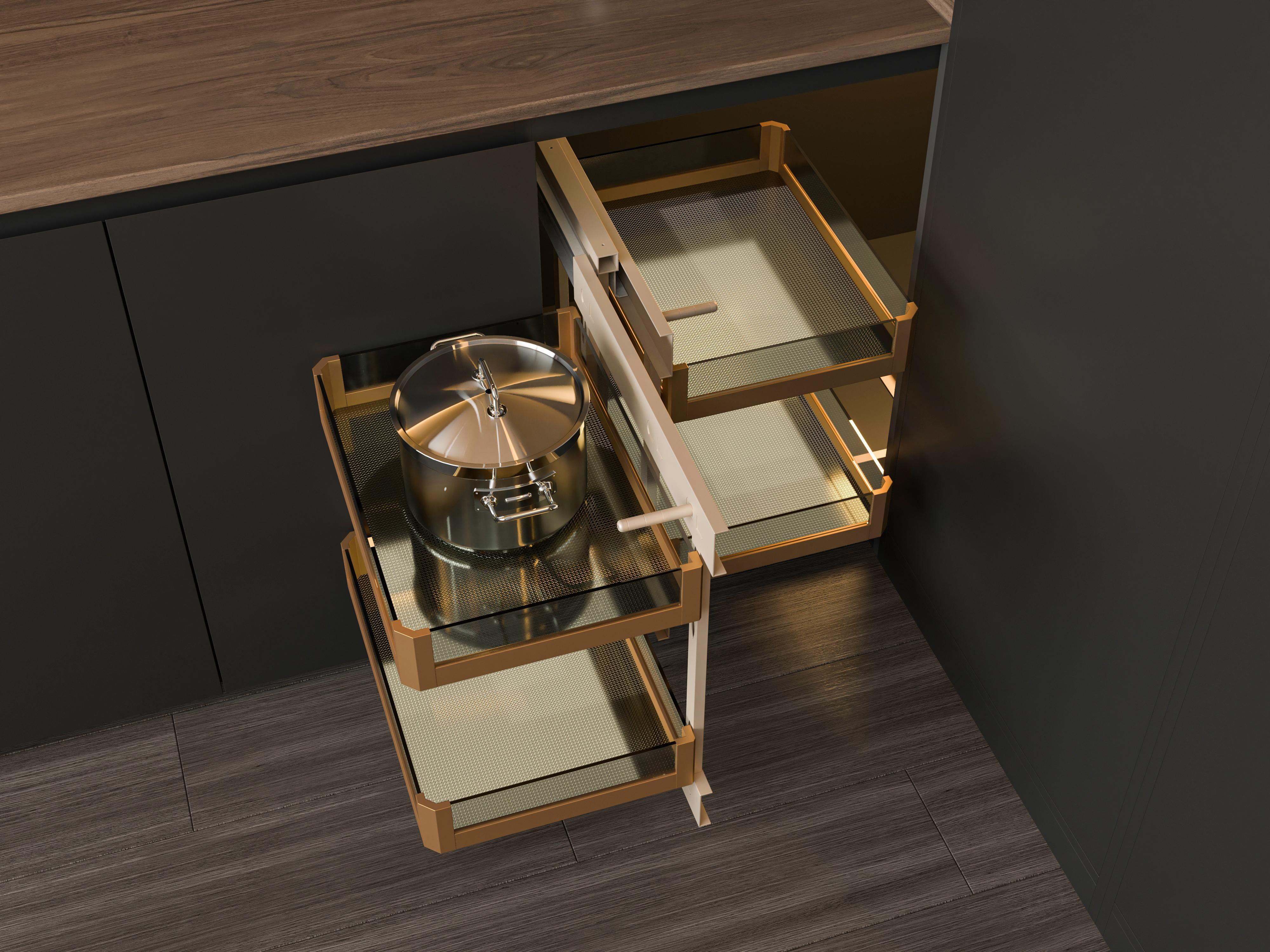
Kitchen corner cabinets have long presented a challenge for homeowners seeking to maximize storage space efficiently. These awkward spaces often become black holes where items disappear, making it difficult to access stored goods and utilize the full potential of your kitchen storage. Traditional corner cabinet designs frequently waste valuable space, leaving homeowners frustrated with dead zones that could otherwise serve functional purposes. Modern kitchen design has evolved to address these concerns through innovative storage solutions that transform previously unusable areas into highly functional spaces.
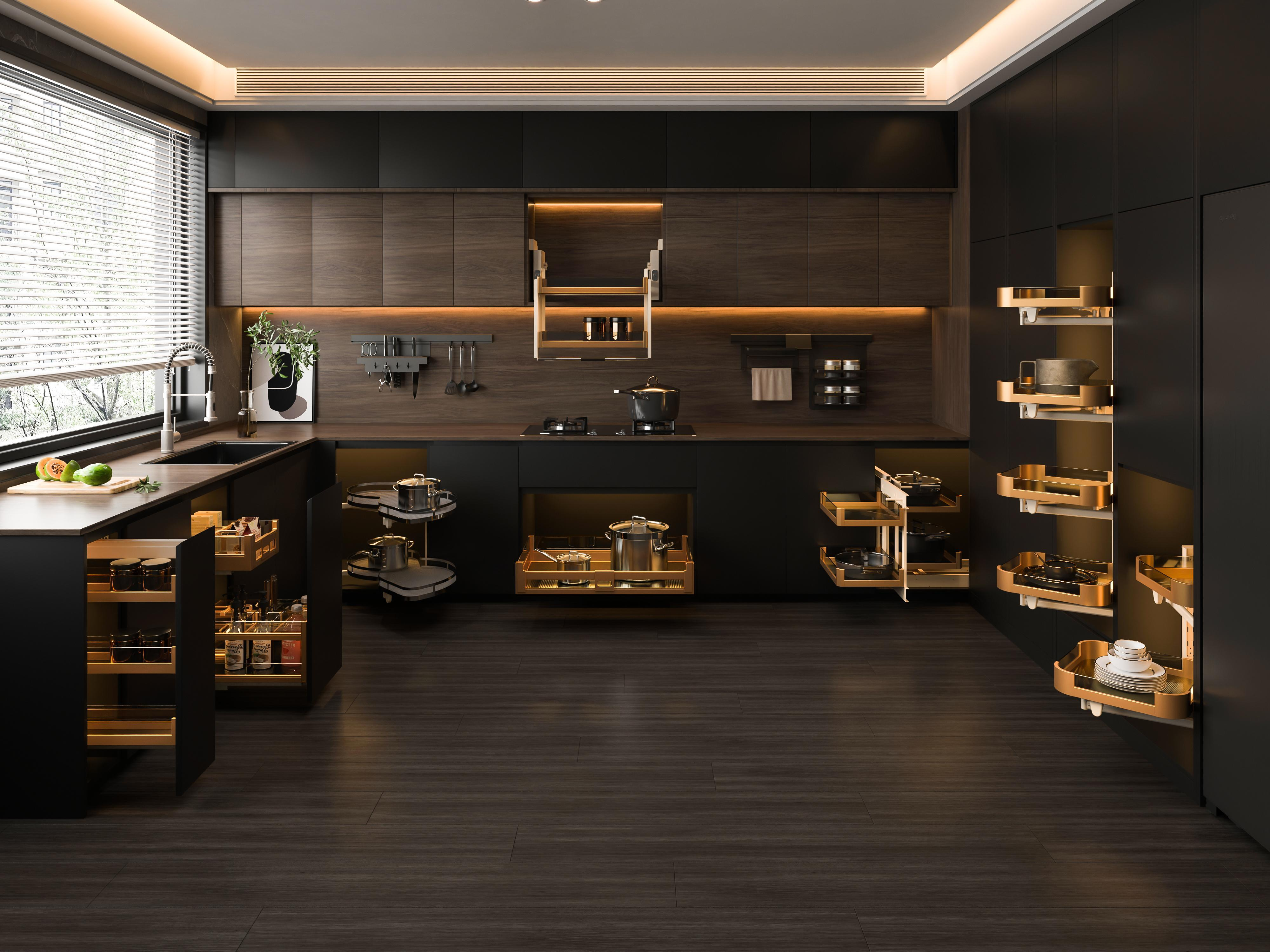
Contemporary cabinet solutions have revolutionized how we approach corner storage, offering sophisticated mechanisms that bring items within easy reach. These innovative systems eliminate the need to crawl into cabinets or strain to reach items stored in the back corners. Professional kitchen designers now recognize corner optimization as a critical component of efficient kitchen planning, ensuring every square inch serves a practical purpose while maintaining aesthetic appeal.
Understanding Corner Cabinet Challenges
Common Storage Problems
Standard corner cabinets typically suffer from several fundamental design flaws that limit their effectiveness. The L-shaped configuration creates blind spots where items become virtually inaccessible once placed behind the corner intersection. Many homeowners find themselves purchasing duplicate items because they cannot locate things stored in these problematic areas. The depth of corner cabinets also means that items placed toward the back require significant effort to retrieve, often resulting in underutilized storage capacity.
Traditional fixed shelving in corner cabinets compounds these accessibility issues by creating static storage that cannot adapt to different item sizes or usage patterns. Items stored on deep shelves often get pushed back and forgotten, leading to waste and inefficiency. The standard door configuration on most corner cabinets only allows access to a fraction of the available storage space, leaving valuable cubic footage unused and inaccessible.
Impact on Kitchen Functionality
Poorly designed corner storage directly affects overall kitchen workflow and efficiency. When essential items are difficult to access, cooking becomes more time-intensive and frustrating. Professional chefs and home cooks alike recognize that easy access to cookware, ingredients, and tools is fundamental to maintaining an efficient cooking environment. Corner cabinets that function as dead storage zones disrupt the natural flow of kitchen activities and can significantly impact meal preparation times.
The psychological impact of disorganized corner storage extends beyond mere inconvenience. Homeowners often avoid using these spaces entirely, effectively reducing their available storage by twenty to thirty percent in many kitchen layouts. This avoidance behavior leads to overcrowding in other cabinet areas and contributes to general kitchen disorganization. The stress of dealing with inaccessible storage can diminish the overall enjoyment of cooking and entertaining in the home environment.
Revolutionary Storage Solutions
Advanced Mechanism Design
Modern corner storage solutions utilize sophisticated sliding and rotating mechanisms that bring items directly to the user. These systems feature precision-engineered hardware that operates smoothly even under heavy loads, ensuring reliable performance over years of daily use. The engineering behind these mechanisms incorporates ball-bearing systems and high-quality materials that maintain smooth operation while supporting substantial weight capacity. Professional-grade hardware ensures that these systems can handle the demands of busy kitchens without compromising performance or durability.
The magic corner systems represent the pinnacle of corner storage innovation, featuring multiple independently moving shelves that swing out in sequence. These mechanisms allow users to access every inch of corner storage without having to reach into dark recesses or move other items. The sequential movement ensures that each shelf level remains accessible regardless of what is stored on other levels, maximizing both capacity and convenience.

Installation and Integration
Professional installation of advanced corner storage systems requires precise measurements and expert knowledge of cabinet construction principles. The integration process involves careful coordination between existing cabinet structures and new hardware components to ensure seamless operation. Qualified installers must account for door clearances, adjacent cabinet interference, and proper weight distribution to guarantee optimal performance. The installation process typically involves reinforcing existing cabinet structures to support the additional hardware and moving components.
Modern corner solutions are designed to integrate with various cabinet styles and configurations, making them suitable for both new construction and renovation projects. The adaptability of these systems allows them to work with different door styles, cabinet depths, and existing hardware configurations. Professional installers can customize the solutions to match specific kitchen layouts and user requirements, ensuring that each installation maximizes the available space while maintaining aesthetic consistency with the existing kitchen design.
Maximizing Storage Efficiency
Capacity Optimization Strategies
Strategic organization within corner storage systems can dramatically increase effective capacity beyond the simple mechanical improvements. Understanding the optimal placement of different item types ensures that the system functions at peak efficiency while providing convenient access to frequently used items. Heavy items should be positioned on lower, more stable shelves, while lighter frequently-accessed items benefit from placement on more accessible upper levels. This strategic approach to organization maximizes both storage capacity and user convenience.
Implementing a systematic approach to corner storage organization involves categorizing items by usage frequency and size requirements. Seasonal items or infrequently used appliances can occupy the deeper recesses of the storage system, while daily-use items should be positioned for immediate access. The multi-tier nature of advanced corner systems allows for sophisticated organization schemes that adapt to individual cooking habits and storage preferences. Professional organizers often recommend dedicating specific shelves to particular item categories to maintain long-term organization effectiveness.
Maintenance and Longevity
Regular maintenance of corner storage mechanisms ensures continued smooth operation and extends the lifespan of the investment. The precision hardware used in these systems benefits from periodic cleaning and lubrication according to manufacturer specifications. Professional-grade systems typically require minimal maintenance when properly installed, but following recommended care procedures prevents premature wear and ensures reliable operation. Users should familiarize themselves with proper loading techniques to avoid overloading individual shelves or creating imbalanced conditions that could affect mechanism performance.
Quality corner storage systems are built to withstand decades of regular use when properly maintained and operated within design parameters. The investment in professional-grade hardware pays dividends through years of reliable service and continued convenience. Regular inspection of mounting hardware, sliding mechanisms, and support structures helps identify any developing issues before they impact system performance. Most manufacturers provide comprehensive warranties and support services to ensure long-term customer satisfaction with their corner storage solutions.
Design Integration and Aesthetics
Seamless Kitchen Integration
Contemporary corner storage solutions are engineered to integrate seamlessly with existing kitchen aesthetics while providing superior functionality. The hardware components are typically concealed within the cabinet structure, maintaining clean sight lines and preserving the intended design aesthetic. Advanced systems coordinate with various door styles, cabinet finishes, and hardware selections to ensure visual continuity throughout the kitchen space. Professional designers often specify corner solutions that complement the overall kitchen design while addressing specific storage challenges.
The visual impact of well-designed corner storage extends beyond mere functionality to enhance the overall kitchen experience. When corner spaces function efficiently, the entire kitchen feels more organized and spacious. The psychological benefits of knowing that every storage area is both accessible and functional contribute to a more pleasant cooking environment. Modern corner systems eliminate the visual clutter associated with poorly organized corner spaces, creating a more streamlined and professional appearance throughout the kitchen.
Customization Options
Advanced corner storage systems offer extensive customization options to match specific user requirements and preferences. Shelf configurations can be adjusted to accommodate different item types, from large pots and pans to small kitchen gadgets and pantry items. The modular nature of many systems allows for future reconfiguration as storage needs evolve or kitchen usage patterns change. Professional installation teams can recommend optimal configurations based on individual cooking habits and storage requirements.
Material selections for corner storage components can be coordinated with existing kitchen finishes to maintain design consistency. Options typically include various wood species, metal finishes, and synthetic materials that match cabinet interiors and hardware selections. The ability to customize component finishes ensures that corner storage solutions enhance rather than detract from the overall kitchen aesthetic. Quality manufacturers offer extensive finish options and can often provide custom matching services for unique or specialty cabinet finishes.
FAQ
How much additional storage space can corner solutions provide
Advanced corner storage systems typically increase accessible storage capacity by sixty to eighty percent compared to traditional fixed shelving configurations. The exact improvement depends on the specific system design and cabinet dimensions, but most homeowners experience dramatic improvements in both capacity and accessibility. The rotating or sliding mechanisms ensure that virtually all available cubic footage becomes usable, eliminating the dead zones common in traditional corner cabinets.
Are corner storage systems suitable for existing kitchens
Most corner storage solutions can be retrofitted into existing kitchen cabinets with proper professional installation. The process typically requires some modification to existing cabinet structures and hardware, but experienced installers can adapt most systems to work with various cabinet configurations. Pre-installation assessment helps determine compatibility and any necessary modifications to ensure optimal performance and integration with existing kitchen elements.
What maintenance requirements do these systems have
Quality corner storage systems require minimal routine maintenance beyond occasional cleaning and periodic lubrication of moving components. Most manufacturers recommend annual inspection of mounting hardware and mechanism components to ensure continued proper operation. The precision engineering of professional-grade systems typically provides years of maintenance-free operation when installed correctly and used within design parameters.
How do corner solutions compare cost-wise to kitchen renovation
Installing advanced corner storage represents a fraction of the cost associated with full kitchen renovation while providing significant functional improvements. The return on investment is typically substantial, both in terms of improved daily convenience and potential home value enhancement. Professional-grade corner solutions offer long-term value through durability and continued performance, making them a cost-effective upgrade for most kitchen improvement projects.