 EN
EN


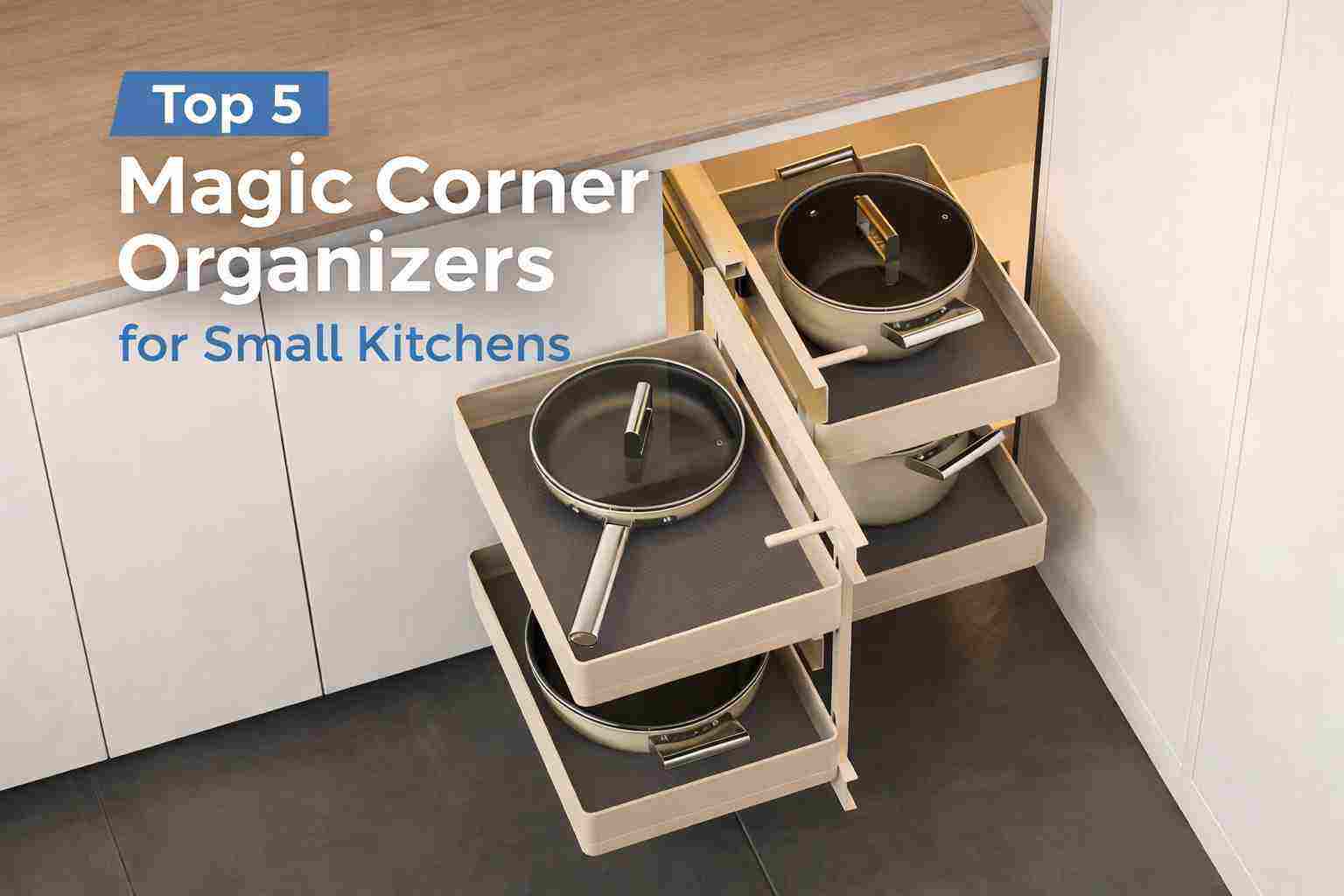
Small kitchens present unique storage challenges, particularly when it comes to maximizing every square inch of available space. Corner cabinets often become forgotten zones where items disappear into dark recesses, making efficient storage seem impossible. A magic corner solution transforms these problematic areas into highly functional storage spaces, revolutionizing how homeowners approach kitchen organization. These innovative systems pull out completely, providing full access to items stored in the deepest corners while maintaining the sleek appearance of traditional cabinetry.
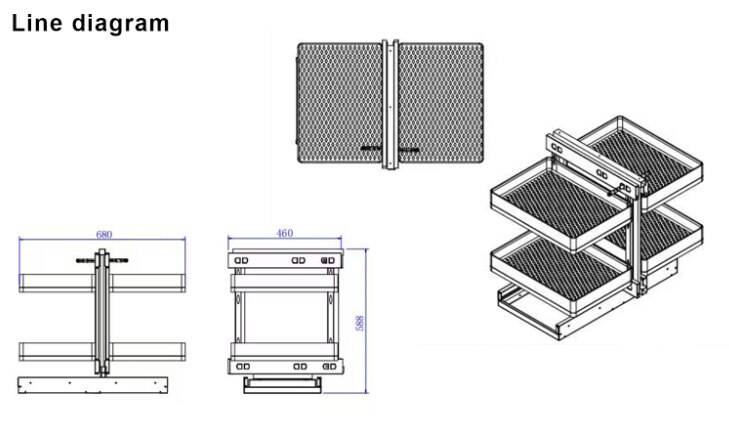
Modern kitchen design emphasizes functionality without compromising aesthetics, and magic corner organizers perfectly embody this philosophy. These systems feature smooth-operating mechanisms that extend shelving units completely outside the cabinet, eliminating the need to reach into dark corners or remove other items to access stored goods. The engineering behind these units combines durability with user-friendly operation, making them suitable for daily use in busy kitchens. Installation typically requires minimal modifications to existing cabinetry, making them an attractive upgrade option for homeowners seeking improved storage efficiency.
Understanding Magic Corner Technology
Mechanical Design Principles
The foundation of every effective magic corner system lies in its mechanical engineering, which must balance smooth operation with robust load-bearing capacity. High-quality units utilize precision-engineered rails and pivot points that distribute weight evenly across the mechanism, preventing sagging or binding during operation. The magic corner design incorporates multiple connection points between shelving units and the cabinet framework, ensuring stability even when fully loaded with heavy items like small appliances or canned goods.
Advanced magic corner systems feature soft-close mechanisms that prevent slamming while providing controlled, smooth retraction into the cabinet space. These damping systems protect both the mechanism itself and stored items from impact damage, extending the operational lifespan of the entire unit. The engineering specifications typically include weight ratings ranging from 60 to 150 pounds per shelf, accommodating various storage needs from lightweight pantry items to heavy cookware collections.
Material Construction Standards
Premium magic corner organizers utilize high-grade materials designed to withstand the demanding environment of kitchen use, including exposure to moisture, temperature fluctuations, and frequent operation. Stainless steel components resist corrosion while providing the strength necessary for smooth operation under load, while powder-coated finishes offer additional protection against wear and environmental factors. Wire basket construction typically employs heavy-gauge steel with specialized coatings that prevent rust formation even in humid conditions.
The integration between metal framework and mounting hardware represents a critical aspect of magic corner durability, with quality units featuring reinforced connection points and oversized fasteners. Plastic components, when present, utilize high-impact materials that resist cracking and degradation over time. These material choices directly impact the long-term performance and reliability of the magic corner system, making quality construction a key consideration for homeowners investing in kitchen storage solutions.
Space Optimization Strategies
Maximizing Storage Density
Effective magic corner implementation requires strategic planning to achieve maximum storage density while maintaining accessibility to all stored items. The multi-tier design of quality systems creates distinct storage zones for different categories of items, from frequently used cooking essentials on easily accessible upper shelves to less-used appliances on lower levels. This vertical organization approach multiplies available storage space compared to traditional fixed shelving arrangements.
Smart magic corner utilization involves grouping similar items together while considering usage frequency and weight distribution across available shelving. Heavy items should occupy lower shelves to maintain system stability, while lightweight but frequently accessed items benefit from placement on upper, easily reachable levels. The full extension capability of quality magic corner systems ensures that even items stored toward the back remain easily accessible, eliminating the common problem of forgotten corner cabinet contents.
Integration with Existing Cabinetry
Successful magic corner installation requires careful consideration of existing cabinet dimensions, door configurations, and internal obstacles that might interfere with system operation. Professional measurement and planning ensure that the selected magic corner unit operates smoothly within the available space while maximizing storage capacity. Door swing clearances, adjacent drawer operation, and countertop overhang all factor into the selection and installation process.
The aesthetic integration of magic corner systems maintains the kitchen's visual continuity while dramatically improving functionality. Quality units feature finishes that complement existing cabinet hardware and interior surfaces, creating a cohesive appearance that suggests original factory installation. Custom sizing options allow precise fitting within non-standard cabinet openings, ensuring optimal performance regardless of kitchen configuration or age.
Installation Considerations
Professional versus DIY Installation
Magic corner installation complexity varies significantly between different system types and existing cabinet configurations, influencing whether professional installation represents the optimal approach. Complex units with multiple pivot points and precise alignment requirements often benefit from professional installation to ensure smooth operation and longevity. Professional installers possess specialized tools and experience that enable proper adjustment of the magic corner mechanism for optimal performance.
DIY installation becomes feasible with simpler magic corner designs and when working with standard cabinet dimensions and configurations. Quality manufacturers provide detailed installation instructions and templates that guide the installation process, while online resources offer additional support for common installation challenges. The decision between professional and DIY installation should consider the complexity of the specific magic corner system, available tools, and the installer's mechanical aptitude.
Preparation and Measurement Requirements
Accurate measurement represents the foundation of successful magic corner installation, requiring precise documentation of cabinet interior dimensions, door clearances, and any existing hardware that might interfere with operation. The magic corner system must operate within these constraints while providing maximum storage capacity and smooth operation. Professional measuring techniques account for cabinet tolerances and potential settling that might affect long-term operation.
Cabinet preparation often involves removing existing shelving, cleaning mounting surfaces, and potentially reinforcing attachment points to support the increased load capacity of the magic corner system. The installation process typically requires temporary door removal to provide adequate working space and prevent damage during installation. Proper preparation ensures that the magic corner unit integrates seamlessly with existing cabinetry while delivering years of reliable performance.
Maintenance and Longevity
Routine Care Procedures
Regular maintenance of magic corner systems focuses on cleaning, lubrication, and inspection procedures that preserve smooth operation and extend service life. The exposed nature of wire basket construction facilitates easy cleaning with standard household cleaners, while the mechanism itself benefits from periodic inspection for wear or misalignment. Proper maintenance prevents the accumulation of debris that might interfere with the magic corner operation or cause premature wear of moving components.
Lubrication requirements vary between different magic corner designs, with some units featuring sealed bearings that require no maintenance while others benefit from periodic application of appropriate lubricants. The cleaning schedule should account for kitchen usage patterns and the types of items stored within the magic corner system, with more frequent cleaning required for units storing potentially messy items or operating in high-use environments.
Troubleshooting Common Issues
Common magic corner operational issues typically stem from overloading, misalignment, or debris accumulation rather than fundamental design failures. Binding or sticking during operation often indicates either excessive weight loading or the presence of debris within the track system, both of which respond to appropriate corrective measures. The magic corner mechanism should operate smoothly throughout its range of motion without requiring excessive force or producing unusual noises.
Adjustment procedures for magic corner systems typically involve fine-tuning mounting hardware and pivot points to restore smooth operation and proper alignment. Quality units include adjustment provisions that accommodate normal settling and wear while maintaining optimal performance characteristics. Understanding these adjustment procedures enables homeowners to address minor issues before they develop into more significant problems requiring professional intervention or component replacement.
Cost-Benefit Analysis
Investment Considerations
The financial investment in quality magic corner systems should be evaluated against the substantial improvement in kitchen functionality and storage capacity they provide. Premium units command higher initial costs but typically offer superior durability, smoother operation, and longer service life compared to budget alternatives. The magic corner investment becomes particularly attractive when considering the alternative costs of kitchen renovation or expansion to address storage shortfalls.
Long-term value considerations include the potential increase in home resale value resulting from improved kitchen functionality and organization. Modern homebuyers increasingly value efficient storage solutions, making magic corner systems a potentially valuable home improvement investment. The durability of quality systems ensures that the magic corner investment provides years of improved functionality without requiring replacement or significant maintenance expenses.
Comparative Storage Solutions
Alternative corner storage solutions, including lazy Susans, static shelving, and diagonal drawers, offer different advantages and limitations compared to magic corner systems. Traditional lazy Susan systems provide rotating access but typically waste significant corner space and limit storage capacity for larger items. The magic corner approach maximizes available space utilization while providing superior accessibility compared to these alternative solutions.
Static shelving systems offer lower initial costs but severely limit accessibility to stored items, particularly those placed toward the back of deep corner cabinets. The magic corner design eliminates these accessibility issues while maintaining competitive storage density, making it an attractive upgrade option for homeowners experiencing frustration with existing corner storage arrangements. The improved functionality often justifies the additional investment required for quality magic corner installation.
FAQ
What weight capacity should I expect from a quality magic corner system
Quality magic corner systems typically support 60-150 pounds per shelf, depending on the specific model and construction materials. Heavy-duty commercial-grade units can accommodate even higher loads, while standard residential models provide sufficient capacity for typical kitchen storage needs including small appliances, canned goods, and cookware. Always verify weight specifications with the manufacturer and distribute loads appropriately across available shelving to maintain smooth operation and prevent premature wear.
Can magic corner organizers be installed in existing cabinets
Most magic corner systems can be retrofitted into existing corner cabinets with minimal modifications, though specific compatibility depends on cabinet dimensions, door configurations, and internal obstacles. Professional measurement and evaluation help determine the best magic corner solution for existing cabinetry while identifying any necessary modifications. Some cabinet reinforcement might be required to support the increased load capacity and operational stresses of the new system.
How do magic corner systems compare to lazy Susan alternatives
Magic corner systems offer superior space utilization and accessibility compared to traditional lazy Susan designs, which often waste significant corner space and limit storage options for larger items. The full-extension capability of magic corner units provides complete access to all stored items without the rotation limitations and potential for items falling off that characterize lazy Susan systems. While initial costs may be higher, the improved functionality and storage capacity often justify the investment.
What maintenance is required for magic corner mechanisms
Regular magic corner maintenance involves cleaning wire baskets and mechanism components, inspecting for wear or damage, and occasional lubrication of moving parts according to manufacturer specifications. Most quality units require minimal maintenance beyond normal cleaning, with sealed bearing systems eliminating the need for regular lubrication. Proper loading practices and avoiding overweight conditions significantly extend the service life and maintain smooth operation of magic corner systems.