Radar Microwave Sensor Technology: Advanced Detection Solutions for Security and Automation

Get a Free Quote

Our representative will contact you soon.
Email
WhatsApp/Mobile
Name
Company Name
Message
0/1000

radar microwave sensor

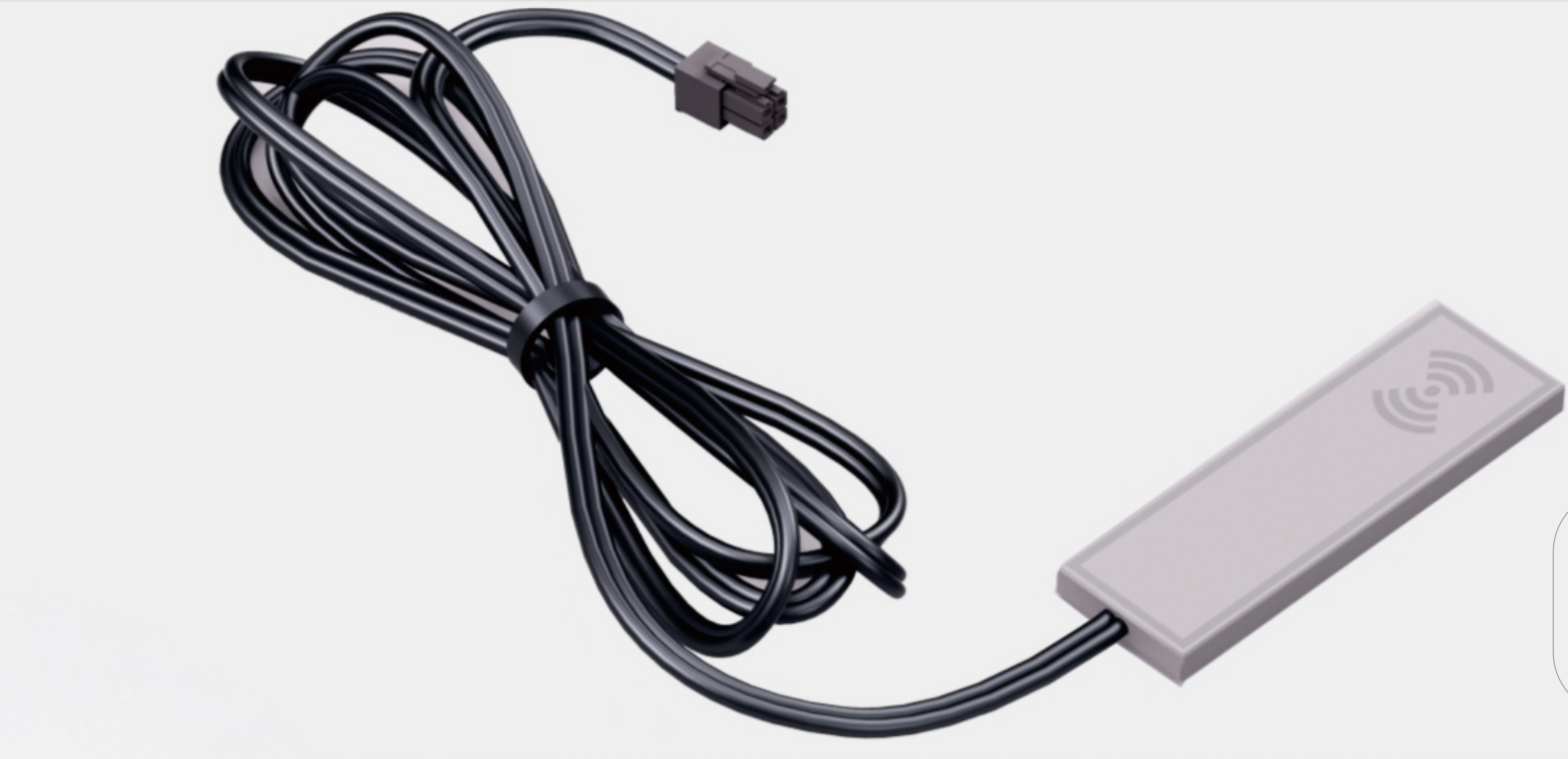
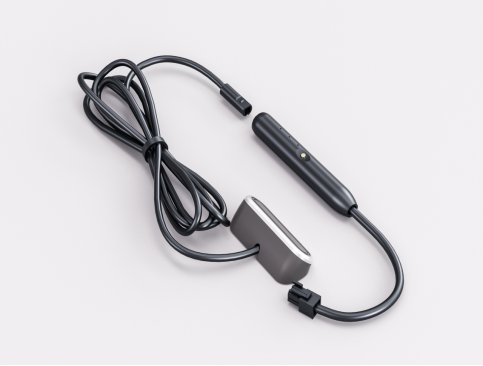
A radar microwave sensor represents cutting-edge detection technology that utilizes electromagnetic waves in the microwave frequency spectrum to identify and track objects, motion, and environmental changes. This sophisticated device operates by transmitting microwave signals and analyzing the reflected waves that bounce back from targets within its detection range. The radar microwave sensor functions as an intelligent monitoring system capable of penetrating various materials and weather conditions, making it exceptionally versatile for diverse applications. The core technology behind these sensors relies on the Doppler effect principle, which detects changes in frequency when waves reflect off moving objects. This fundamental operation enables the radar microwave sensor to distinguish between stationary and moving targets with remarkable precision. Modern radar microwave sensor units incorporate advanced signal processing algorithms that filter out unwanted interference while enhancing target detection accuracy. These sensors typically operate within specific frequency bands, commonly ranging from 2.4 GHz to 24 GHz, depending on their intended application and regulatory requirements. The radar microwave sensor design includes sophisticated antenna systems that can be configured for various beam patterns, allowing for customized detection zones and coverage areas. Key technological features include adjustable sensitivity settings, programmable detection parameters, and intelligent filtering capabilities that minimize false alarms. Many radar microwave sensor models offer dual-technology integration, combining microwave detection with other sensing methods for enhanced reliability. The compact form factor of modern radar microwave sensor units makes them suitable for both indoor and outdoor installations, while their low power consumption ensures cost-effective long-term operation. Applications span across security systems, automotive safety, industrial automation, smart home technology, and traffic management systems, demonstrating the versatility and effectiveness of radar microwave sensor technology in meeting diverse detection requirements across multiple industries.

Popular Products

The radar microwave sensor offers numerous practical benefits that make it an superior choice for detection and monitoring applications across various industries. Unlike traditional sensors, the radar microwave sensor operates effectively in challenging environmental conditions, including fog, rain, snow, and extreme temperatures, ensuring consistent performance when other detection methods fail. This weather resistance stems from the microwave frequency spectrum's ability to penetrate atmospheric particles that typically interfere with optical or infrared sensors. The radar microwave sensor provides exceptional range capabilities, detecting objects at distances that far exceed conventional proximity sensors, making it ideal for large-area monitoring and early warning systems. Energy efficiency represents another significant advantage, as modern radar microwave sensor units consume minimal power while maintaining continuous operation, resulting in lower operational costs and reduced environmental impact. The non-contact detection method employed by radar microwave sensor technology eliminates wear and mechanical failure points, significantly extending device lifespan and reducing maintenance requirements. Installation flexibility stands out as a major benefit, since radar microwave sensor units can be mounted in various orientations and positions without compromising detection accuracy. The sensor's ability to detect both metallic and non-metallic objects makes it versatile for diverse applications where material composition varies. Privacy protection is enhanced because radar microwave sensor technology detects motion and presence without capturing visual images, addressing security concerns in sensitive environments. The radar microwave sensor demonstrates superior immunity to electromagnetic interference compared to other electronic detection systems, ensuring reliable operation in electrically noisy environments. Real-time response capabilities allow immediate detection and alert generation, critical for security and safety applications. The radar microwave sensor technology supports programmable detection zones, enabling users to customize monitoring areas and eliminate unwanted detection regions. Cost-effectiveness becomes apparent through reduced false alarms, lower maintenance costs, and extended operational life. Integration capabilities allow radar microwave sensor systems to connect seamlessly with existing security networks, building management systems, and automation platforms. The scalability of radar microwave sensor installations enables easy expansion of monitoring coverage as requirements grow, providing excellent return on investment for both commercial and residential applications.

Practical Tips

2025 Best Cabinet Organizers: Top 10 Storage Solutions

14

Nov

2025 Best Cabinet Organizers: Top 10 Storage Solutions

Transform Your Space with Modern Cabinet Organization Solutions The evolution of home storage has reached new heights, with cabinet organizers leading the charge in revolutionary space optimization. Today's cabinet organizers blend innovative design ...
View More
Radar Sensor Installation Guide: Expert Tips & Tricks

14

Nov

Radar Sensor Installation Guide: Expert Tips & Tricks

Mastering Radar Senso Setup for Optimal Performance Installing a radar senso system requires precision, technical knowledge, and attention to detail. Whether you're a professional installer or a DIY enthusiast, understanding the proper installation p...
View More
Lift Basket Maintenance: Essential Care Tips

03

Dec

Lift Basket Maintenance: Essential Care Tips

Proper maintenance of your lift basket is crucial for ensuring optimal performance and extending its operational lifespan in both residential and commercial applications. A well-maintained lift basket not only operates more efficiently but also provi...
View More
Top 10 Pull Out Basket Solutions for Small Pantries

04

Jan

Top 10 Pull Out Basket Solutions for Small Pantries

Small pantries present unique storage challenges that require innovative solutions to maximize every square inch of available space. Traditional shelving systems often leave corners unused and make accessing items in the back difficult, leading to fo...
View More

Get a Free Quote

Our representative will contact you soon.
Email
WhatsApp/Mobile
Name
Company Name
Message
0/1000

radar microwave sensor

Advanced Penetration Capabilities and All-Weather Performance

Advanced Penetration Capabilities and All-Weather Performance

The radar microwave sensor excels in environments where traditional detection methods struggle or fail completely, thanks to its remarkable penetration capabilities and all-weather performance characteristics. Unlike optical sensors that rely on line-of-sight visibility, the radar microwave sensor transmits electromagnetic waves that can penetrate through various materials including glass, plastic, thin wood panels, and fabric barriers. This penetration ability allows the radar microwave sensor to detect movement and presence even when targets are partially concealed behind non-metallic obstacles, providing comprehensive coverage in complex environments. The all-weather performance of radar microwave sensor technology ensures consistent operation regardless of atmospheric conditions that typically compromise other sensing technologies. During heavy rain, snow, or fog conditions that render camera-based systems ineffective, the radar microwave sensor continues to provide reliable detection with minimal performance degradation. Temperature variations that cause thermal sensors to produce false readings have negligible impact on radar microwave sensor accuracy, making these devices ideal for outdoor installations in climates with extreme seasonal changes. The radar microwave sensor maintains its detection sensitivity across wide temperature ranges, from arctic conditions to desert heat, without requiring recalibration or performance adjustments. Dust, smoke, and airborne particles that obscure visibility for traditional sensors do not interfere with radar microwave sensor operation, ensuring continuous monitoring capability in industrial environments, construction sites, and areas prone to environmental contamination. This robustness translates into significant cost savings for users, as the radar microwave sensor requires minimal maintenance and experiences fewer service interruptions compared to weather-sensitive alternatives. The reliability factor becomes particularly crucial for security applications where consistent performance is essential for protecting assets and ensuring safety. Installation versatility is enhanced by the radar microwave sensor's ability to function effectively in covered areas, through mounting enclosures, or behind protective barriers without compromising detection accuracy, providing designers with greater flexibility in system placement and aesthetic integration.
Intelligent Motion Detection with Customizable Sensitivity

Intelligent Motion Detection with Customizable Sensitivity

The sophisticated motion detection capabilities of radar microwave sensor technology set it apart from conventional detection systems through intelligent signal processing and customizable sensitivity features that adapt to specific application requirements. The radar microwave sensor employs advanced algorithms that analyze Doppler shift patterns to distinguish between different types of movement, enabling precise detection of human motion while filtering out irrelevant environmental disturbances such as moving vegetation, small animals, or weather-related phenomena. This intelligent discrimination capability significantly reduces false alarm rates that plague simpler detection systems, ensuring that security personnel and automated systems respond only to legitimate threats or intended triggers. The customizable sensitivity settings allow users to fine-tune radar microwave sensor performance for specific environments and detection requirements. In high-security applications, the radar microwave sensor can be configured for maximum sensitivity to detect subtle movements at extended ranges, while in busy commercial environments, sensitivity levels can be adjusted to focus on significant motion patterns while ignoring minor disturbances. The radar microwave sensor technology incorporates multiple detection zones that can be independently configured, allowing for sophisticated monitoring strategies that account for different areas requiring varying levels of sensitivity. Advanced radar microwave sensor models feature learning capabilities that adapt to environmental patterns over time, automatically adjusting detection parameters to optimize performance while minimizing false alarms. The speed discrimination feature enables the radar microwave sensor to differentiate between slow-moving objects like people walking and faster-moving objects such as vehicles, providing additional classification information for integrated security systems. Range gating functionality allows the radar microwave sensor to focus detection efforts on specific distance ranges, eliminating interference from objects outside the area of interest. The intelligent processing capabilities extend to direction detection, where advanced radar microwave sensor units can determine the direction of approaching or departing targets, providing valuable information for access control and traffic monitoring applications. User-friendly programming interfaces make it simple to configure radar microwave sensor parameters without requiring specialized technical expertise, while remote configuration capabilities enable system adjustments without physical access to the device location.
Energy Efficient Operation with Long-Term Reliability

Energy Efficient Operation with Long-Term Reliability

The energy efficient operation and exceptional long-term reliability of radar microwave sensor technology deliver substantial operational advantages that translate into significant cost savings and reduced maintenance burdens over the device lifecycle. Modern radar microwave sensor designs incorporate low-power electronics and intelligent power management systems that minimize energy consumption while maintaining peak detection performance, making them ideal for applications where power availability is limited or where operational costs must be carefully controlled. The radar microwave sensor typically consumes a fraction of the power required by active illumination systems such as infrared floodlights or laser-based sensors, resulting in lower electricity bills and reduced environmental impact. Battery-powered radar microwave sensor installations can operate for extended periods without power source replacement, making them suitable for remote monitoring applications where grid power is unavailable or impractical. The solid-state construction of radar microwave sensor technology eliminates moving parts and mechanical components that are prone to wear and failure in traditional detection systems, significantly extending operational lifespan and reducing maintenance requirements. Environmental sealing protects internal radar microwave sensor components from moisture, dust, and corrosive elements that can degrade performance in harsh conditions, ensuring consistent operation across diverse installation environments. The radar microwave sensor design incorporates robust electronic components rated for industrial applications, providing resistance to electrical surges, electromagnetic interference, and temperature cycling that can affect less robust detection technologies. Self-diagnostic capabilities built into advanced radar microwave sensor models continuously monitor system health and alert users to potential issues before they impact performance, enabling proactive maintenance scheduling and preventing unexpected failures. The long operational life of radar microwave sensor technology, often exceeding ten years in normal applications, provides excellent return on investment compared to sensors requiring frequent replacement or extensive maintenance. Installation simplicity reduces initial deployment costs, as radar microwave sensor units typically require only basic mounting and electrical connections without complex calibration procedures or specialized tools. The reliability factor extends to consistent detection accuracy over time, as radar microwave sensor performance does not degrade significantly with age, unlike optical sensors that may suffer from lens contamination or thermal sensors affected by component drift, ensuring sustained protection and monitoring effectiveness throughout the device lifetime.

Get a Free Quote

Our representative will contact you soon.
Email
WhatsApp/Mobile
Name
Company Name
Message
0/1000