Radar Type Level Sensor: Advanced Non-Contact Level Measurement Technology for Industrial Applications

Get a Free Quote

Our representative will contact you soon.
Email
WhatsApp/Mobile
Name
Company Name
Message
0/1000

radar type level sensor

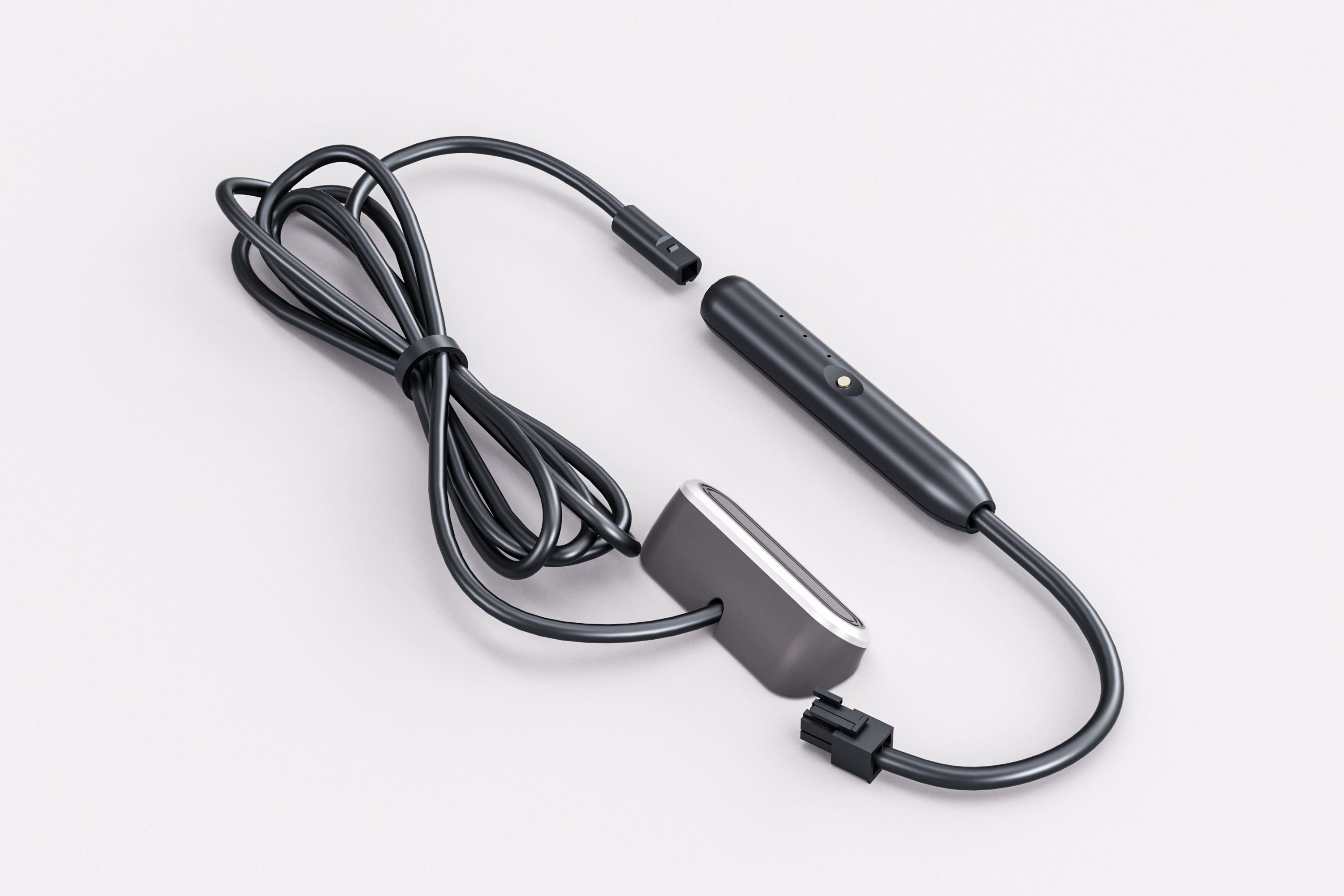
A radar type level sensor represents advanced non-contact measurement technology that utilizes electromagnetic waves to accurately determine liquid or solid material levels in various containers and storage systems. This sophisticated radar type level sensor operates by transmitting high-frequency microwave signals toward the surface of materials and measuring the time required for reflected signals to return to the sensor. The fundamental principle behind radar type level sensor technology involves pulse-time-of-flight measurement, where the sensor calculates distance based on the speed of electromagnetic waves and the elapsed time between signal transmission and reception. Modern radar type level sensor units typically operate in frequency ranges between 6 GHz and 80 GHz, providing exceptional accuracy and reliability across diverse industrial applications. The sensor generates electromagnetic pulses that travel through air or vapor spaces above materials, reflecting off surfaces regardless of material properties, density, or dielectric constants. This radar type level sensor technology excels in challenging environments where traditional contact-based measurement methods fail or require frequent maintenance. The sensor housing contains sophisticated electronics including signal processing units, amplifiers, and microprocessors that analyze reflected signals and convert them into precise level measurements. Advanced radar type level sensor models incorporate digital signal processing algorithms that filter out false echoes, minimize interference, and enhance measurement stability. These sensors can measure distances ranging from a few centimeters to over 100 meters, depending on specific model configurations and application requirements. The radar type level sensor typically features multiple output options including analog signals, digital communications protocols, and relay contacts for alarm functions. Installation flexibility represents another key characteristic, as these sensors can be mounted on tank tops, vessel nozzles, or standpipes without requiring direct contact with measured materials. The radar type level sensor technology accommodates various antenna designs including horn antennas, rod antennas, and parabolic antennas, each optimized for specific measurement ranges and environmental conditions.

New Product Recommendations

The radar type level sensor delivers numerous compelling advantages that make it an superior choice for industrial level measurement applications across multiple sectors. First, the non-contact measurement principle eliminates mechanical wear and tear, significantly reducing maintenance requirements and operational costs compared to traditional float-based or mechanical sensors. This radar type level sensor technology operates independently of material properties such as density, viscosity, conductivity, or dielectric constant, ensuring consistent performance regardless of the substance being measured. The sensor maintains exceptional accuracy even when dealing with corrosive chemicals, abrasive materials, or temperature-sensitive substances that would damage contact-based measurement devices. Installation simplicity represents another major advantage, as the radar type level sensor requires minimal setup time and can be retrofitted into existing systems without extensive modifications or downtime. The sensor provides continuous real-time measurements with response times typically under one second, enabling immediate process adjustments and improved operational efficiency. Weather resistance and environmental durability ensure reliable operation in extreme conditions including high temperatures, pressure variations, dust, moisture, and vibrations that commonly occur in industrial settings. The radar type level sensor technology offers excellent penetration capabilities through foam, vapor, dust clouds, and other interference sources that typically compromise optical or ultrasonic measurement systems. Signal processing sophistication allows these sensors to distinguish between actual material surfaces and false echo sources such as tank internals, agitators, or heating coils. This radar type level sensor technology supports various tank geometries including cylindrical, rectangular, spherical, and irregular shapes without requiring calibration adjustments. The long-term stability and drift resistance ensure measurement accuracy remains consistent over extended periods, reducing recalibration frequency and associated labor costs. Multiple communication options including HART, Foundation Fieldbus, Profibus, and Modbus protocols facilitate seamless integration with existing control systems and data acquisition networks. The radar type level sensor provides exceptional range capabilities, measuring levels from empty to full tank conditions with single device installations. Power consumption efficiency makes these sensors suitable for remote locations and battery-powered applications where energy conservation is critical. Explosion-proof and intrinsically safe versions ensure compliance with hazardous area regulations in chemical processing, petroleum refining, and other high-risk environments. The radar type level sensor technology delivers superior performance in applications involving multi-phase materials, settling solids, or materials with changing surface characteristics.

Practical Tips

How to Choose the Perfect Pantry Organizer System

14

Nov

How to Choose the Perfect Pantry Organizer System

Transform Your Kitchen Storage with an Effective Pantry Organization Solution A well-organized pantry serves as the heart of an efficient kitchen, bringing order to your cooking space and simplifying meal preparation. Whether you're working with a sm...
View More
Radar Senso vs LiDAR: Which Detection System Wins

14

Nov

Radar Senso vs LiDAR: Which Detection System Wins

Understanding Modern Detection Technologies in Autonomous Systems The landscape of autonomous vehicle sensing and detection has evolved dramatically over the past decade, with radar senso and LiDAR emerging as two dominant technologies shaping the fu...
View More
Lift Basket Maintenance: Essential Care Tips

03

Dec

Lift Basket Maintenance: Essential Care Tips

Proper maintenance of your lift basket is crucial for ensuring optimal performance and extending its operational lifespan in both residential and commercial applications. A well-maintained lift basket not only operates more efficiently but also provi...
View More
Maximize Storage with Magic Corner Cabinet Solutions

03

Dec

Maximize Storage with Magic Corner Cabinet Solutions

Kitchen corner cabinets have long presented a challenge for homeowners seeking to maximize storage space efficiently. These awkward spaces often become black holes where items disappear, making it difficult to access stored goods and utilize the full...
View More

Get a Free Quote

Our representative will contact you soon.
Email
WhatsApp/Mobile
Name
Company Name
Message
0/1000

radar type level sensor

Superior Environmental Adaptability and Reliability

Superior Environmental Adaptability and Reliability

The radar type level sensor demonstrates exceptional environmental adaptability that sets it apart from alternative measurement technologies in demanding industrial conditions. This remarkable resilience stems from the fundamental design principles that eliminate direct contact with measured materials while maintaining measurement accuracy across extreme operating parameters. The radar type level sensor operates effectively in temperature ranges from -40°C to +200°C, accommodating both cryogenic applications and high-temperature processes without performance degradation or frequent recalibration requirements. Pressure tolerance extends from full vacuum conditions to pressures exceeding 40 bar, making these sensors suitable for pressurized vessels, vacuum distillation systems, and atmospheric storage tanks alike. The electromagnetic wave transmission principle ensures that dust, foam, vapor clouds, and condensation do not interfere with measurement accuracy, unlike optical or mechanical systems that suffer performance losses in these conditions. Advanced signal processing algorithms incorporated into modern radar type level sensor units automatically compensate for environmental variables including humidity, atmospheric pressure changes, and temperature fluctuations that typically affect measurement precision in competing technologies. The robust construction features corrosion-resistant materials and sealed electronics that withstand exposure to aggressive chemicals, salt spray, and industrial pollutants commonly found in processing facilities. Vibration immunity represents another critical advantage, as the radar type level sensor maintains stable readings even when mounted on equipment subject to mechanical vibrations, pump pulsations, or structural movements that would compromise contact-based sensors. The absence of moving parts eliminates wear-related failures and reduces maintenance intervals significantly compared to mechanical float systems or rotating paddle sensors. Lightning protection and electromagnetic interference shielding ensure continued operation in electrically noisy environments or outdoor installations prone to electrical disturbances. The radar type level sensor technology incorporates multiple fail-safe mechanisms including diagnostic functions, signal validation routines, and alarm outputs that alert operators to potential issues before they affect process operations or safety systems.
Exceptional Measurement Precision and Versatility

Exceptional Measurement Precision and Versatility

The radar type level sensor achieves outstanding measurement precision through sophisticated signal processing techniques and advanced antenna designs that deliver accuracy levels typically within ±3mm for most applications. This exceptional precision results from high-frequency electromagnetic wave transmission that provides superior resolution compared to lower-frequency ultrasonic or pressure-based measurement methods. The radar type level sensor technology utilizes pulse compression techniques and digital signal processing algorithms that enhance signal-to-noise ratios and eliminate false echo interference from tank internals, agitators, heating coils, or structural components. Multiple frequency options ranging from 6 GHz to 80 GHz allow optimization for specific application requirements, with higher frequencies providing better precision for smaller tanks while lower frequencies offer superior penetration through challenging atmospheric conditions. The measurement versatility extends across an impressive range of materials including liquids with varying viscosities, granular solids, powders, slurries, and multi-phase substances that present challenges for alternative sensor technologies. The radar type level sensor maintains consistent accuracy regardless of material density changes, surface turbulence, or dielectric constant variations that typically affect capacitive or conductivity-based measurement systems. Advanced echo tracking algorithms automatically adapt to changing surface conditions and material characteristics, ensuring stable measurements even during filling, emptying, or mixing operations that create surface disturbances. The sensor technology accommodates extreme measurement ranges from close-proximity applications requiring millimeter resolution to long-range installations measuring distances exceeding 100 meters in large storage silos or process vessels. Linearization functions and custom calibration capabilities enable precise volume calculations for irregular tank shapes, compensating for complex geometries that would require multiple sensors using traditional measurement approaches. The radar type level sensor provides continuous measurement updates with fast response times enabling real-time process control and immediate detection of level changes critical for safety interlocks and process optimization. Multi-variable measurement capabilities in advanced models simultaneously monitor level, interface detection between different materials, and foam layer thickness, providing comprehensive process information from single sensor installations.
Cost-Effective Long-Term Operation and Integration Flexibility

Cost-Effective Long-Term Operation and Integration Flexibility

The radar type level sensor delivers exceptional long-term value through reduced maintenance requirements, extended operational lifespan, and flexible integration capabilities that significantly lower total cost of ownership compared to alternative measurement technologies. The non-contact measurement principle eliminates mechanical wear components, calibration drift, and frequent replacement cycles associated with contact-based sensors, resulting in maintenance cost reductions of up to 75% over typical equipment lifecycles. Installation flexibility represents a major economic advantage, as the radar type level sensor can be mounted on existing tank connections, standpipes, or specially designed nozzles without requiring extensive modifications to existing infrastructure or process downtime during retrofitting procedures. The sensor technology accommodates various mounting orientations including top-mounted, side-mounted, and angled installations that optimize performance while working within existing facility constraints and accessibility requirements. Multiple communication protocol support including analog outputs, digital protocols like HART, Foundation Fieldbus, Profibus, and Modbus ensures seamless integration with existing control systems without requiring expensive interface modules or system redesigns. The radar type level sensor technology provides comprehensive diagnostic capabilities including self-monitoring functions, signal quality assessment, and predictive maintenance indicators that enable condition-based maintenance scheduling and prevent unexpected failures. Energy efficiency optimization reduces operational costs through low power consumption designs suitable for remote locations, solar-powered installations, or facilities where energy conservation is prioritized for environmental or economic reasons. Explosion-proof certifications and intrinsically safe designs eliminate the need for expensive purging systems or specialized enclosures required by some alternative sensor technologies in hazardous area applications. The radar type level sensor offers scalable solutions from basic level indication to advanced inventory management systems with networking capabilities that support facility-wide monitoring and control integration. Software tools and configuration utilities simplify setup procedures, reducing commissioning time and minimizing specialized training requirements for maintenance personnel. The proven reliability and consistent performance characteristics of radar type level sensor technology provide process stability that reduces product quality variations, minimizes waste, and optimizes production efficiency across diverse industrial applications from chemical processing to food and beverage manufacturing.

Get a Free Quote

Our representative will contact you soon.
Email
WhatsApp/Mobile
Name
Company Name
Message
0/1000