Superior Environmental Adaptability
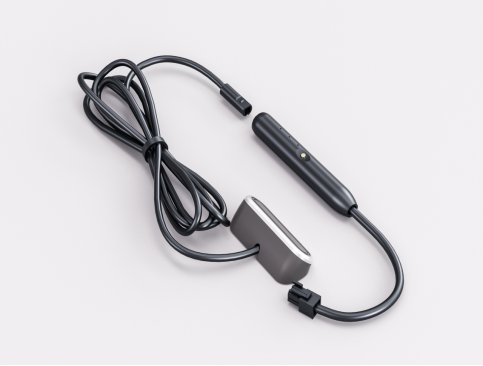
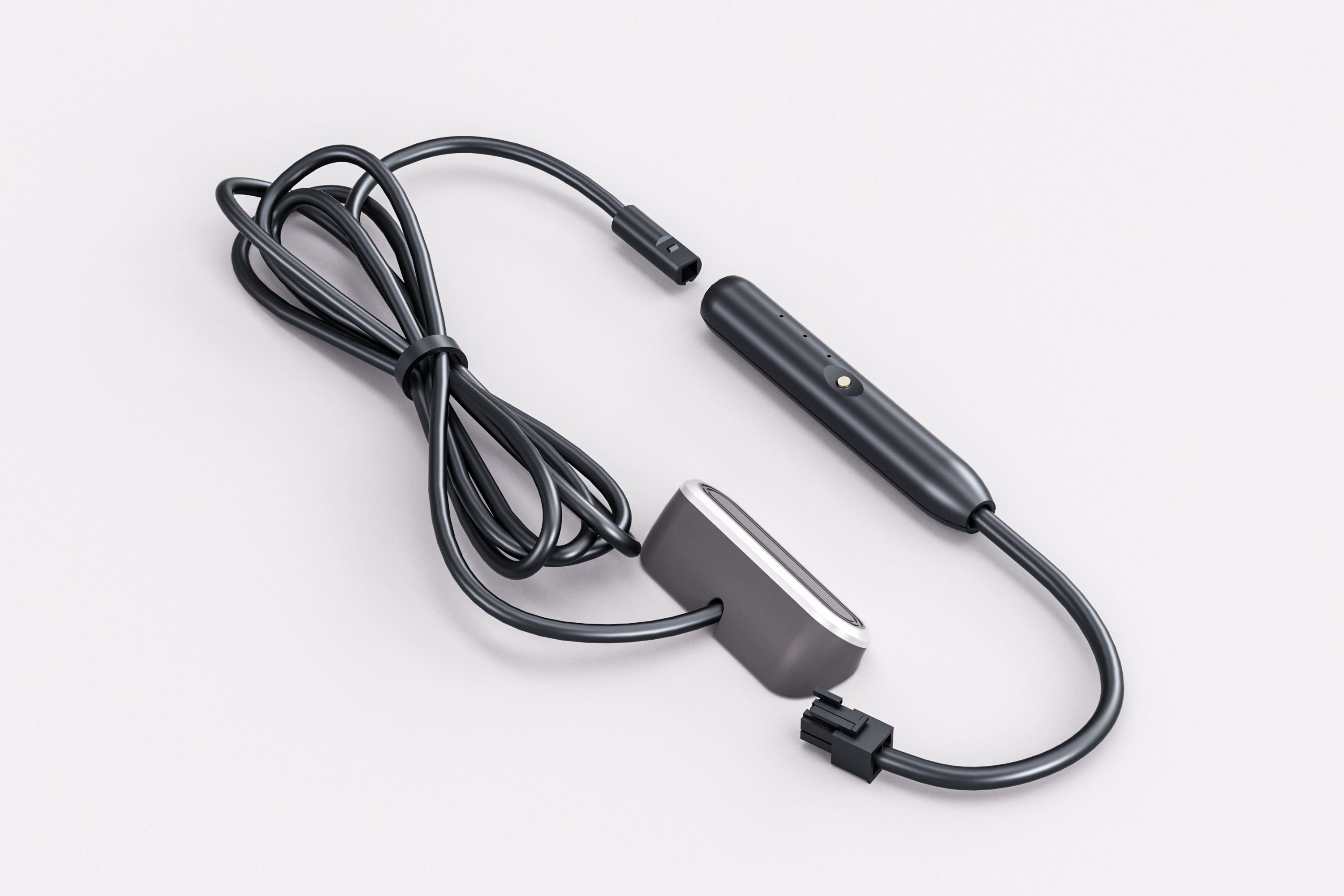
The radar presence sensor demonstrates exceptional environmental adaptability that ensures consistent performance across the most challenging conditions where other detection technologies typically fail or require frequent maintenance interventions. This remarkable resilience stems from the sensor's fundamental radar-based operating principle, which remains unaffected by environmental variables that severely impact infrared and other detection methods. Temperature extremes, whether scorching heat or freezing cold, do not influence the radar presence sensor's accuracy or reliability, making it an ideal solution for applications in warehouses, outdoor installations, and industrial facilities with variable climate conditions. The device maintains precise detection capabilities in environments with high humidity levels, dusty atmospheres, and fluctuating air pressure, conditions that often degrade the performance of alternative sensor technologies. This environmental independence eliminates the need for protective housings or frequent cleaning that other sensors require, significantly reducing maintenance costs and operational disruptions. Lighting conditions, whether complete darkness or bright sunlight, have zero impact on the radar presence sensor's functionality, unlike photoelectric sensors that struggle in varying illumination scenarios. The sensor's immunity to electromagnetic interference makes it particularly valuable in industrial settings where heavy machinery and electrical equipment create challenging detection environments for conventional sensors. Outdoor applications benefit tremendously from the radar presence sensor's weather resistance, as rain, snow, fog, and wind do not affect its detection accuracy. This environmental robustness enables reliable monitoring in parking areas, building perimeters, and outdoor recreational facilities regardless of weather conditions. The sensor's ability to penetrate certain materials while maintaining detection accuracy allows for protected installations that shield the device from harsh environmental elements without compromising performance. This adaptability extends the radar presence sensor's useful life significantly compared to other detection technologies, providing superior return on investment through reduced replacement frequency and lower maintenance requirements while ensuring consistent monitoring capabilities across diverse environmental challenges.
 EN
EN