 EN
EN


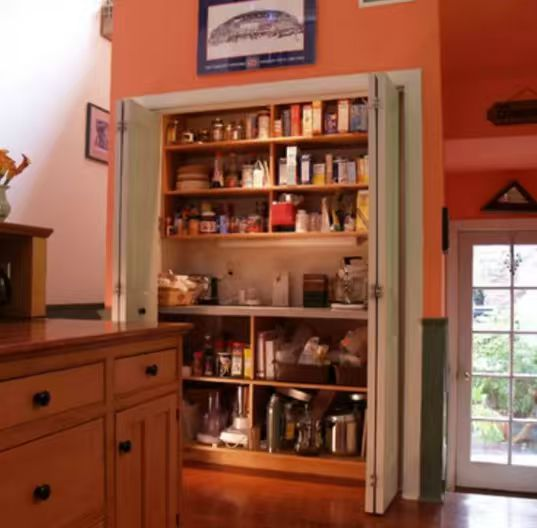
Creating an organized pantry transforms your kitchen experience and revolutionizes meal preparation efficiency. A well-structured pantry organizer system eliminates the frustration of searching through cluttered shelves while maximizing your storage potential. Whether you have a spacious walk-in pantry or a compact cabinet, implementing strategic pantry organizer solutions creates order from chaos and saves valuable time during cooking.
Essential Foundation Elements for Maximum Storage
Clear Container Systems
Transparent storage containers form the backbone of any effective pantry organizer strategy. These versatile solutions allow instant identification of contents while maintaining freshness for dry goods. Glass and BPA-free plastic containers create uniform appearance across shelves, making your pantry visually appealing and functionally superior. Label each container clearly to maintain consistency when family members restock items.
Investing in stackable containers maximizes vertical space utilization within your pantry organizer framework. Choose containers with airtight seals to preserve food quality and prevent pest infiltration. Different sizes accommodate various food types, from bulk rice and pasta to smaller items like spices and baking essentials.
Adjustable Shelving Solutions
Flexible shelving adapts to changing storage needs throughout different seasons and shopping patterns. Wire shelving units provide excellent airflow for perishable items while maintaining structural integrity under substantial weight. The ability to modify shelf heights accommodates tall bottles, cereal boxes, and appliances seamlessly within your pantry organizer design.
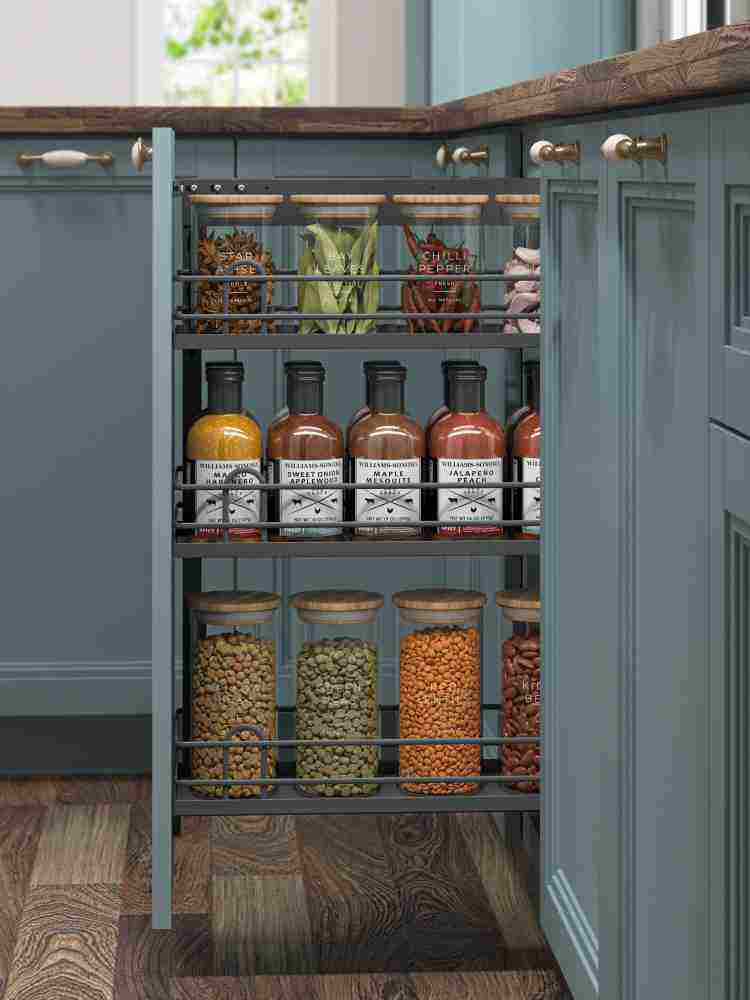
Consider installing pull-out shelves in deeper cabinets to eliminate the dreaded black hole effect where items disappear behind others. These sliding mechanisms bring everything within easy reach, transforming awkward spaces into functional storage zones.
Vertical Space Optimization Techniques
Door-Mounted Storage Systems
Pantry doors represent untapped real estate perfect for lightweight items and frequently accessed products. Over-door organizers accommodate spices, condiments, snacks, and cleaning supplies without consuming precious shelf space. These pantry organizer additions work particularly well in smaller kitchens where every square inch matters.
Install narrow wire racks or clear pocket organizers on door interiors to create additional storage tiers. Ensure door-mounted systems do not interfere with shelf clearance when doors close completely. Weight distribution remains crucial to prevent door sagging or hardware failure over time.
Ceiling-High Storage
Upper regions of pantry spaces often remain underutilized despite their storage potential. Install ceiling-mounted shelves for seasonal items, bulk purchases, or rarely used appliances. A pantry organizer with rotating capabilities maximizes corner spaces while providing easy access to items stored at various heights.
Step stools or rolling ladders ensure safe access to high storage areas. Reserve upper shelves for lightweight items to maintain safety during retrieval. Clearly label high-storage containers since visual identification becomes challenging at elevated positions.
Category-Based Organization Systems
Zone Creation Strategy
Establishing dedicated zones within your pantry organizer creates logical flow and prevents cross-contamination between different food categories. Designate specific areas for baking supplies, canned goods, snacks, breakfast items, and beverages. This systematic approach reduces search time and simplifies inventory management.
Group similar items together while considering frequency of use and cooking patterns. Place everyday essentials at eye level for convenient access, while specialty items can occupy higher or lower shelves. Maintain clear boundaries between zones to prevent gradual mixing and organizational decay.
Color-Coded Classification
Visual cues enhance pantry organizer effectiveness through color-coordinated systems. Assign specific colors to different food categories using labels, containers, or shelf markers. Red might represent spices and seasonings, blue for baking ingredients, and green for healthy snacks and supplements.
This color-coding system proves especially valuable for families with multiple cooks or children learning kitchen organization. The visual system transcends reading ability and creates intuitive understanding of item locations throughout the pantry organizer framework.
Space-Saving Storage Innovations
Lazy Susan Applications
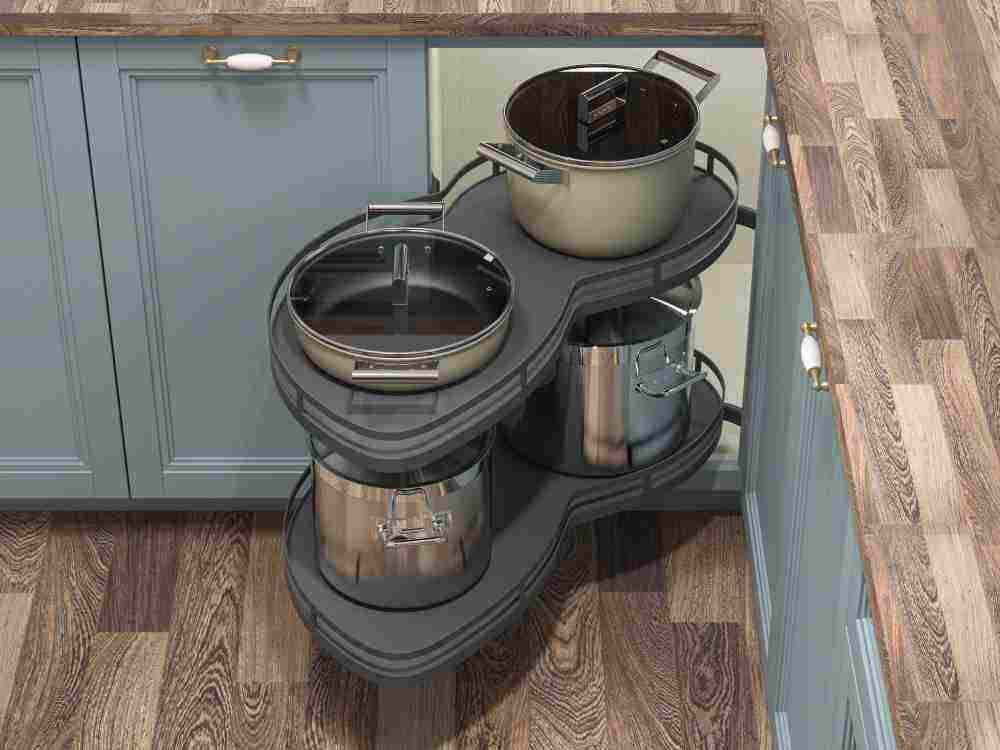
Rotating platforms revolutionize corner storage and deep shelf accessibility within pantry organizer configurations. Lazy Susans work exceptionally well for oils, vinegars, condiments, and small jars that typically become lost in pantry depths. The rotation mechanism brings items from the back to the front effortlessly.
Multi-tiered lazy Susans maximize vertical space while maintaining the rotating convenience. These systems work particularly well in corner cabinets where traditional shelving creates awkward reaching angles. Choose non-slip surfaces to prevent items from sliding during rotation.
Under-Shelf Baskets
Hanging baskets beneath existing shelves create additional storage without requiring permanent modifications. These pantry organizer accessories accommodate lightweight items like packets, bags, and tubes that might otherwise create clutter. Wire baskets provide visibility while maintaining airflow around stored items.
Install these baskets on existing shelves using simple clips or brackets. The added storage layer works particularly well for grab-and-go snacks or meal preparation ingredients. Ensure adequate clearance between basket contents and items stored on the shelf below.
Smart Labeling and Inventory Systems
Digital Inventory Tracking
Modern pantry organizer management extends beyond physical storage to include digital inventory systems. Smartphone apps help track expiration dates, quantities, and shopping needs. These digital tools prevent overbuying while ensuring essential items remain consistently stocked.
QR code systems link physical storage locations to digital records, creating seamless inventory updates when items are used or replaced. This technological integration transforms traditional pantry organizer concepts into smart storage solutions that adapt to modern lifestyles.
Expiration Date Management
First-in-first-out rotation principles prevent food waste while maintaining fresh inventory throughout your pantry organizer system. Mark purchase or opening dates on containers and packages to track freshness accurately. Position newer items behind older ones to encourage proper rotation.
Create visual reminder systems using colored dots or tags to indicate expiration timeframes. Red dots might signal items expiring within one month, yellow for three months, and green for longer-term storage. This system enables quick visual assessment during meal planning.
Budget-Friendly Implementation Strategies
Repurposing Household Items
Creative pantry organizer solutions emerge from repurposing existing household items rather than purchasing specialized storage products. Empty coffee cans become excellent storage for bulk spices or baking supplies. Shoe boxes wrapped in decorative paper create attractive storage for packets and smaller items.
Mason jars serve multiple purposes within pantry organizer systems, from storing dry goods to creating portion-controlled snack containers. Their uniform appearance and stackable design make them ideal for budget-conscious organization projects. Glass visibility allows easy content identification without opening containers.
DIY Installation Projects
Simple carpentry skills enable custom pantry organizer solutions tailored to specific space constraints and storage needs. Building basic shelving units costs significantly less than purchasing pre-made systems while ensuring perfect fit within available space. Pine boards and basic hardware create functional storage that can be painted or stained to match existing decor.
Installing additional hooks, rods, and mounting brackets expands storage possibilities without major renovation expenses. These small modifications often provide substantial storage improvements when strategically placed throughout the pantry organizer layout.
Maintenance and Long-Term Success
Regular Cleaning Schedules
Consistent maintenance ensures pantry organizer systems remain functional and hygienic over time. Monthly deep cleaning removes crumbs, spills, and expired items that accumulate despite careful organization. This routine maintenance prevents pest attraction while maintaining the visual appeal of organized storage.
Quarterly reorganization sessions allow system adjustments based on changing needs and usage patterns. These reviews identify areas requiring improvement and opportunities for enhanced efficiency within the overall pantry organizer framework.
Family Education Programs
Successful pantry organizer implementation requires buy-in from all household members who access stored items. Create simple rules and visual guides that help family members understand the organizational system. Consistent reinforcement prevents gradual system deterioration through misuse or neglect.
Training sessions for children teach proper item placement and inventory rotation principles. These educational efforts create lifelong organizational skills while maintaining system integrity. Make the learning process enjoyable through games and positive reinforcement rather than rigid enforcement.
FAQ
What size pantry organizer works best for small spaces
Compact pantry organizer solutions focus on vertical storage and multi-functional pieces. Narrow rolling carts fit between appliances and provide mobile storage that adapts to changing needs. Over-door organizers and wall-mounted systems maximize storage without consuming floor space. Choose stackable containers and adjustable shelving that grows with your storage requirements.
How often should pantry organizer systems be reorganized
Seasonal reorganization every three to four months maintains optimal pantry organizer effectiveness. These sessions allow adjustment for changing dietary needs, bulk purchases, and seasonal cooking patterns. Monthly maintenance checks ensure items remain properly categorized and expired products are removed promptly. Major reorganization should occur whenever storage needs change significantly.
Which pantry organizer materials provide the best durability
Stainless steel and powder-coated wire provide excellent durability for pantry organizer systems while resisting moisture and temperature fluctuations. Glass containers offer superior longevity compared to plastic alternatives and maintain food freshness more effectively. Solid wood shelving supports heavy loads but requires proper sealing in humid environments. Choose materials based on your specific climate and usage patterns.
Can pantry organizer systems work in cabinet spaces
Cabinet-based pantry organizer solutions maximize limited space through pull-out drawers, lazy Susans, and tiered shelving systems. These modifications transform deep cabinets into accessible storage zones that rival walk-in pantries. Door-mounted organizers add storage without reducing internal cabinet space. Professional installation may be required for complex mechanical systems but provides substantial storage improvements.