 EN
EN


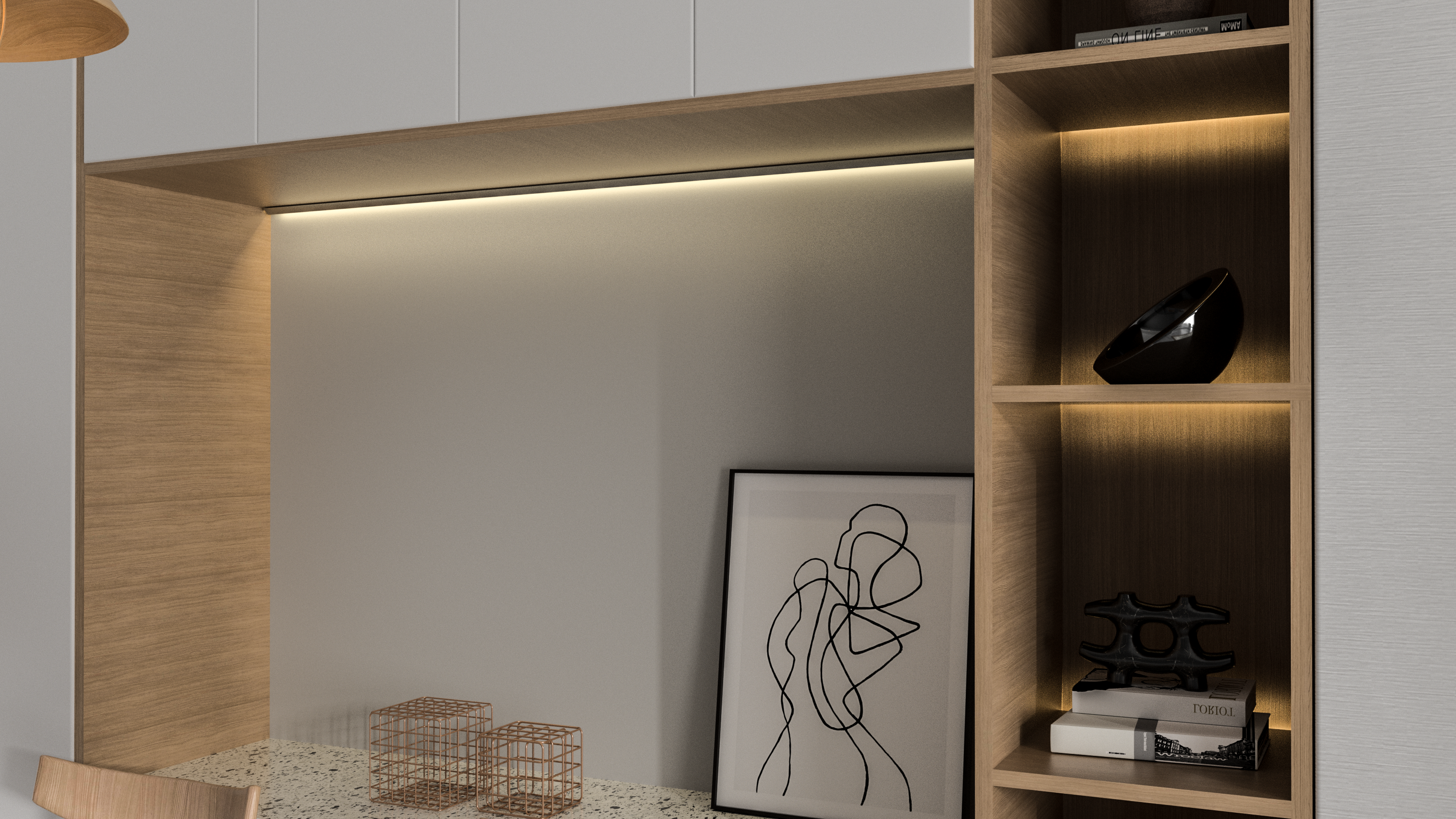
Modern kitchens face a common challenge: maximizing vertical storage space while maintaining easy access to everyday items. Pull down shelves represent a revolutionary solution that transforms previously inaccessible upper cabinet areas into functional, user-friendly storage zones. These innovative hardware systems enable homeowners to utilize every inch of available space without compromising convenience or safety.
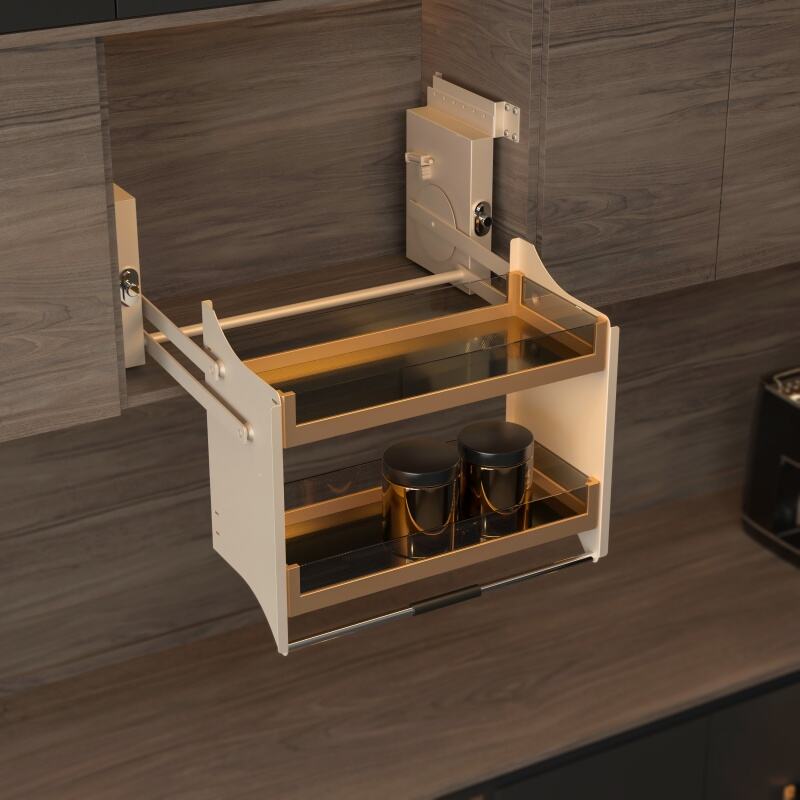
Professional kitchen designers increasingly recommend pull down shelves as essential components in contemporary storage solutions. These mechanisms eliminate the need for step stools or risky reaching, making high cabinets accessible to users of all heights. The spring-loaded or hydraulic systems provide smooth operation while supporting substantial weight loads, ensuring long-term reliability in demanding kitchen environments.
Understanding the mechanics and benefits of pull down shelves empowers homeowners to make informed decisions about kitchen upgrades. Whether renovating existing spaces or planning new construction, incorporating these storage solutions significantly enhances functionality and user experience throughout the cooking and food preparation process.
Understanding Pull Down Shelf Mechanisms
Spring-Loaded Systems
Spring-loaded pull down shelves utilize carefully calibrated tension mechanisms to provide effortless operation. These systems feature adjustable spring assemblies that counterbalance the weight of stored items, ensuring smooth descent and ascent with minimal user effort. Professional installers typically adjust spring tension during installation to match anticipated load requirements and user preferences.
The durability of spring-loaded pull down shelves depends heavily on quality components and proper maintenance schedules. High-grade steel springs resist fatigue over thousands of operating cycles, while precision bearings ensure consistent performance throughout the system's lifespan. Regular lubrication and inspection prevent premature wear and maintain optimal functionality.
Hydraulic Operating Systems
Hydraulic pull down shelves offer superior weight capacity and smoother operation compared to spring-loaded alternatives. These systems employ sealed hydraulic cylinders that provide controlled movement in both directions, preventing sudden drops or jerky motion that could damage stored items. The hydraulic fluid maintains consistent pressure across varying temperature conditions common in kitchen environments.
Installation of hydraulic pull down shelves requires careful attention to mounting angles and clearance specifications. Professional contractors ensure proper alignment to prevent binding or uneven wear on moving components. Quality hydraulic systems include safety features such as pressure relief valves and locking mechanisms for enhanced user protection.
Strategic Placement Considerations
Cabinet Height Optimization
Effective placement of pull down shelves requires careful analysis of existing cabinet dimensions and user accessibility needs. Standard upper cabinets positioned 18-20 inches above countertops provide ideal conditions for pull down shelf installation. These heights ensure adequate clearance for operation while maintaining visual proportions in kitchen design schemes.
Professional designers recommend installing pull down shelves in cabinets exceeding 12 inches in depth to maximize storage efficiency. Shallow cabinets may not provide sufficient space for the mechanism's operating envelope, potentially limiting functionality or creating interference with adjacent components.
Load Distribution Planning
Proper load distribution ensures optimal performance and longevity of pull down shelves systems. Heavy items should be positioned toward the center of shelves to minimize stress on mounting hardware and operating mechanisms. Professional installers calculate distributed loads to prevent overloading individual components while maximizing storage capacity.
Strategic placement of pull down shelves considers frequently accessed items versus seasonal storage needs. Daily-use items benefit from lower shelf positions within the operating range, while occasional-use products can occupy higher positions. This approach optimizes workflow efficiency while maintaining easy access to essential cooking ingredients and supplies.
Installation Best Practices
Structural Assessment Requirements
Before installing pull down shelves, professional contractors conduct thorough structural assessments of existing cabinet construction. Particle board or lightweight construction may require reinforcement to handle dynamic loads imposed by operating mechanisms. Solid wood or high-quality plywood provides superior mounting stability for heavy-duty applications.
Cabinet door modifications often accompany pull down shelves installations to accommodate operating clearances. Professional installers carefully measure door swing patterns and adjust hinge positions to prevent interference during operation. Proper clearance calculations prevent damage to doors, shelves, and stored items during daily use.
Mounting Hardware Specifications
Quality pull down shelves require robust mounting hardware designed for repetitive loading cycles. Professional-grade systems include reinforced brackets, heavy-duty screws, and alignment guides that ensure precise installation geometry. Inadequate hardware compromises system performance and potentially creates safety hazards for users.
Installation procedures must account for cabinet material variations and wall stud locations when available. Professional installers use appropriate fasteners for each substrate type, ensuring secure attachment that withstands operational stresses over extended service periods. Proper fastener selection prevents loosening, vibration, and premature failure of mounting connections.
Maintenance and Longevity Factors
Lubrication Schedules
Regular maintenance extends the operational life of pull down shelves while ensuring smooth, quiet operation. Moving components require periodic lubrication using manufacturer-specified products to prevent wear and corrosion. Professional maintenance schedules typically recommend quarterly inspection and annual lubrication for residential applications.
Kitchen environments expose pull down shelves to grease, moisture, and temperature fluctuations that accelerate component wear. Appropriate lubricants resist contamination while maintaining viscosity across temperature ranges. Food-safe lubricants prevent contamination concerns in areas where cooking preparation occurs regularly.
Component Replacement Strategies
Quality pull down shelves feature replaceable wear components that extend system lifespan beyond initial installation periods. Springs, bearings, and seals represent the most commonly replaced elements in typical maintenance cycles. Professional service providers maintain inventories of replacement parts for popular system configurations.
Preventive replacement schedules help avoid unexpected failures that could damage stored items or create safety hazards. Visual inspection protocols enable early detection of wear patterns, stress fractures, or performance degradation requiring attention. Timely component replacement maintains optimal performance while minimizing total ownership costs.
Design Integration Strategies
Aesthetic Harmony
Modern pull down shelves incorporate design elements that complement contemporary kitchen aesthetics while maintaining functional performance. Powder-coated finishes resist corrosion and scratching while matching existing hardware color schemes. Professional designers coordinate mechanism finishes with cabinet pulls, hinges, and other visible hardware elements.
Concealed mounting systems minimize visual impact while maintaining full functionality of pull down shelves. These approaches preserve clean cabinet lines and uncluttered appearances valued in modern kitchen design philosophies. Careful planning during design phases ensures mechanisms remain hidden while providing easy access to stored items.
Workflow Optimization
Strategic placement of pull down shelves enhances kitchen workflow by positioning frequently used items within optimal reach zones. Professional kitchen designers analyze cooking patterns and storage needs to determine ideal shelf locations. Efficient placement reduces physical strain while improving task completion times during meal preparation activities.
Integration with other storage solutions creates comprehensive systems that maximize available space while maintaining organizational efficiency. Pull down shelves complement drawer systems, lazy susans, and traditional fixed shelving to create versatile storage environments. Coordinated planning ensures all components work together seamlessly without interference or operational conflicts.
Cost-Benefit Analysis
Investment Considerations
Quality pull down shelves represent significant investments that provide long-term value through improved functionality and increased property values. Professional-grade systems cost substantially more than basic alternatives but offer superior durability, smoother operation, and enhanced weight capacity. Investment analysis should consider total lifecycle costs rather than initial purchase prices alone.
Installation costs vary depending on cabinet modifications required and complexity of existing structures. Professional installation ensures proper operation while maintaining manufacturer warranties on mechanical components. DIY installation may reduce initial costs but risks voiding warranties and creating safety concerns if performed incorrectly.
Return on Investment
Pull down shelves contribute to overall kitchen functionality improvements that enhance property values and user satisfaction. Real estate professionals recognize quality storage solutions as valuable selling features that appeal to potential buyers. Investment recovery occurs through improved daily functionality and increased home marketability over time.
Energy efficiency improvements result from better organization and easier access to stored items. Reduced time spent searching for ingredients or supplies translates to lower energy consumption from appliances and lighting systems. These indirect benefits contribute to long-term cost savings beyond immediate functionality improvements.
FAQ
What weight capacity can pull down shelves typically support
Most quality pull down shelves support between 15-25 pounds per shelf when properly installed in structurally sound cabinets. Heavy-duty systems can handle up to 35 pounds, but weight distribution and cabinet construction significantly impact actual capacity. Professional installation ensures optimal weight-bearing performance while maintaining smooth operation throughout the system's lifespan.
How much clearance space do pull down shelves require for proper operation
Pull down shelves typically require 2-3 inches of vertical clearance above the highest shelf position and adequate horizontal space for full extension. Door swing patterns must be analyzed to prevent interference during operation. Professional installers measure existing cabinet dimensions and recommend necessary modifications to ensure proper clearance for safe, efficient operation.
Can pull down shelves be retrofitted into existing kitchen cabinets
Most existing upper cabinets can accommodate pull down shelves with appropriate modifications and reinforcement. Cabinet construction, door configurations, and internal dimensions determine retrofit feasibility and required modifications. Professional assessment identifies necessary structural changes while preserving cabinet integrity and aesthetic appearance throughout the installation process.
What maintenance is required to keep pull down shelves operating smoothly
Regular maintenance includes quarterly cleaning, annual lubrication of moving parts, and periodic inspection of mounting hardware and wear components. Kitchen environments require more frequent attention due to grease and moisture exposure. Professional maintenance services provide comprehensive inspections and preventive care that extends system lifespan while maintaining optimal performance and safety standards.