 EN
EN


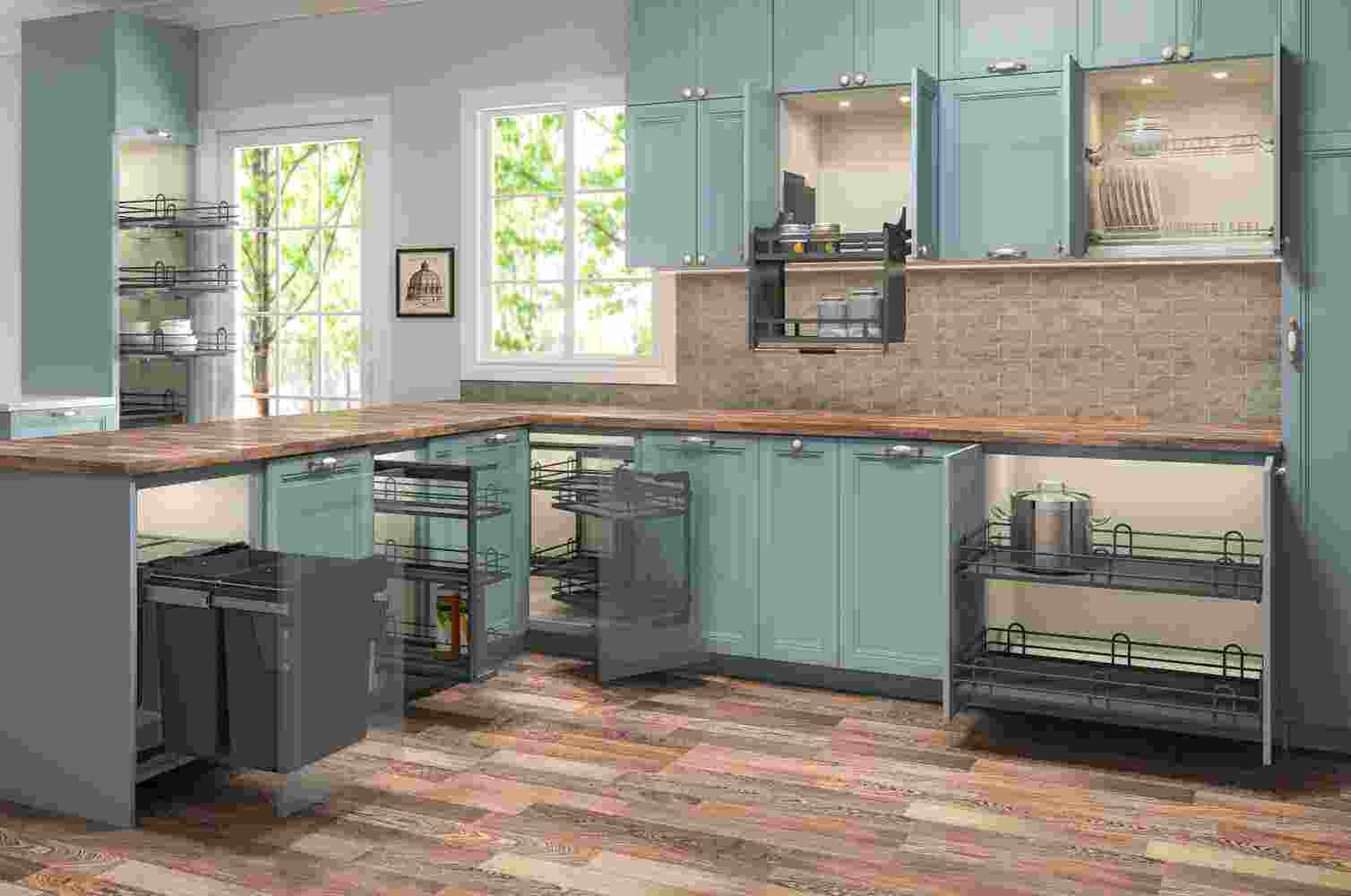
Selecting the right cabinet organizer can transform your kitchen or storage space from chaotic to perfectly organized. With numerous options available in the market, finding the ideal cabinet organizer requires careful consideration of your specific needs, space constraints, and organizational goals. This comprehensive guide will help you navigate through the essential factors that determine which cabinet organizer will work best for your home or office environment.
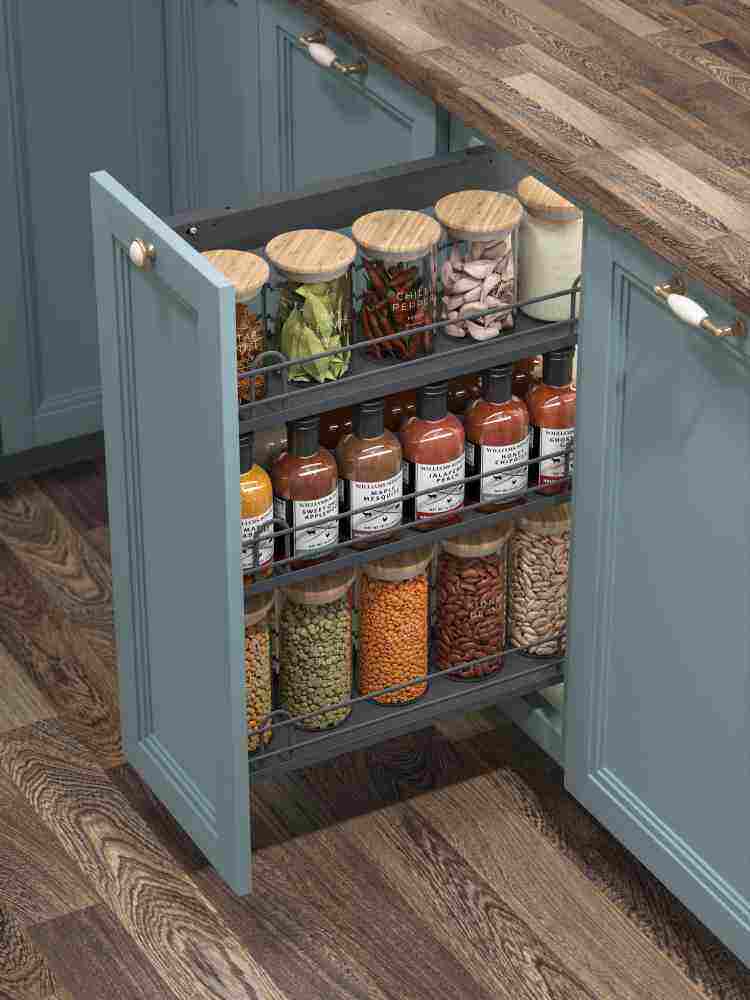
Modern cabinet organizer systems have evolved significantly over the past decade, offering innovative solutions that maximize storage efficiency while maintaining easy accessibility. Whether you're dealing with deep pantry cabinets, narrow spaces, or awkwardly shaped storage areas, there's a cabinet organizer designed to address your specific challenges. Understanding the different types available and their unique benefits will ensure you make an informed decision that serves your needs for years to come.
Understanding Different Types of Cabinet Organizers
Pull-Out Drawer Systems
Pull-out drawer systems represent one of the most popular cabinet organizer solutions for deep cabinets and lower storage areas. These systems feature sturdy slides that allow the entire contents of your cabinet to be pulled forward, providing complete visibility and easy access to items stored in the back. The smooth-gliding mechanism ensures that even heavy items can be accessed effortlessly, making them ideal for storing canned goods, kitchen appliances, and cleaning supplies.
When selecting a pull-out cabinet organizer system, consider the weight capacity and the quality of the sliding mechanism. High-quality systems feature soft-close technology that prevents slamming and extends the life of the organizer. The installation process typically requires basic tools and can be completed by most homeowners, though professional installation ensures optimal performance and longevity.
Swing-Out Pantry Units
Swing-out pantry units offer an excellent cabinet organizer solution for corner cabinets and spaces where traditional pull-out systems might not fit properly. These units pivot outward, bringing stored items within easy reach while maximizing the use of typically underutilized corner spaces. The multi-tier design allows for efficient categorization of different items, from spices and condiments to larger pantry staples.
The cabinet organizer with swing-out functionality often features adjustable shelving, allowing you to customize the space according to your specific storage needs. Premium models include soft-close hinges that prevent damage and reduce noise, making them suitable for both residential and commercial applications.
Key Factors to Consider When Choosing
Cabinet Dimensions and Space Assessment
Accurate measurement of your cabinet space is crucial when selecting the appropriate cabinet organizer. Start by measuring the interior width, depth, and height of your cabinet, taking note of any obstacles such as pipes, electrical connections, or existing hardware that might affect installation. Most cabinet organizer manufacturers provide detailed specification sheets that include minimum and maximum dimensions for proper fit.
Consider the door opening width and any restrictions that might limit the size of the cabinet organizer you can install. Some systems require additional clearance for proper operation, especially swing-out models that need space to pivot fully. Document these measurements carefully to ensure compatibility with your chosen organizer system.
Weight Capacity and Load Distribution
Different cabinet organizer systems have varying weight capacities, and choosing one that matches your intended use is essential for long-term performance. Heavy-duty systems designed for storing large appliances or bulk items typically feature reinforced construction and heavy-gauge steel components. Lighter-duty organizers work well for spices, dishes, and other moderate-weight items.
Proper load distribution across the cabinet organizer shelves ensures stable operation and prevents premature wear. Check the manufacturer's specifications for both total weight capacity and per-shelf limitations. Quality systems distribute weight evenly across multiple support points, reducing stress on individual components and extending the organizer's lifespan.
Material Quality and Construction Standards
Steel Framework and Durability
The construction quality of your cabinet organizer directly impacts its performance and longevity. Steel-framed systems typically offer superior strength and stability compared to plastic alternatives, especially for heavy-duty applications. Look for organizers featuring powder-coated finishes that resist corrosion and maintain their appearance even in humid kitchen environments.
Welded connections provide stronger joints than screwed assemblies, though quality screwed systems with proper reinforcement can also deliver excellent performance. Examine the gauge of the steel used in the frame construction, as heavier gauge materials indicate a more robust cabinet organizer designed for demanding use.
Hardware and Sliding Mechanisms
The quality of sliding hardware significantly affects the daily user experience with your cabinet organizer. Ball-bearing slides offer smooth operation and superior weight capacity compared to roller slides, making them the preferred choice for frequently accessed storage. Full-extension slides allow complete access to the organizer contents, while partial-extension slides may limit accessibility to items stored toward the back.
Soft-close mechanisms add convenience and protect both the cabinet organizer and surrounding cabinetry from impact damage. These systems use hydraulic or spring-loaded dampeners to control the closing motion, ensuring quiet operation that's especially valuable in open-concept living spaces where kitchen noise carries throughout the home.
Installation Considerations and Requirements
DIY Installation Versus Professional Setup
Many cabinet organizer systems are designed for DIY installation, complete with detailed instructions and all necessary hardware. Basic pull-out systems typically require only standard tools and can be installed in a few hours by homeowners with moderate skill levels. However, complex systems or those requiring cabinet modifications may benefit from professional installation to ensure proper fit and operation.
Consider your comfort level with tools and cabinet modification before deciding on installation approach. Some cabinet organizer systems require drilling into cabinet sides or floors, while others use adjustable mounting systems that minimize permanent modifications. Professional installation often includes warranty coverage for the installation work itself, providing additional peace of mind.
Cabinet Modifications and Compatibility
Certain cabinet organizer installations may require modifications to existing cabinetry, such as drilling mounting holes or removing shelves. Face-frame cabinets present different installation challenges compared to frameless European-style cabinets, and organizer compatibility varies accordingly. Some systems include adapters or mounting brackets designed for specific cabinet styles.
Evaluate whether your chosen cabinet organizer system preserves the ability to return the cabinet to its original configuration if needed. Reversible installations maintain resale value and provide flexibility for future changes, while permanent modifications should be considered carefully, especially in rental properties or homes you may sell.
Budget Considerations and Value Analysis
Initial Investment Versus Long-Term Benefits
Quality cabinet organizer systems represent a significant investment, but the long-term benefits often justify the initial expense. Consider the time savings from improved organization, reduced food waste due to better visibility, and the enhanced functionality of your storage space. Premium systems with superior construction and hardware typically offer better value over time through increased durability and performance.
Compare the cost per cubic foot of organized space when evaluating different cabinet organizer options. Higher-capacity systems may have higher upfront costs but provide better value when calculated on a per-unit-of-storage basis. Factor in potential installation costs and any cabinet modifications required to determine the true total investment.
Return on Investment and Property Value
Well-designed cabinet organizer installations can increase property value by improving kitchen functionality and appeal to potential buyers. Real estate professionals often note that organized, efficient storage solutions are attractive selling points that differentiate homes in competitive markets. Quality organizers that complement the overall kitchen design add both functional and aesthetic value.
Document your cabinet organizer installation with photos and retain warranty information to transfer to future owners if you sell your home. Professional installation certificates and manufacturer warranties can be valuable selling points that demonstrate the quality and reliability of your storage improvements.
Maintenance and Care Guidelines
Regular Cleaning and Upkeep
Proper maintenance ensures your cabinet organizer continues to operate smoothly and maintains its appearance over time. Regular cleaning with mild detergents removes accumulated grease and food particles that can affect sliding mechanisms and create unpleasant odors. Avoid harsh chemicals that might damage protective coatings or plastic components.
Lubricate sliding mechanisms periodically according to manufacturer recommendations, typically using light machine oil or specialized slide lubricants. Check mounting hardware periodically to ensure all connections remain tight, as normal use can cause gradual loosening that affects the cabinet organizer performance.
Troubleshooting Common Issues
Most cabinet organizer problems stem from improper loading, inadequate maintenance, or installation issues. Binding or difficult operation often indicates overloading or debris in the slide tracks. Uneven operation may suggest loose mounting hardware or misalignment that developed over time.
Address problems promptly to prevent more serious damage to your cabinet organizer system. Many manufacturers provide troubleshooting guides and replacement parts for common wear items, ensuring long-term serviceability of quality systems. Regular inspection and preventive maintenance prevent most operational issues and extend organizer lifespan significantly.
FAQ
What is the standard weight capacity for most cabinet organizer systems
Most residential cabinet organizer systems support between 75 to 150 pounds total weight capacity, with individual shelves typically rated for 25 to 50 pounds. Heavy-duty commercial systems can support significantly more weight, often exceeding 200 pounds total capacity. Always check manufacturer specifications and avoid exceeding recommended weight limits to ensure safe operation and prevent damage.
How do I measure my cabinet space correctly for organizer selection
Measure the interior width, depth, and height of your cabinet space, accounting for any obstructions like pipes or existing hardware. Measure at multiple points since cabinets aren't always perfectly square. Subtract 1/4 to 1/2 inch from each dimension to ensure proper clearance for installation and operation of your cabinet organizer system.
Can cabinet organizers be installed in any type of cabinet
Most cabinet organizer systems work with standard face-frame and frameless cabinet construction, though specific mounting requirements vary. Very old cabinets or those with unusual construction may require adapter hardware or professional modification. Some organizers are specifically designed for certain cabinet styles, so verify compatibility before purchase.
What maintenance is required to keep cabinet organizers functioning properly
Regular cleaning with mild detergent, periodic lubrication of sliding mechanisms, and occasional hardware tightening comprise the primary maintenance requirements for most cabinet organizer systems. Avoid overloading shelves and promptly address any operational issues to prevent more serious problems. Quality systems require minimal maintenance when used within their design parameters.