 EN
EN


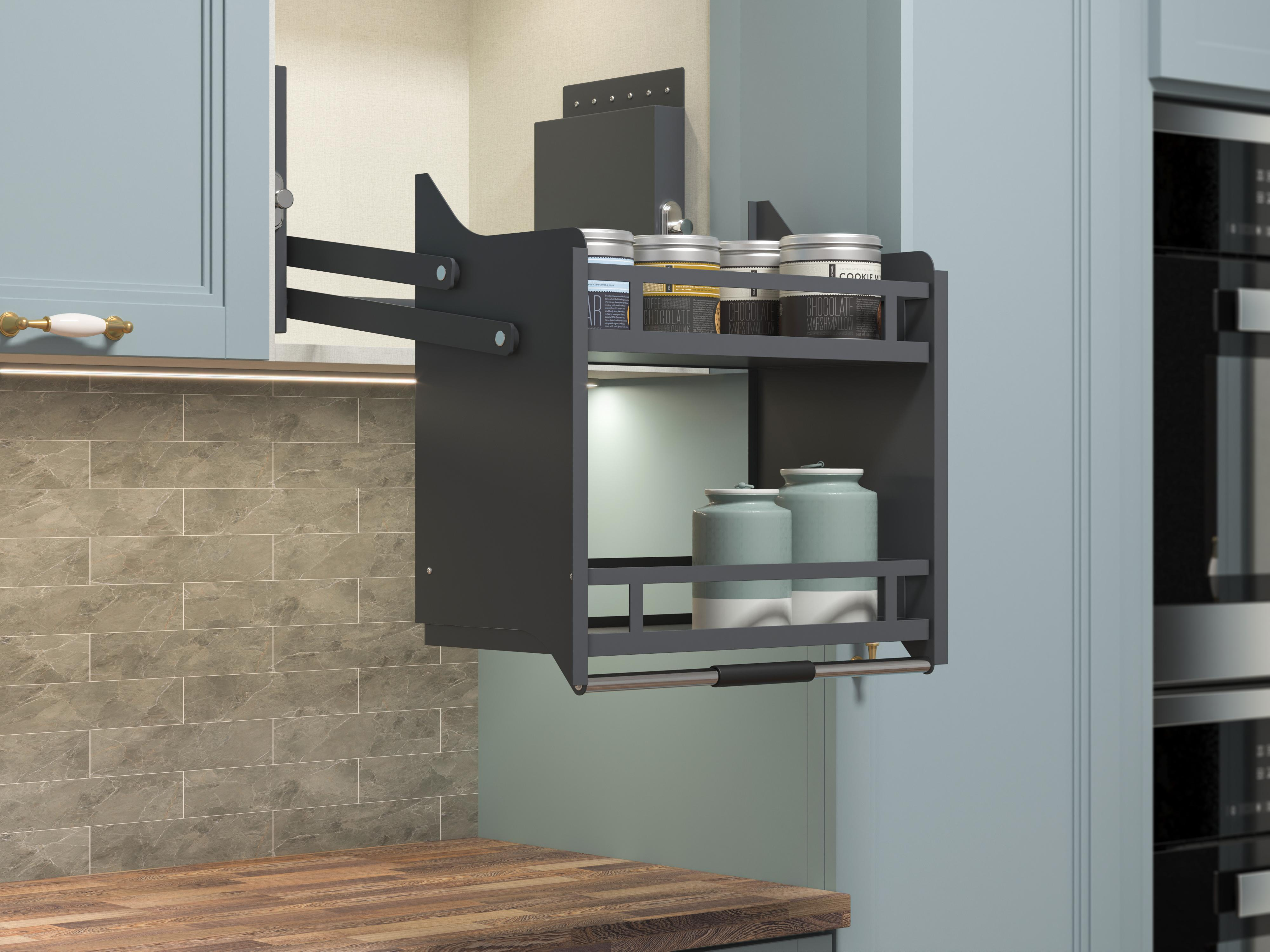
Modern kitchen and storage design has evolved significantly, with homeowners and designers constantly seeking innovative solutions to maximize space efficiency. Among the most popular storage innovations are pull down shelves, which offer a revolutionary approach to accessing items stored in high cabinets and cupboards. These sophisticated mechanisms provide an alternative to traditional fixed shelving systems, transforming how we interact with vertical storage spaces in kitchens, pantries, and various commercial applications.
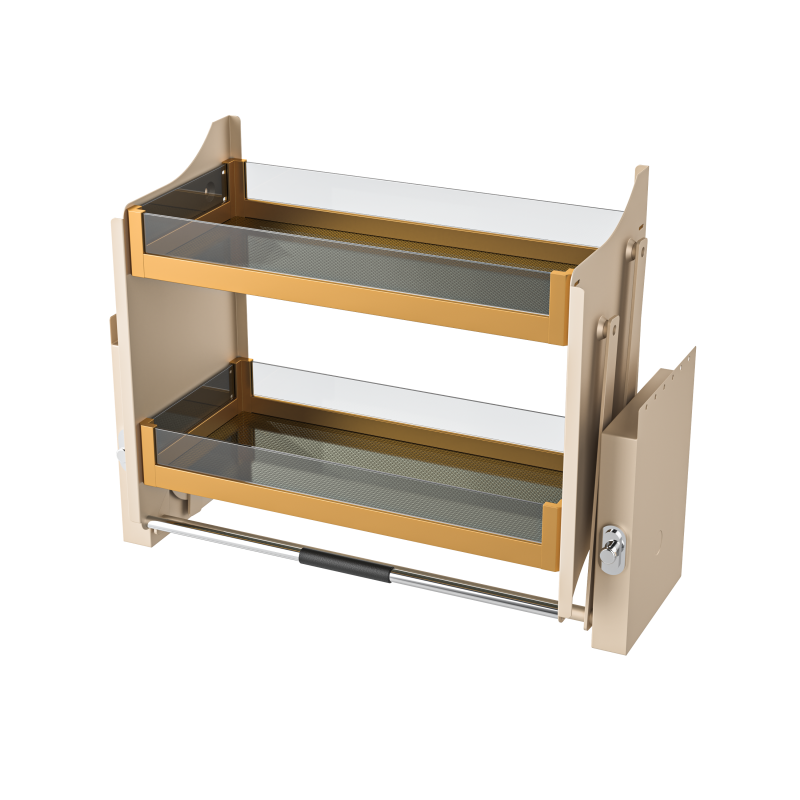
The choice between pull down shelves and fixed shelves represents more than just a preference for convenience versus tradition. This decision impacts accessibility, safety, storage capacity, and long-term usability of your space. Understanding the fundamental differences, advantages, and limitations of each system enables informed decision-making that aligns with specific needs, budget constraints, and design objectives.
Understanding Pull Down Shelf Technology
Mechanism and Operation Principles
Pull down shelves operate through sophisticated mechanical systems that combine spring-loaded mechanisms, gas struts, or hydraulic dampeners to create smooth, controlled movement. The engineering behind these systems ensures that heavy items can be lowered safely and effortlessly, regardless of the user's height or physical strength. Most pull down shelves feature soft-close technology that prevents sudden drops and protects both stored items and the mechanism itself.
The installation process involves mounting rails or tracks inside the cabinet framework, connecting the shelf platform to the lowering mechanism, and calibrating the tension to accommodate expected load weights. Professional installation ensures optimal performance and longevity, though many systems are designed for straightforward DIY installation with basic tools and mechanical aptitude.
Design Variations and Configurations
Contemporary pull down shelves come in numerous configurations to suit different cabinet dimensions and storage requirements. Single-tier systems provide one lowering shelf, while multi-tier arrangements offer two or three descending levels that maximize vertical space utilization. Width options range from narrow spice rack configurations to full-width pantry systems that span entire cabinet openings.
Material choices typically include powder-coated steel wire construction for lightweight durability, solid metal platforms for heavy-duty applications, and combination designs that incorporate both open wire sections and solid surfaces. Weight capacities vary significantly, with residential models supporting 20-35 pounds per shelf and commercial-grade systems handling up to 60 pounds or more.
Fixed Shelf Systems and Traditional Storage
Construction and Structural Benefits
Fixed shelves represent the traditional foundation of cabinet storage, offering proven reliability and structural integrity that has served homeowners for generations. These systems typically consist of solid wood, engineered wood products, or metal platforms permanently mounted within cabinet frames using shelf pins, brackets, or integrated dadoes cut into cabinet sides.
The primary advantage of fixed shelving lies in its exceptional weight capacity and structural stability. Without moving parts or mechanical components, fixed shelves can support substantially heavier loads than their pull-down counterparts. This makes them ideal for storing heavy appliances, large containers, bulk food items, and other substantial objects that would exceed the weight limits of mechanical lowering systems.
Cost Effectiveness and Simplicity
Fixed shelves offer significant cost advantages over pull down shelves, both in initial purchase price and long-term maintenance requirements. The absence of mechanical components eliminates the potential for mechanical failure, reduces replacement part needs, and minimizes ongoing maintenance costs. Installation costs are typically lower, and many fixed shelf configurations can be easily adjusted or modified without professional assistance.
The simplicity of fixed systems also translates to greater flexibility in shelf positioning and configuration changes. Adjustable shelf pin systems allow for easy repositioning to accommodate items of varying heights, while the lack of mechanical constraints provides maximum interior space utilization without clearance requirements for moving components.
Accessibility and Ergonomic Considerations
Physical Accessibility Advantages
Pull down shelves excel in providing accessibility benefits that significantly impact daily usability, particularly for individuals with height limitations, mobility restrictions, or age-related physical changes. The ability to bring upper cabinet contents down to comfortable working height eliminates the need for step stools, reduces reaching and stretching requirements, and minimizes the risk of falls or strain injuries associated with accessing high storage areas.
These systems prove especially valuable in kitchens where frequently used items are stored in upper cabinets, allowing users to access spices, dishes, or cooking ingredients without physical strain. The smooth lowering action accommodates users of varying heights and physical capabilities, making pull down shelves an excellent solution for multi-generational households or environments requiring ADA compliance considerations.
Safety and Risk Mitigation
The safety benefits of pull down shelves extend beyond basic accessibility to include injury prevention and item protection. By eliminating the need to reach overhead or use step stools, these systems significantly reduce the risk of falls, muscle strains, and accidents associated with retrieving items from high locations. The controlled lowering mechanism prevents items from falling unexpectedly, protecting both stored goods and users below.
However, pull down shelves require proper understanding of weight limits and loading procedures to maintain safety. Overloading can stress the mechanical components and potentially cause system failure, while improper loading distribution may result in shelf tilting or instability during operation. User education and adherence to manufacturer guidelines are essential for safe operation.
Storage Capacity and Space Optimization
Vertical Space Utilization Comparison
When comparing storage capacity, fixed shelves generally provide superior space utilization in terms of pure cubic footage. The absence of mechanical components means that every inch of cabinet interior can be dedicated to storage, without reserving space for tracks, springs, or movement clearances required by pull down shelves. This translates to approximately 10-15% more usable storage volume in equivalent cabinet spaces.
Pull down shelves compensate for this capacity reduction through improved accessibility that encourages full utilization of available space. Many homeowners with fixed upper shelves admit to underutilizing the highest areas due to access difficulties, effectively reducing functional storage capacity despite theoretical advantages. The practical accessibility of pull down shelves often results in more efficient use of available space, even with reduced total volume.
Organization and Retrieval Efficiency
The organizational benefits of pull down shelves become apparent in daily use patterns, where the ability to easily access and view stored items improves inventory management and reduces food waste. The lowering action provides clear sightlines to all shelf areas, eliminating the hidden zones common in deep fixed shelves where items become forgotten and expire unused.
Fixed shelves require more deliberate organization strategies to maintain accessibility, often necessitating the use of storage containers, lazy susans, or pull-out drawer inserts to improve item retrieval. While these accessories can enhance fixed shelf functionality, they represent additional costs and complexity that pull down shelves address inherently through their design.
Installation Requirements and Technical Considerations
Structural Prerequisites and Modifications
Installing pull down shelves requires careful evaluation of existing cabinet structure and potential modifications to accommodate the mechanical systems. Most installations demand adequate ceiling clearance within the cabinet, typically requiring 4-6 inches of vertical space above the intended shelf position for proper mechanism operation. Existing fixed shelves may need removal, and cabinet sides might require reinforcement to handle the dynamic loads created by the lowering mechanism.
The cabinet door and frame configuration also impacts installation feasibility, as pull down shelves typically require full-height door openings or specialized door systems that accommodate the lowering shelf movement. Some installations may necessitate door modifications or replacement to ensure proper clearance and operational functionality.
Professional Installation vs DIY Considerations
While many pull down shelf systems are marketed as DIY-friendly, the complexity of proper installation often benefits from professional expertise, particularly in challenging applications or when structural modifications are required. Professional installers bring experience in weight calculations, structural reinforcement, and precision mounting that ensures optimal performance and longevity.
DIY installation remains viable for mechanically inclined individuals with appropriate tools and careful attention to manufacturer specifications. However, installation errors can compromise system performance, void warranties, and potentially create safety hazards. The investment in professional installation often proves worthwhile considering the mechanical complexity and safety implications of pull down shelf systems.
Cost Analysis and Long-Term Value
Initial Investment Comparison
The financial considerations between pull down shelves and fixed shelves reveal significant cost differences that impact decision-making. Pull down shelves typically cost 3-5 times more than equivalent fixed shelf installations, with quality systems ranging from $150-$500 per unit depending on size, capacity, and features. Professional installation adds $100-$200 per unit, bringing total costs to $250-$700 per pull down shelf system.
Fixed shelves, by comparison, can be installed for $20-$100 per shelf including materials and basic installation labor. Even premium fixed shelf systems with adjustable configurations rarely exceed $150 per shelf, making them significantly more budget-friendly for large-scale storage solutions or cost-conscious projects.
Maintenance and Lifecycle Costs
Long-term ownership costs favor fixed shelves due to their mechanical simplicity and absence of wear components. Pull down shelves require periodic maintenance including lubrication of moving parts, spring tension adjustments, and potential replacement of wear components over time. While quality systems are designed for years of reliable service, eventual component replacement represents ongoing costs not associated with fixed shelving.
The value proposition of pull down shelves must be evaluated against their accessibility benefits and improved quality of life, particularly for users who struggle with traditional high storage access. For these individuals, the enhanced usability and safety benefits may justify the higher costs and maintenance requirements over the system's operational lifetime.
Application-Specific Recommendations
Residential Kitchen Applications
In residential kitchens, the choice between pull down shelves and fixed shelves depends heavily on user demographics, cooking habits, and budget priorities. Pull down shelves prove most beneficial in upper cabinets that store frequently accessed items such as dishes, spices, or cooking ingredients. The convenience factor becomes particularly valuable in households with elderly residents, individuals with mobility limitations, or frequent entertainers who need quick access to serving items.
Fixed shelves remain the practical choice for storing heavier items like small appliances, bulk food containers, or infrequently used serving pieces where accessibility convenience doesn't justify the additional cost. Many successful kitchen designs incorporate both systems strategically, using pull down shelves for daily-use items and fixed shelves for storage applications where weight capacity and cost effectiveness take priority.
Commercial and Institutional Settings
Commercial kitchens and institutional settings present unique considerations where workplace safety regulations, employee demographics, and operational efficiency drive storage decisions. Pull down shelves can significantly reduce workplace injuries related to reaching and lifting in commercial environments, potentially offsetting higher initial costs through reduced workers' compensation claims and improved operational efficiency.
However, the heavy-duty demands of commercial use require robust pull down shelf systems designed for frequent operation and higher weight capacities. The maintenance requirements and potential downtime associated with mechanical failures must be weighed against safety benefits and accessibility improvements in determining the most appropriate solution for specific commercial applications.
FAQ
What weight capacity differences exist between pull down shelves and fixed shelves?
Fixed shelves typically support 40-100 pounds depending on construction and mounting method, while pull down shelves generally handle 20-60 pounds per shelf. The mechanical components in pull down systems limit maximum weight capacity, making fixed shelves better suited for heavy items like small appliances or bulk storage containers. However, the weight limits of quality pull down shelf systems accommodate most common kitchen and pantry storage needs.
Can pull down shelves be retrofitted into existing cabinets with fixed shelves?
Most existing cabinets can accommodate pull down shelf retrofits, though installation may require removing existing fixed shelves and potentially modifying cabinet interiors. The process involves mounting new hardware systems and ensuring adequate clearance for mechanism operation. Professional evaluation helps determine structural requirements and installation feasibility, particularly in older cabinets that may need reinforcement to handle dynamic loading from pull down shelf operation.
How do maintenance requirements compare between the two shelf types?
Fixed shelves require virtually no maintenance beyond occasional cleaning and tightening of mounting hardware. Pull down shelves need periodic lubrication of moving components, spring tension adjustments, and inspection for wear. While quality systems are designed for minimal maintenance, the mechanical nature means eventual component replacement may be necessary. Most homeowners find the maintenance requirements manageable with basic attention to manufacturer guidelines.
What factors should determine the choice between pull down shelves and fixed shelves?
The decision should consider user physical capabilities, frequency of access to upper storage, budget constraints, and specific storage requirements. Pull down shelves excel where accessibility, safety, and convenience are priorities, particularly for frequently used items. Fixed shelves work better for heavy items, budget-conscious projects, and applications where maximum storage capacity is essential. Many successful installations combine both systems strategically based on specific storage zone requirements and user needs.
Table of Contents
- Understanding Pull Down Shelf Technology
- Fixed Shelf Systems and Traditional Storage
- Accessibility and Ergonomic Considerations
- Storage Capacity and Space Optimization
- Installation Requirements and Technical Considerations
- Cost Analysis and Long-Term Value
- Application-Specific Recommendations
-
FAQ
- What weight capacity differences exist between pull down shelves and fixed shelves?
- Can pull down shelves be retrofitted into existing cabinets with fixed shelves?
- How do maintenance requirements compare between the two shelf types?
- What factors should determine the choice between pull down shelves and fixed shelves?