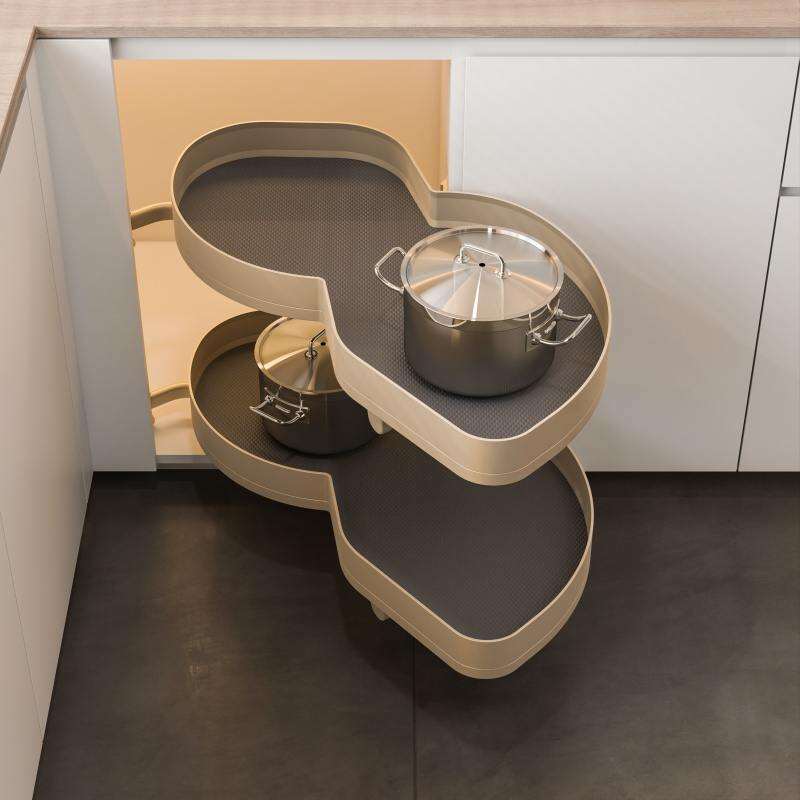


Proper maintenance of your lift basket is crucial for ensuring optimal performance and extending its operational lifespan in both residential and commercial applications. A well-maintained lift basket not only operates more efficiently but also provides enhanced safety for users while reducing the likelihood of costly repairs or replacements. Understanding the fundamental principles of lift basket care enables property managers, facility operators, and homeowners to maximize their investment while maintaining compliance with safety standards.

Regular inspection and maintenance protocols form the backbone of effective lift basket management, preventing minor issues from escalating into major operational disruptions. The complexity of modern lift systems requires systematic approaches to maintenance that address mechanical, electrical, and structural components comprehensively. Industry professionals recognize that proactive maintenance strategies significantly outperform reactive repair approaches in terms of both cost-effectiveness and operational reliability.
Understanding Lift Basket Components
Structural Framework Elements
The structural integrity of a lift basket depends on several critical components that work together to provide safe and reliable vertical transportation. The main framework typically consists of high-grade steel or aluminum construction designed to withstand significant weight loads while maintaining stability during operation. Regular inspection of welds, joints, and connection points helps identify potential stress fractures or metal fatigue that could compromise overall safety.
Load-bearing elements within the lift basket structure require particular attention during maintenance routines, as these components experience the highest stress levels during normal operation. Professional technicians recommend examining all structural members for signs of corrosion, cracking, or unusual wear patterns that might indicate overloading or improper usage. Documentation of structural condition assessments provides valuable historical data for predicting maintenance needs and planning replacement schedules.
Mechanical Operating Systems
The mechanical systems that power lift basket operations involve complex arrangements of motors, gears, cables, and hydraulic components that require specialized maintenance knowledge. Motor assemblies must receive regular lubrication according to manufacturer specifications, while cable systems need periodic tensioning adjustments to maintain proper alignment and prevent premature wear. Understanding the relationship between these mechanical elements enables maintenance personnel to identify interconnected problems that might not be immediately apparent.
Hydraulic systems, when present, demand particularly careful attention to fluid levels, seal integrity, and pressure regulation mechanisms. Contaminated hydraulic fluid can cause extensive damage to pumps, valves, and cylinders, making regular fluid analysis an essential component of comprehensive maintenance programs. The lift basket performance directly correlates with the condition of these mechanical systems, emphasizing the importance of following established maintenance protocols consistently.

Preventive Maintenance Strategies
Daily Inspection Protocols
Implementing daily inspection routines provides the first line of defense against unexpected equipment failures and safety hazards. Operators should visually examine the lift basket for obvious signs of damage, unusual noises, or operational irregularities before beginning each work shift. These preliminary checks help identify developing problems while they remain manageable and cost-effective to address through routine maintenance procedures.
Documentation of daily inspection findings creates valuable maintenance records that enable facility managers to track equipment performance trends over time. Consistent reporting of minor issues, even when they do not immediately impact operations, helps maintenance teams anticipate future repair needs and budget accordingly. Digital maintenance management systems have revolutionized this process by providing real-time access to inspection data and automated scheduling of follow-up maintenance activities.
Scheduled Service Intervals
Establishing appropriate service intervals based on manufacturer recommendations and actual usage patterns ensures that critical maintenance tasks receive adequate attention before problems develop. Weekly lubrication schedules, monthly safety system tests, and quarterly comprehensive inspections form the foundation of effective preventive maintenance programs. These scheduled activities should be adjusted based on environmental conditions, usage intensity, and historical performance data specific to each installation.
Professional maintenance teams often develop customized service schedules that account for local operating conditions and regulatory requirements while maintaining compliance with industry safety standards. The lift basket manufacturer's maintenance guidelines provide essential baseline requirements that can be enhanced through experience and site-specific observations. Advanced scheduling systems help coordinate maintenance activities to minimize operational disruptions while ensuring thorough coverage of all critical components.
Safety System Maintenance
Emergency Stop Mechanisms
Emergency stop systems represent critical safety components that require regular testing and maintenance to ensure reliable operation during emergency situations. These systems typically include multiple activation points, fail-safe circuitry, and backup power supplies that must function flawlessly when needed. Monthly testing protocols should verify proper operation of all emergency stop buttons, automatic safety systems, and manual override controls throughout the lift basket installation.
Professional technicians recommend maintaining detailed records of emergency system tests, including response times, activation forces, and reset procedures to ensure consistency with safety standards. Any deviation from expected performance parameters should trigger immediate investigation and corrective action to maintain the highest levels of operator safety. Regular calibration of safety sensors and limit switches helps prevent false alarms while ensuring reliable protection against hazardous conditions.
Load Capacity Monitoring
Accurate load monitoring systems protect both equipment and operators by preventing dangerous overload conditions that could lead to catastrophic failures. Weight sensors, load cells, and monitoring displays require periodic calibration to maintain accuracy within acceptable tolerances specified by safety regulations. Environmental factors such as temperature fluctuations, moisture, and vibration can affect sensor performance, making regular calibration essential for reliable operation.

Documentation of load capacity tests and calibration results provides important evidence of regulatory compliance while helping maintenance teams identify potential problems with monitoring equipment. Advanced systems may include data logging capabilities that track load patterns over time, enabling facility managers to optimize usage protocols and identify training opportunities for operators. Regular verification of load capacity displays ensures that operators receive accurate information necessary for safe equipment operation.
Troubleshooting Common Issues
Operational Performance Problems
Identifying and resolving operational performance issues requires systematic diagnostic approaches that consider multiple potential causes and their interconnected effects. Slow or erratic movement patterns often indicate problems with motor performance, hydraulic pressure, or control system calibration that can be addressed through targeted maintenance procedures. Environmental factors such as temperature extremes, humidity, or contamination may also contribute to performance degradation, requiring comprehensive evaluation of operating conditions.
Professional troubleshooting techniques involve methodical testing of individual system components to isolate problem sources and determine appropriate corrective actions. Digital diagnostic tools and computerized control systems provide valuable data for analyzing performance trends and identifying subtle problems that might not be apparent through visual inspection alone. Maintaining detailed troubleshooting logs helps technicians recognize recurring issues and develop more effective preventive maintenance strategies.
Electrical System Diagnostics
Electrical system problems in lift basket installations can manifest in various ways, from complete operational failures to subtle performance irregularities that develop gradually over time. Systematic electrical diagnostics begin with verification of power supply quality, including voltage levels, phase balance, and harmonic distortion that could affect motor performance and control system operation. Regular testing of electrical connections, insulation integrity, and grounding systems helps prevent dangerous conditions while maintaining reliable operation.
Modern lift basket systems incorporate sophisticated electronic controls that require specialized diagnostic equipment and training for effective troubleshooting. Programmable logic controllers, variable frequency drives, and digital communication networks demand updated maintenance approaches that combine traditional electrical skills with computer technology expertise. Professional certification programs help maintenance personnel develop the advanced skills necessary for diagnosing and repairing complex electronic systems safely and effectively.
Environmental Considerations
Weather Protection Measures
Outdoor lift basket installations face unique maintenance challenges related to weather exposure that can significantly impact equipment longevity and performance reliability. Moisture protection systems, including drainage provisions and weatherproof enclosures, require regular inspection and maintenance to prevent water infiltration that could damage electrical components or accelerate corrosion of metal structures. Seasonal maintenance schedules should address specific weather-related concerns such as freeze protection, snow removal, and storm damage assessment.
Corrosion prevention strategies become particularly important in harsh environmental conditions where salt air, industrial pollutants, or extreme temperature cycles can accelerate material degradation. Protective coatings, cathodic protection systems, and regular cleaning protocols help extend equipment life while maintaining safe operating conditions. Professional maintenance teams often recommend enhanced inspection frequencies for installations exposed to particularly challenging environmental conditions.
Indoor Air Quality Management
Indoor lift basket installations must consider air quality factors that can affect both equipment performance and operator health during maintenance activities. Dust accumulation, chemical vapors, and inadequate ventilation can create maintenance challenges that require specialized cleaning procedures and personal protective equipment protocols. Regular cleaning of electrical components, ventilation systems, and work platforms helps maintain safe working conditions while preventing contamination-related equipment failures.
Advanced filtration systems and environmental monitoring equipment help maintain optimal operating conditions while protecting sensitive electronic components from airborne contaminants. Maintenance schedules should include regular filter replacement, air quality testing, and ventilation system inspection to ensure compliance with occupational health standards. Professional maintenance contracts often include environmental monitoring services that provide objective assessment of indoor air quality conditions affecting equipment performance.
Professional Service Requirements
Certified Technician Qualifications
Professional lift basket maintenance requires technicians with specialized training, certification, and experience in vertical transportation systems to ensure safe and effective service delivery. Industry certification programs provide standardized training in safety procedures, technical diagnostics, and regulatory compliance requirements that are essential for maintaining complex lift systems. Regular continuing education helps technicians stay current with evolving technology and changing safety standards that affect maintenance procedures.
Qualified maintenance providers should demonstrate current certifications, insurance coverage, and documented experience with similar equipment installations to ensure competent service delivery. Professional associations and manufacturer training programs offer valuable resources for verifying technician qualifications and staying informed about industry best practices. Establishing relationships with certified service providers before maintenance needs become critical helps ensure prompt response times and quality service delivery when problems arise.
Warranty and Compliance Considerations
Maintaining warranty coverage and regulatory compliance requires careful attention to manufacturer specifications and local safety codes that govern lift basket installations and maintenance procedures. Professional service documentation, genuine replacement parts, and adherence to recommended maintenance schedules are typically required to maintain warranty protection while ensuring compliance with applicable regulations. Regular review of warranty terms and regulatory updates helps facility managers make informed decisions about maintenance strategies and service provider selection.
Insurance requirements and liability considerations also influence maintenance decision-making, particularly regarding the use of certified technicians and documented compliance with industry standards. Professional maintenance contracts often include compliance monitoring services that help ensure ongoing adherence to evolving regulations while maintaining insurance coverage validity. Understanding the relationship between maintenance practices and legal obligations helps facility managers develop comprehensive risk management strategies.
FAQ
How often should lift basket maintenance be performed
The frequency of lift basket maintenance depends on several factors including usage intensity, environmental conditions, and manufacturer recommendations. Most installations require daily visual inspections, weekly lubrication tasks, monthly safety system tests, and quarterly comprehensive inspections by certified technicians. High-usage commercial applications may require more frequent service intervals, while residential installations might follow extended schedules based on actual usage patterns and environmental exposure.
What are the most common signs that indicate maintenance needs
Common indicators of maintenance needs include unusual noises during operation, irregular movement patterns, increased vibration levels, and visible wear on mechanical components. Electrical problems may manifest as intermittent operation, error messages on control displays, or complete system failures. Environmental factors such as corrosion, contamination, or weather damage should also trigger maintenance evaluation to prevent more serious problems from developing.
Can facility staff perform basic maintenance tasks independently
While facility staff can perform certain basic maintenance tasks such as visual inspections, cleaning, and minor lubrication procedures, most technical maintenance should be performed by certified professionals. Safety system testing, electrical work, and structural inspections require specialized training and equipment to ensure proper execution and regulatory compliance. Facility staff should receive appropriate training on daily inspection procedures and emergency response protocols while leaving complex maintenance to qualified technicians.
What documentation is required for proper maintenance records
Comprehensive maintenance documentation should include daily inspection logs, scheduled service records, repair histories, and safety test results with dates, technician signatures, and detailed findings. Photographic documentation of problem areas and before-and-after repair conditions provides valuable reference material for future maintenance decisions. Digital maintenance management systems offer efficient methods for organizing and accessing maintenance records while ensuring compliance with regulatory reporting requirements and warranty documentation needs.