 EN
EN


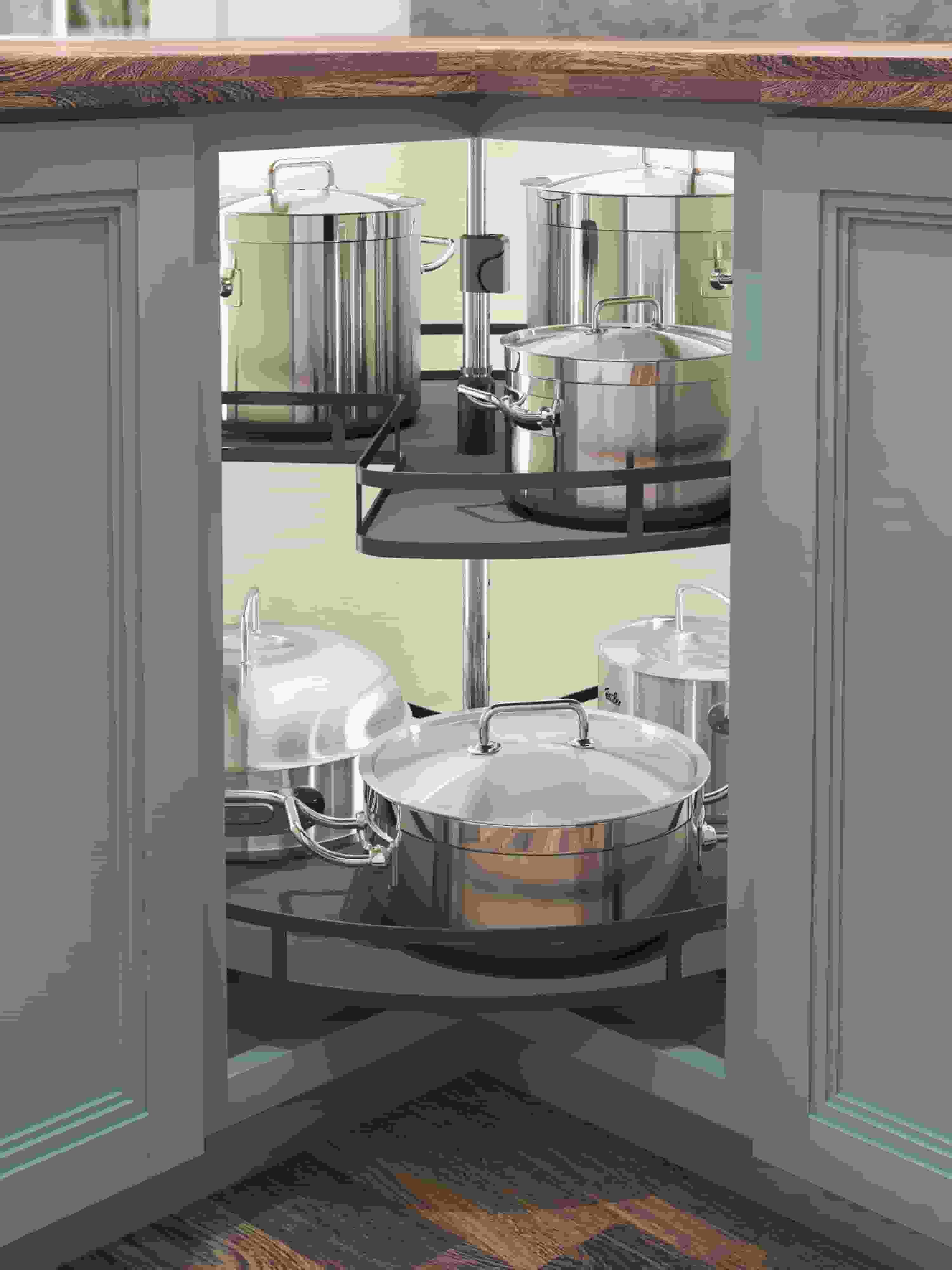
A lazy susan corner cabinet is one of the most practical yet frequently misused storage spaces in any kitchen. The rotating shelf design promises effortless access to every item, but without a smart organizational system in place, it quickly becomes a cluttered, frustrating black hole of forgotten cans and tangled gadgets. Learning how to properly organize a lazy susan transforms this challenging cabinet into one of the most efficient zones in your entire kitchen.
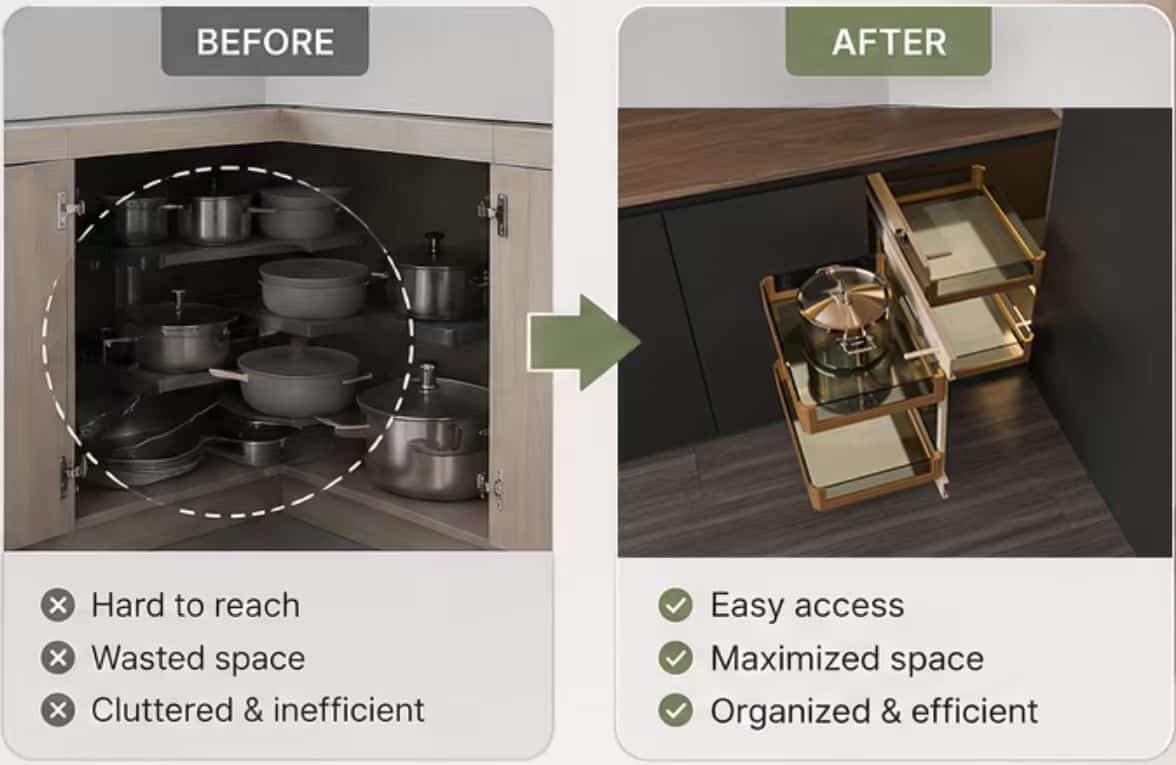
Whether you are dealing with a full-circle lazy susan, a half-moon design, or a D-shaped rotating tray, the core challenge remains the same: making the most of a curved, rotating space. The good news is that a lazy susan responds extremely well to thoughtful categorization, the right containers, and a consistent placement strategy. This guide walks through the smartest approaches to organizing your lazy susan corner cabinet so every rotation brings exactly what you need within immediate reach.
Understanding Your Lazy Susan Layout
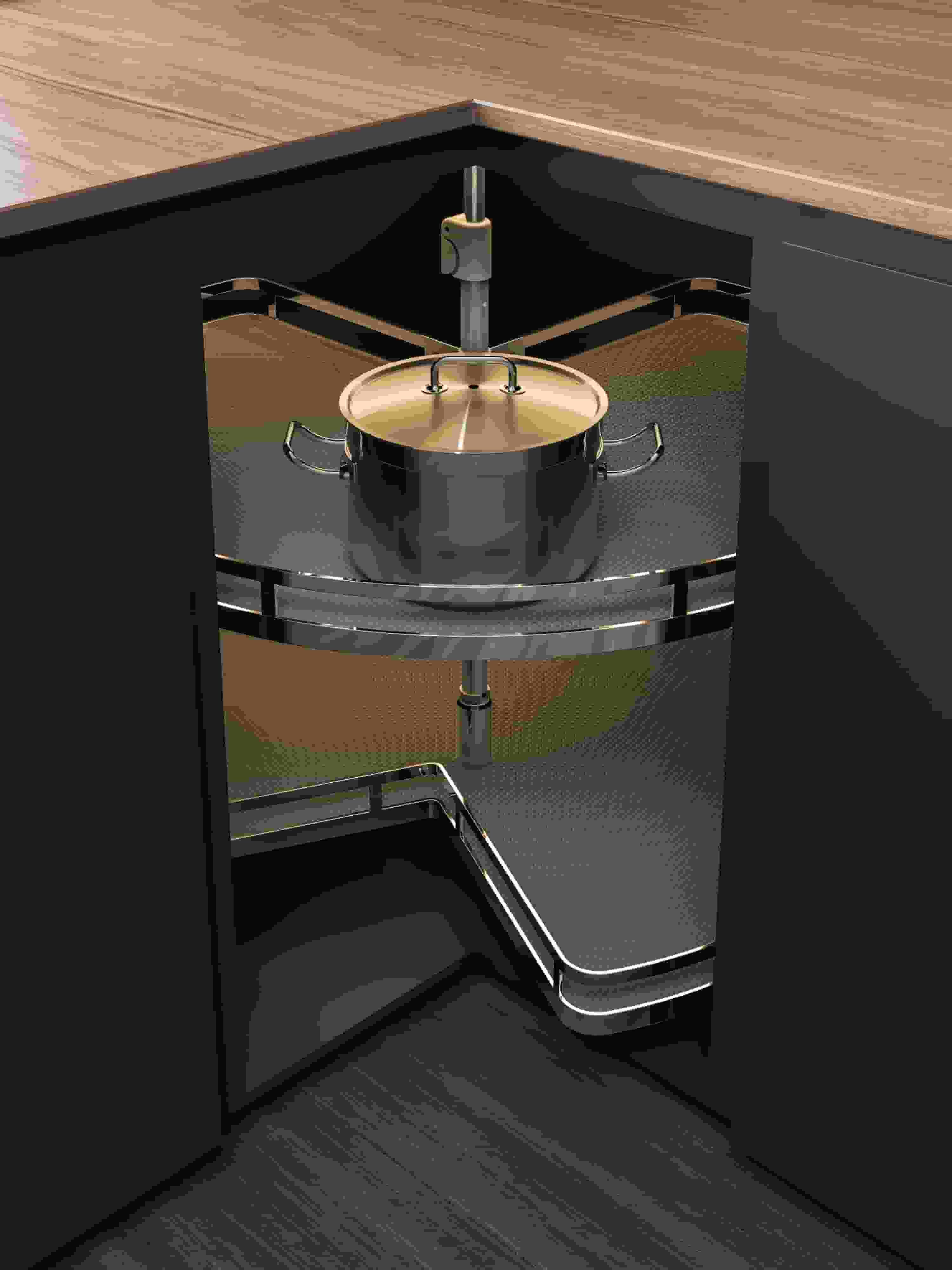
Types of Lazy Susan Designs
Before organizing your lazy susan, it helps to understand which style you are working with. The full-circle lazy susan features two complete round shelves stacked vertically, offering the most surface area of any design. The half-moon or kidney-shaped lazy susan swings out as the door opens, exposing a curved storage face. The D-shaped lazy susan sits flat against the cabinet back and rotates freely. Each lazy susan type responds to slightly different organizational strategies, but all benefit from the same guiding principles: group by category, keep items visible, and avoid stacking heavy items that block rotation.
Measuring Capacity Before You Organize
A lazy susan shelf has a finite surface area, and overloading it is one of the most common mistakes people make. Before placing anything back into your lazy susan, measure the diameter of each shelf tier. This helps you select containers, bins, and organizers that actually fit without hanging over edges and catching on the cabinet frame. A well-fitted lazy susan organizer set keeps items contained during rotation and prevents the frustrating avalanche effect where one spin sends everything toppling. Taking five minutes to measure your lazy susan accurately saves considerable reorganization effort later.
Smart Categorization for a Lazy Susan
Assigning Zones to Your Lazy Susan Shelves
The most effective lazy susan organization method treats each shelf tier as a dedicated zone. For a two-tier lazy susan, a practical approach is to reserve the upper tier for frequently used items such as oils, vinegars, spices, and cooking staples. The lower tier of your lazy susan works well for bulkier items like canned goods, boxed mixes, or small appliances used occasionally. Keeping zones consistent means you develop muscle memory for your lazy susan layout, grabbing items without needing to spin through every level searching. Zone-based organization also makes it easier to notice when supplies are running low.
Grouping Items by Use Frequency on Your Lazy Susan
On any lazy susan, place the most-used items at the front of the shelf closest to the cabinet opening. Items you reach for daily on your lazy susan should never require more than a single half-rotation to access. Reserve the back arc of the lazy susan shelf for occasional-use items. This frequency-based placement system works especially well in a busy kitchen where speed matters. It also reduces wear on your lazy susan mechanism, since shorter rotations put less stress on the bearing or pivot point compared to constant full spins.
Containers and Accessories That Maximize a Lazy Susan
Choosing the Right Bins for Your Lazy Susan
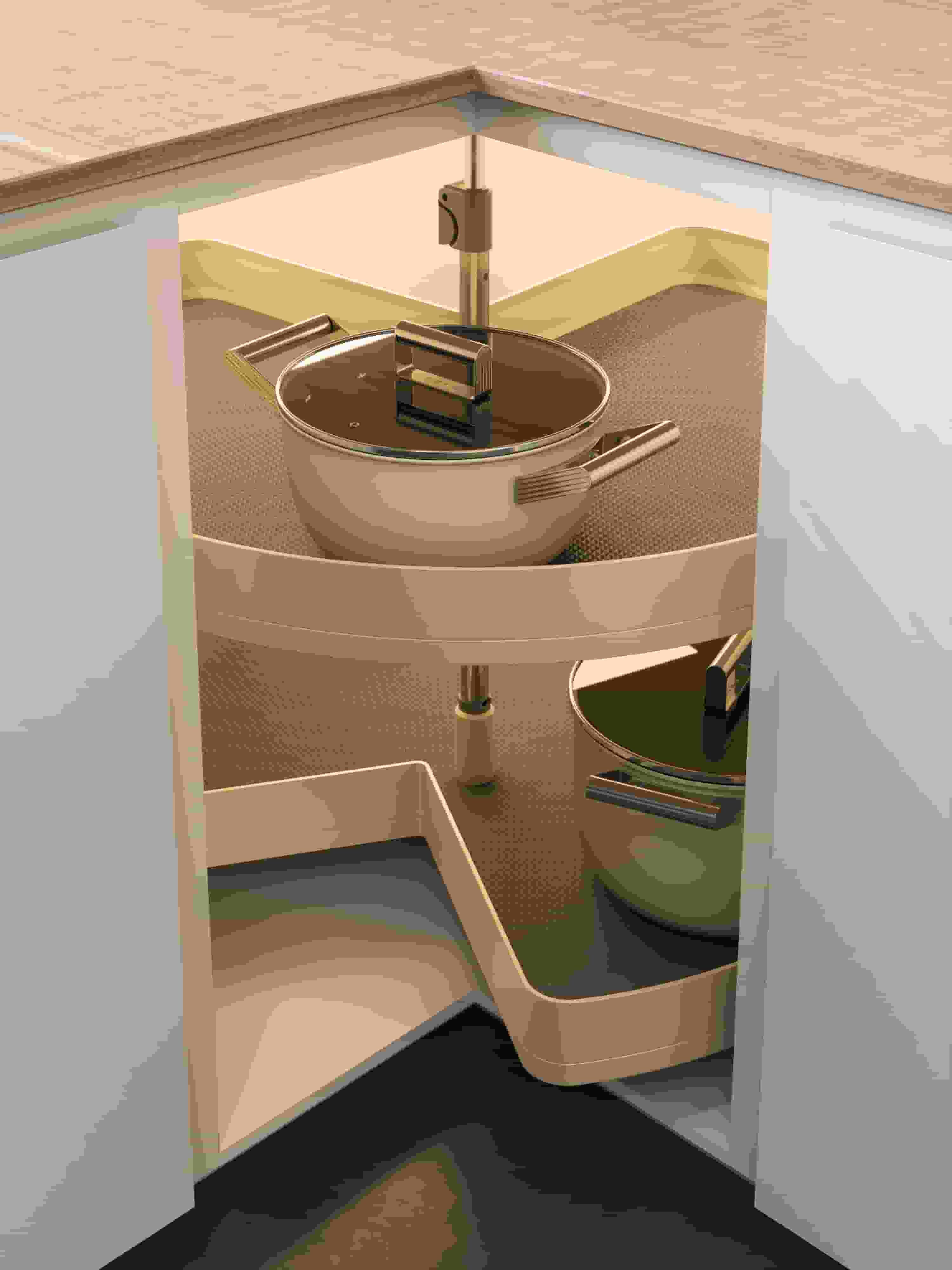
Standard square or rectangular bins do not fit a lazy susan shelf well because curved edges create wasted gaps. Instead, choose wedge-shaped, pie-cut, or arc-designed containers specifically built to match the curve of a lazy susan. These specialty bins align tightly with the circular shelf, eliminating dead space. Transparent containers are especially useful on a lazy susan because they allow you to identify contents at a glance without rotating the shelf. When every container on your lazy susan is clearly visible, restocking and retrieval become nearly automatic. Stackable bins that fit the lazy susan radius also double vertical storage capacity within each tier.
Using Turntable Inserts and Riser Shelves
Even within an existing lazy susan cabinet, adding a small secondary turntable on top of one shelf tier creates a two-layer lazy susan effect. A riser insert elevates one section of the lazy susan shelf, allowing shorter items like spice jars to sit beneath taller bottles above. This layered approach ensures that every item on your lazy susan remains visible and accessible. Riser shelves prevent the common problem of small lazy susan items being hidden behind taller ones. Together, turntable inserts and riser shelves represent the highest-value accessories you can add to any lazy susan cabinet without major installation work.
Preventing Spills and Slide-Outs on a Lazy Susan
One underappreciated aspect of lazy susan organization is preventing items from sliding during rotation. Lining your lazy susan shelves with non-slip cabinet liner material dramatically reduces movement. Cut the liner to match the circular shape of your lazy susan shelf for a clean, professional finish. This simple step keeps containers, bottles, and jars stationary as the lazy susan spins, reducing noise and preventing accidents. For deeper lazy susan tiers, adding a low front lip or a containment rail keeps taller items from tumbling forward when the door is opened. Non-slip liners are an inexpensive but highly effective upgrade for any lazy susan.
FAQ
What items work best inside a lazy susan corner cabinet?
A lazy susan corner cabinet works best for items used regularly in meal preparation, such as cooking oils, vinegars, spices, canned goods, and dry baking supplies. The rotating design of a lazy susan makes it easy to access rounded containers and bottles that would otherwise get pushed to the back of a standard shelf. Avoid storing very heavy items like cast iron cookware on a lazy susan shelf, as excessive weight can strain the rotation mechanism over time.
How do I stop items from falling off my lazy susan shelf?
The most reliable way to stop items from sliding off a lazy susan is to line each shelf tier with non-slip liner material cut to fit the circular surface. Using curved or wedge-shaped bins designed specifically for a lazy susan also keeps items grouped and contained during rotation. For taller bottles on your lazy susan, a containment rail or front lip prevents forward sliding when the cabinet door swings open. Consistent placement habits further reduce movement, since knowing exactly where each item belongs means less repositioning after every lazy susan rotation.
How often should I reorganize my lazy susan cabinet?
A well-organized lazy susan typically needs a full reorganization every three to six months, aligned with seasonal ingredient changes or pantry restocking cycles. However, a quick maintenance pass of your lazy susan every few weeks, where you rotate items to the front and remove expired goods, keeps the system working smoothly between major reorganizations. The key to a long-lasting lazy susan organization system is returning every item to its assigned zone after each use. Consistent habits reduce the frequency of deep cleans and keep your lazy susan performing efficiently every single day.