Ergonomic Design and User-Friendly Operation
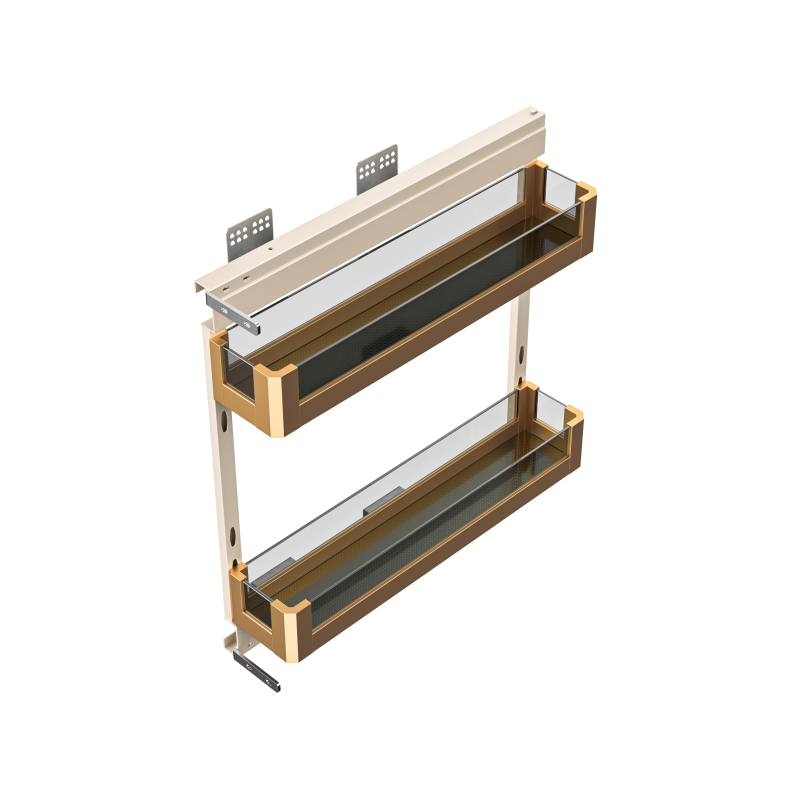
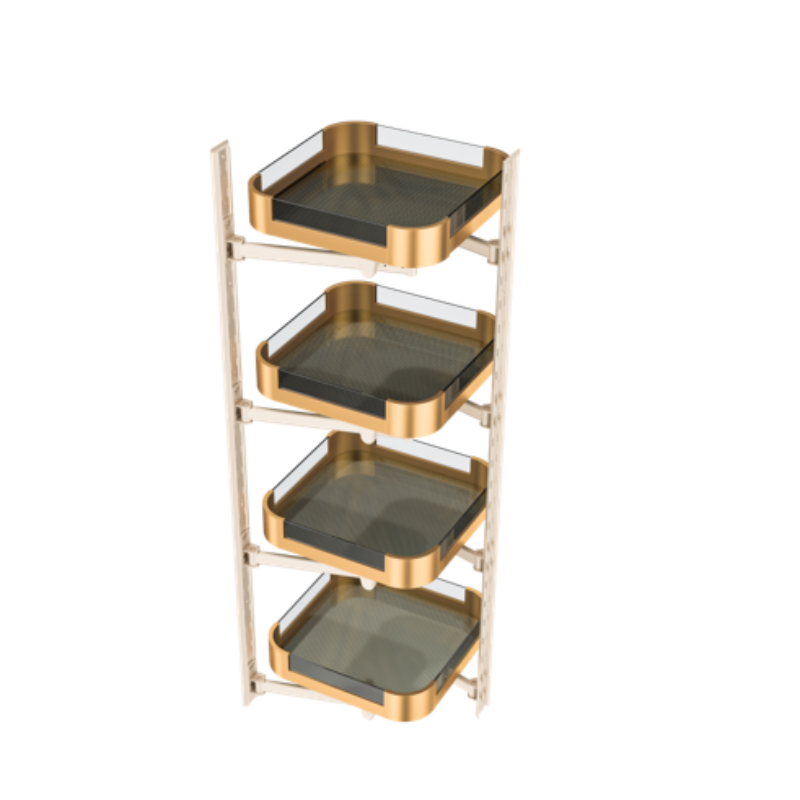
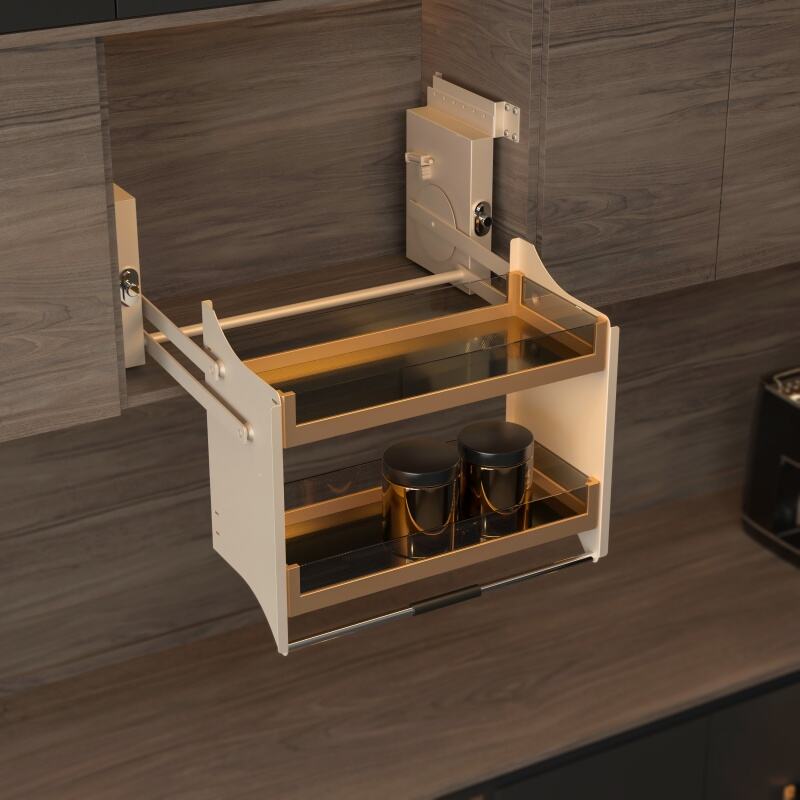
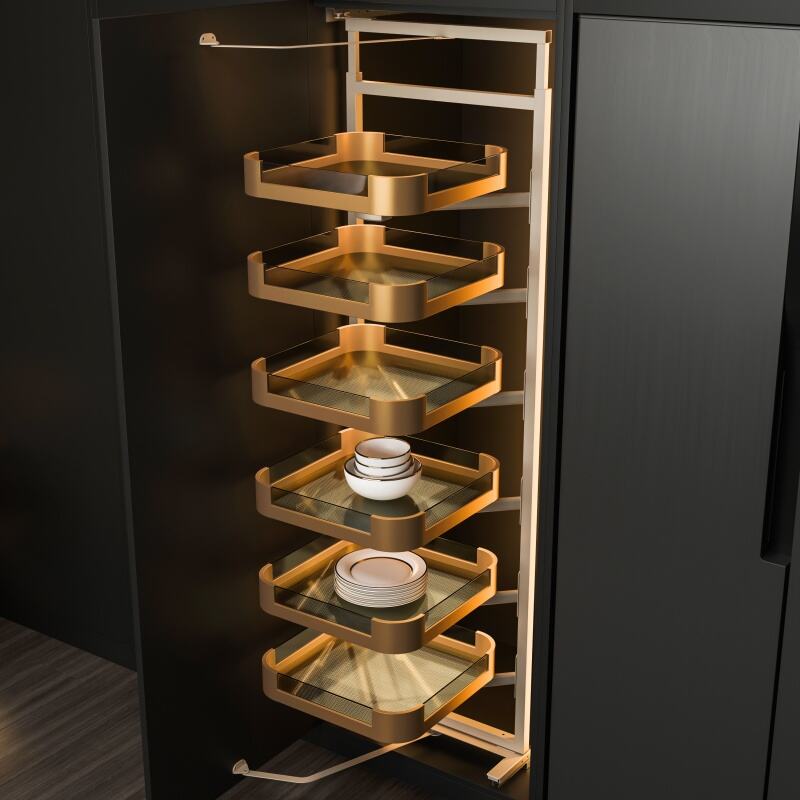
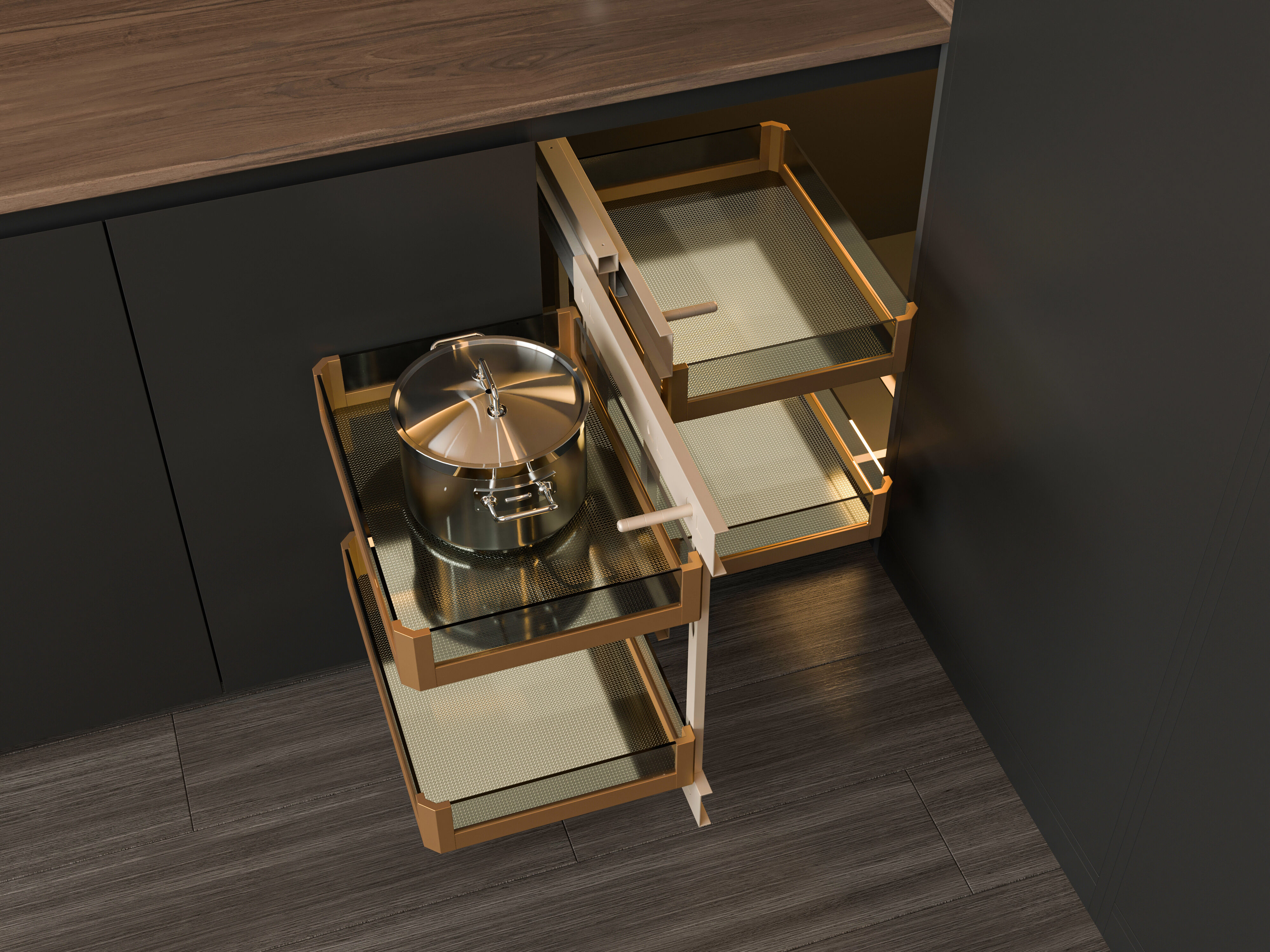
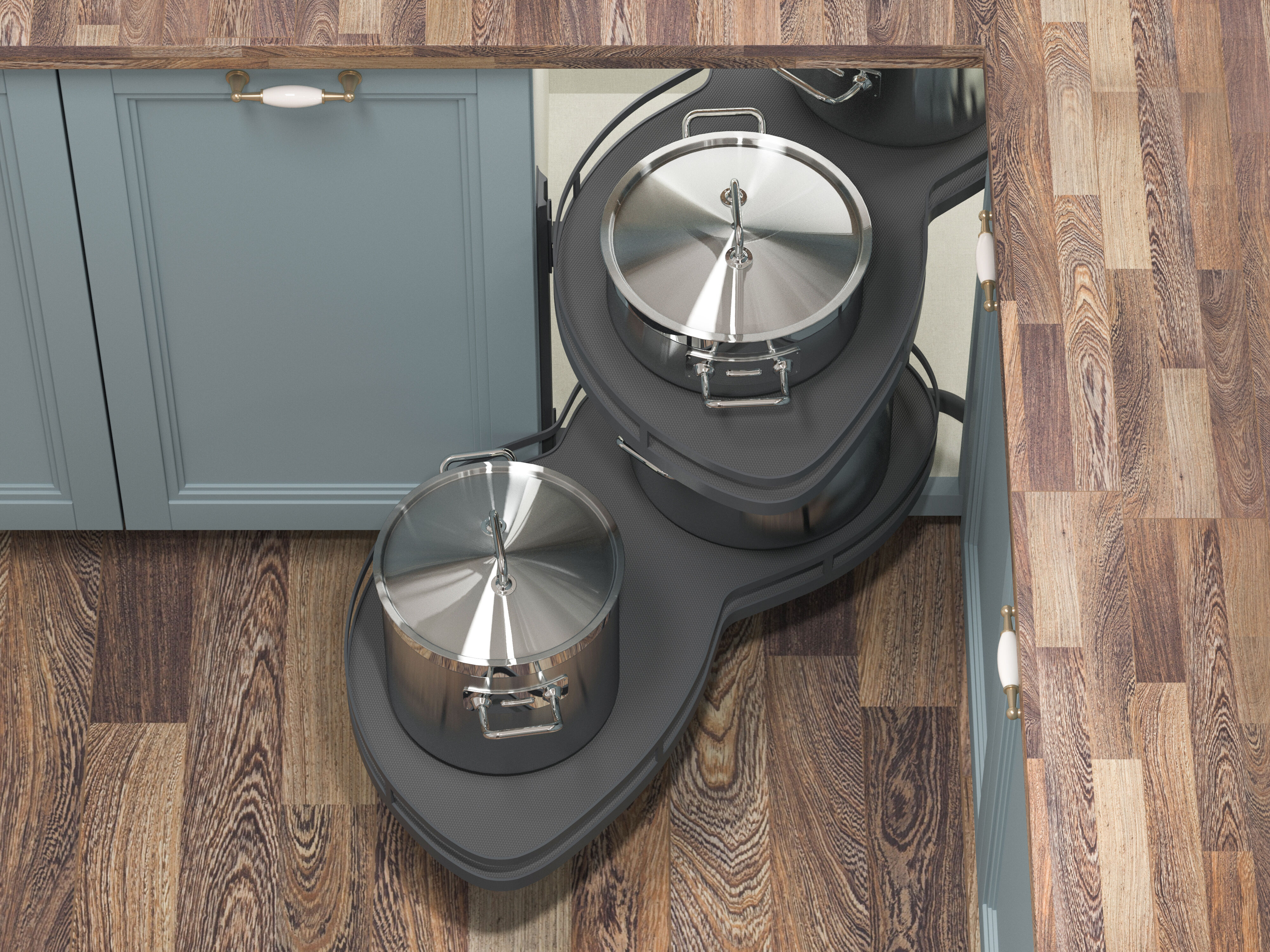
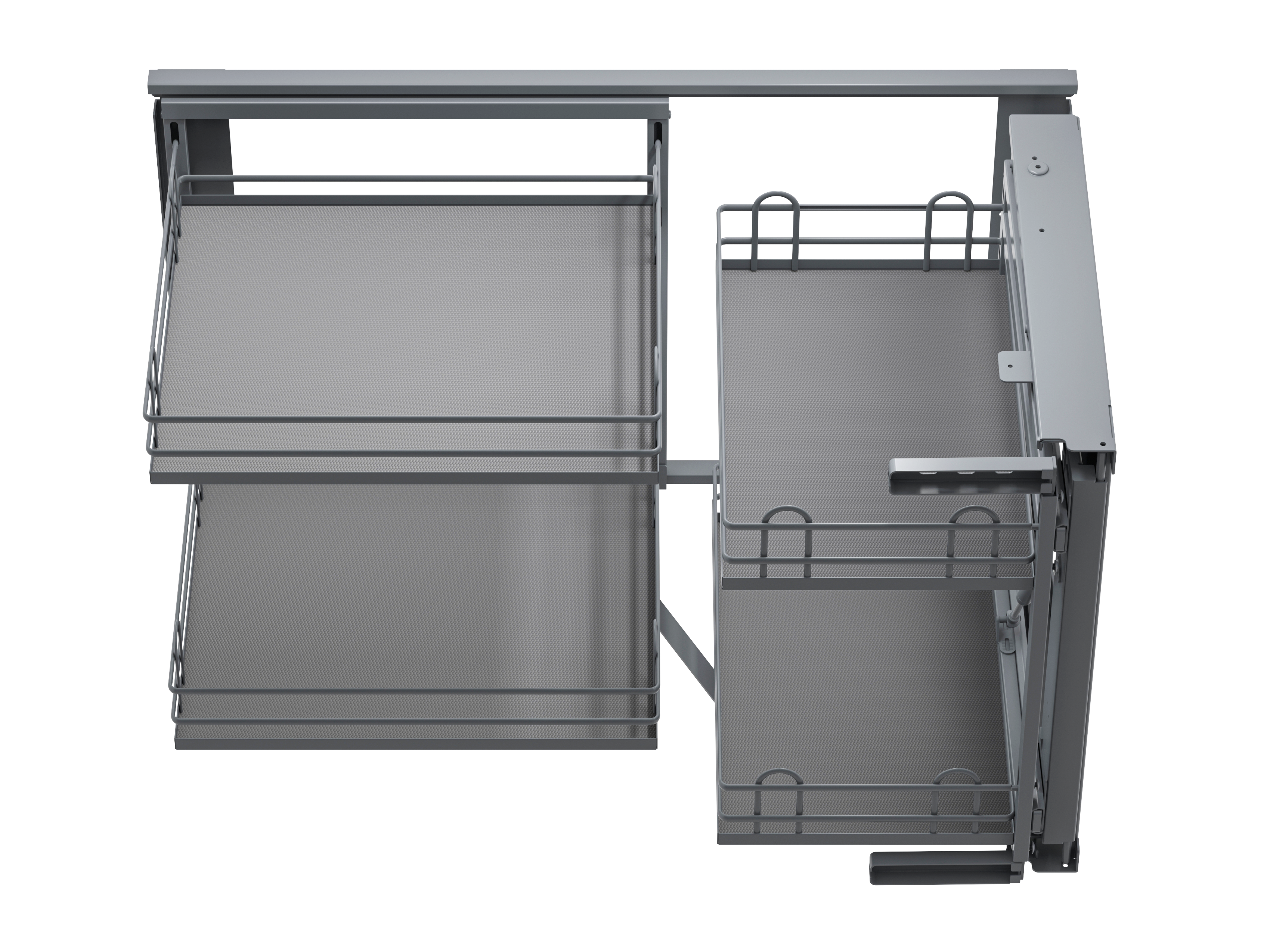
The magic corner for modular kitchen prioritizes ergonomic excellence through thoughtful design features that promote comfortable, strain-free interaction with corner cabinet storage throughout daily kitchen activities. The system eliminates the need for users to bend, stretch, or contort themselves to reach items stored in deep corner spaces, significantly reducing physical stress and promoting better posture during kitchen tasks. This ergonomic advantage proves particularly beneficial for elderly users, individuals with mobility limitations, or anyone dealing with back problems, making the kitchen more accessible and comfortable for extended use. The pull-out mechanism brings stored items directly to the user at an optimal height and angle, eliminating awkward reaching motions that can lead to strain or injury over time. The smooth operation requires minimal physical effort, allowing users to access fully loaded storage compartments with gentle pulling motions rather than forceful manipulation. The magic corner system often incorporates adjustable shelving or basket configurations that accommodate users of different heights and physical capabilities, ensuring comfortable access for all household members. The intuitive operation requires no learning curve or special techniques, making the system immediately functional for new users and guests. Safety features built into quality magic corner designs include rounded edges, smooth surfaces, and secure locking mechanisms that prevent accidental cabinet opening or storage unit displacement during operation. The ergonomic benefits extend to loading and unloading activities, as the pull-out design provides clear visibility and easy access to all storage areas, reducing the likelihood of items being forgotten or misplaced in deep cabinet recesses. The magic corner for modular kitchen supports efficient kitchen workflows by positioning frequently used items in easily accessible locations while maintaining organized storage for less common items. This thoughtful organization reduces repetitive motions and promotes more efficient meal preparation processes that minimize physical fatigue during extended cooking sessions.
 EN
EN